3D Printing Guides, Custom Figurines
Realistic Figurines From Photos: What Makes a Likeness Read Clearly
Learn how realistic figurines from photos read clearly at miniature scale, from reference angles and lighting to hair, clothing, pose, paint, and display distance.
Published July 17, 2026
Table of Contents

Realistic Figurines From Photos: What Makes a Likeness Read Clearly
Realistic figurines are not judged by detail alone. At miniature scale, a likeness reads clearly when a few strong visual signals work together: the face, hair outline, outfit, pose, and overall proportions. The goal is not a guaranteed photorealistic copy. It is a figure that feels recognizably like the person in the reference when you see it on a shelf or desk.
This guide focuses on the decisions that make that impression stronger—from the photos you send to the details worth reviewing before a custom piece is made.
What “realistic” can mean at miniature scale
Realistic does not mean every pore or tiny wrinkle can be reproduced. A small sculpt has limited visual space, so the most useful realism is selective. The face may be simplified while the hairstyle, jawline, glasses, clothing layers, stance, and color pattern carry recognition. Think of realism as a hierarchy: preserve the details people notice first, then use paint and finish to support them.
This is also why two people can look at the same figure and notice different things. Someone who knows the subject may recognize a familiar posture or jacket immediately, while a casual viewer may respond first to the silhouette and hair.
Start with strong face references
A clear face reference gives the artist more to work with than a heavily filtered selfie. Choose a sharp, well-lit photo where the eyes, nose, mouth, cheeks, and jaw are visible. If the main image is a full-body shot, add a closer face reference so facial structure is not being inferred from a distant crop.
- Use a front view to show overall facial balance.
- Add a three-quarter view to explain cheekbones, nose projection, and jaw shape.
- Include a profile when the nose, chin, or hairstyle is an important feature.
- Avoid sunglasses, hands across the face, extreme expressions, and strong filters in the key reference.
Multiple angles do not make a likeness automatic, but they reduce guesswork. They help distinguish a feature that belongs to the person from one created by a single camera angle.
Why lighting and lens distortion matter
Lighting changes the shape a viewer thinks they see. Hard overhead light can deepen eye sockets and hide the underside of the nose; a bright window behind the subject can flatten the face into a silhouette. Use even, soft light when possible, and check that the reference is not blurry or compressed.
Phone cameras can also exaggerate whatever is closest to the lens. A very close selfie may make the nose appear larger and the sides of the face narrower. For a more dependable reference, step back slightly, keep the camera near eye level, and avoid an extreme wide-angle view. The point is not to make the person look posed—it is to give the sculpt a less distorted starting point.
Hair silhouette is a high-value likeness cue
At display distance, viewers often read the outline of the head before they notice small facial details. Hair length, parting, volume, curls, fringe, a bun, or a shaved side can all change that outline. Send at least one view that shows the hair shape clearly, especially from the side or back if the hairstyle is distinctive.
Describe what matters rather than asking for “every strand.” The useful notes might be “short textured hair with a side part,” “shoulder-length curls,” or “long hair gathered into a low ponytail.” These broader cues survive miniature scale better than a list of tiny strands.
Use outfit and color as visual shorthand
Clothing helps a figure read as a particular person because it adds context to the body. A recognizable coat, work uniform, dress shape, hat, scarf, shoes, or color combination may matter more than a small printed logo. Send a full-body photo when possible, plus a close reference for patterns or accessories that genuinely define the outfit.
Prioritize:
- the main garment shape and how it hangs on the body;
- layers such as a jacket over a shirt or a dress with a cardigan;
- signature colors and large, readable patterns;
- important accessories, footwear, or a simple prop.
Keep text and tiny marks realistic in your expectations. At a small scale, the overall design language is usually more legible than fine lettering.
Pose and proportion can make the likeness click
A face can be well represented and still feel wrong if the pose is generic. Consider the way the person normally stands: relaxed shoulders, one knee bent, hands in pockets, a sports stance, a wave, or a favorite activity. A natural pose gives the figure personality and can become one of its strongest recognition cues.
Proportion matters too. A life-like figure generally benefits from a believable relationship between head, torso, arms, legs, and shoes. That does not require an anatomical measurement or a guaranteed tolerance. It means deciding whether the intended result should feel true-to-life, slightly stylized, or intentionally character-like, then keeping that choice consistent across the sculpt.
Paint and finish should support the sculpt
Paint is most effective when it clarifies form rather than trying to rescue unclear references. Natural separation between hair and skin, readable clothing colors, restrained facial color, and a finish suited to the subject can help the eye follow the figure. A matte or lightly reflective surface may also make shapes easier to read under ordinary room lighting than a distracting high shine.
When reviewing a preview or discussing a quote, look at the big read first: face direction, hair outline, outfit blocks, pose, and proportions. Then check secondary details such as glasses, jewelry, buttons, or a prop. This order keeps a tiny accessory from receiving more attention than the features that carry the likeness.
Review it from the distance where it will live
Zoomed-in images are useful for checking finish, but they can make a miniature seem more detailed than it will appear in daily use. Also review the figure at its planned display distance. Does the silhouette still resemble the reference? Are the face and hair readable? Do the clothing colors separate clearly? Is the pose recognizable without a close-up?
Ask for a review that lets you assess the whole figure, not only a cropped face. If something feels off, describe the dominant issue specifically—such as “the hair should have more volume at the sides” or “the shoulders look too square”—instead of requesting a vague “more realistic” result.
A practical checklist before ordering
- Choose one sharp primary photo and add front, three-quarter, or profile references where useful.
- Note the hairstyle silhouette, distinctive outfit cues, pose, and any meaningful prop.
- Explain whether you prefer true-to-life proportions or a deliberately stylized interpretation.
- Ask the maker to confirm which details are clear enough to guide the sculpt.
- Review the full figure at normal display distance before focusing on tiny finish details.
A photo-based option for a realistic style
GetFigmo’s Custom 3D Printed Figurine From Your Photo is a relevant starting point when you want a full-body figure guided by personal references. Its live product description says the process can capture recognizable face, hairstyle, clothing, shoes, pose, and personal style, with a broad range that includes realistic and other interpretations. Share the references and describe which cues should carry the likeness so the style and priorities are clear before quoting.
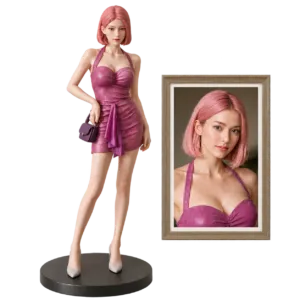
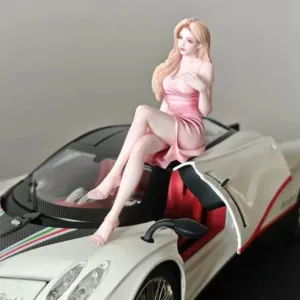
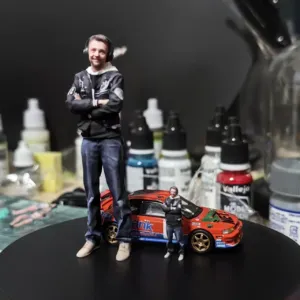
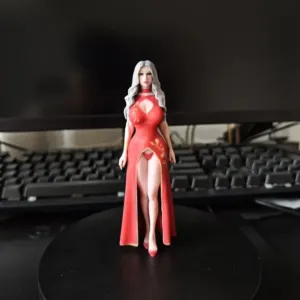
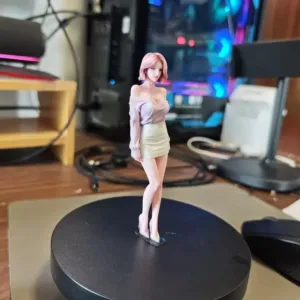
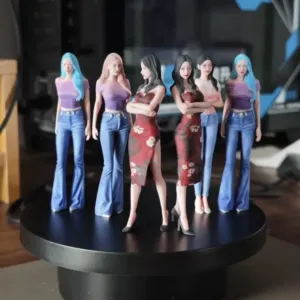
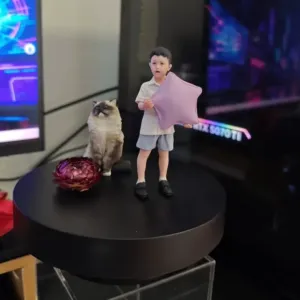
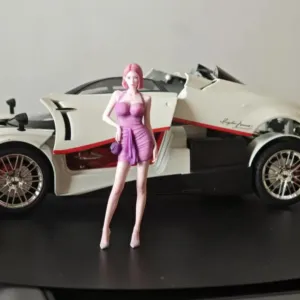
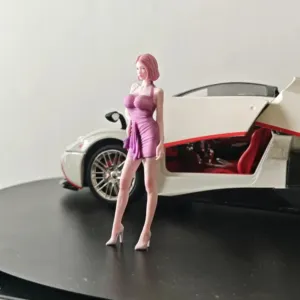
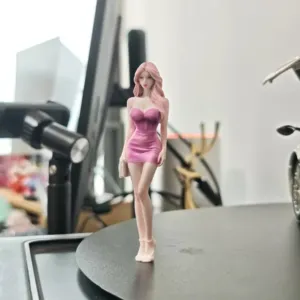
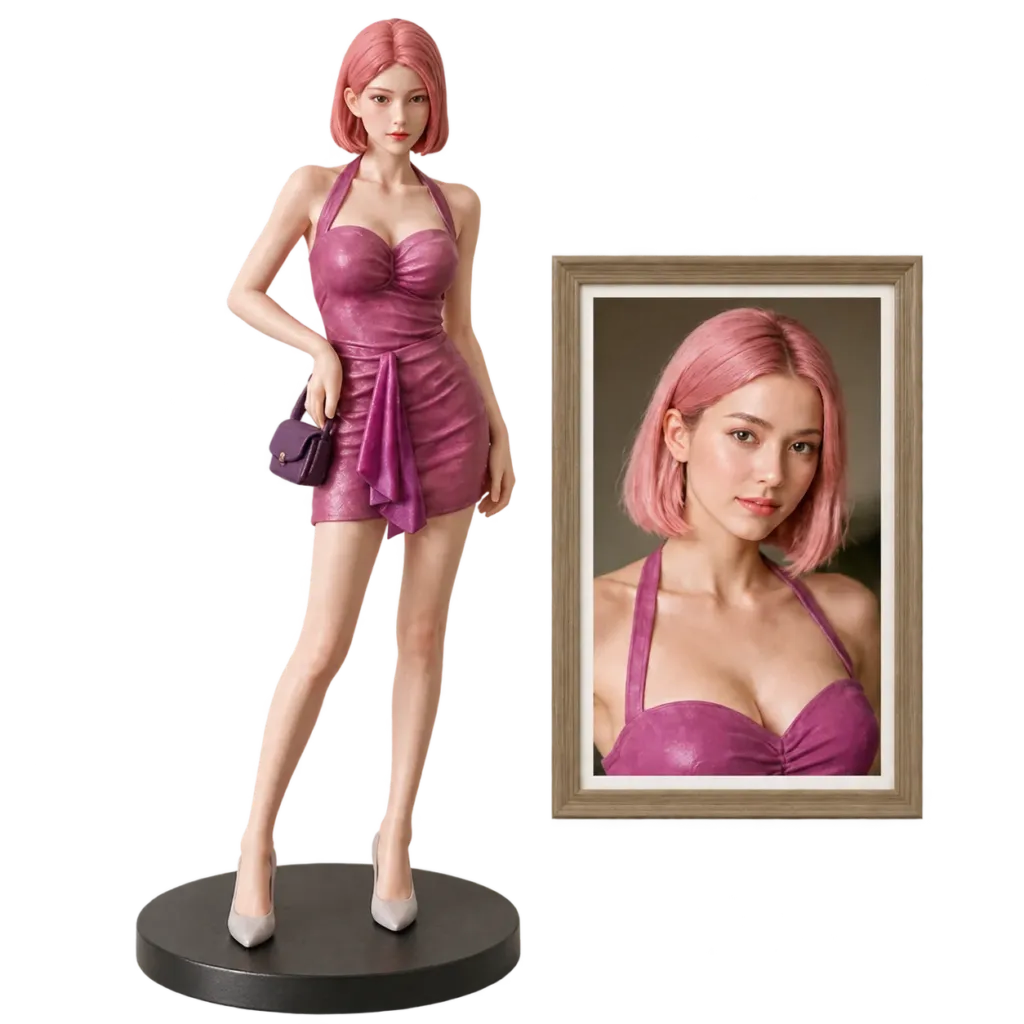
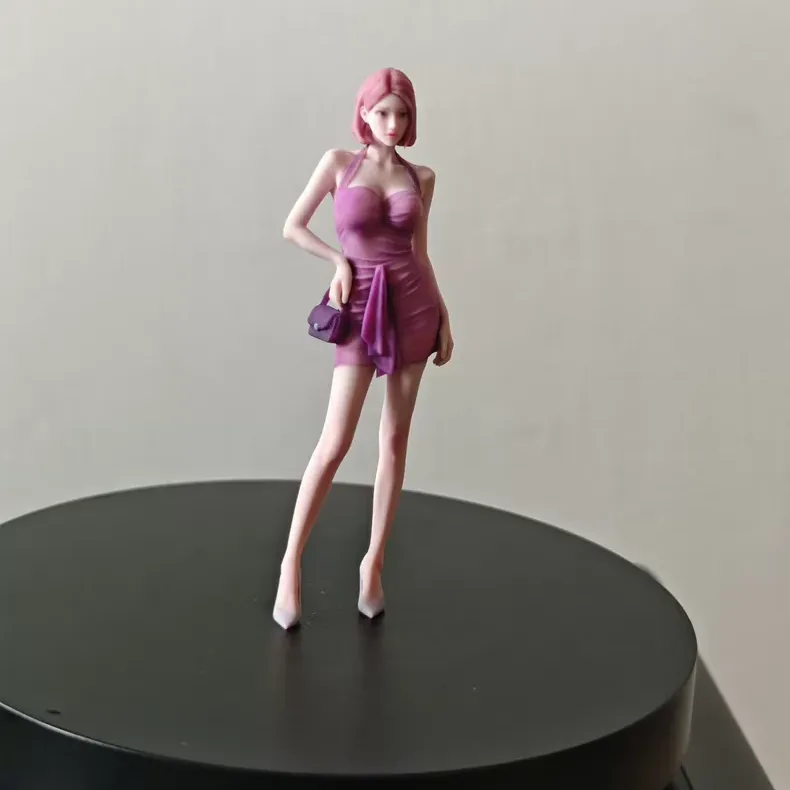
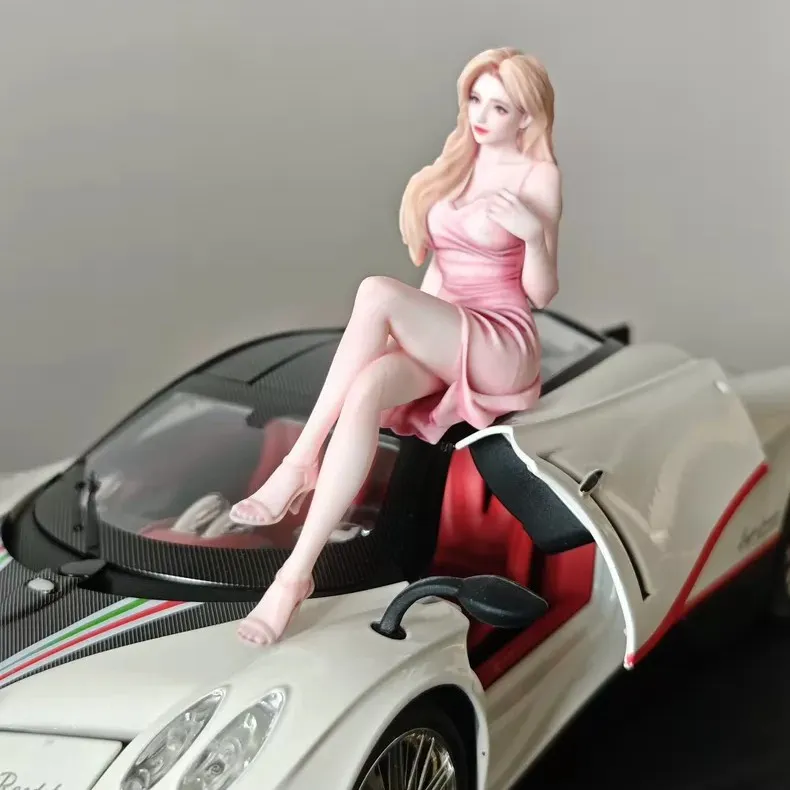
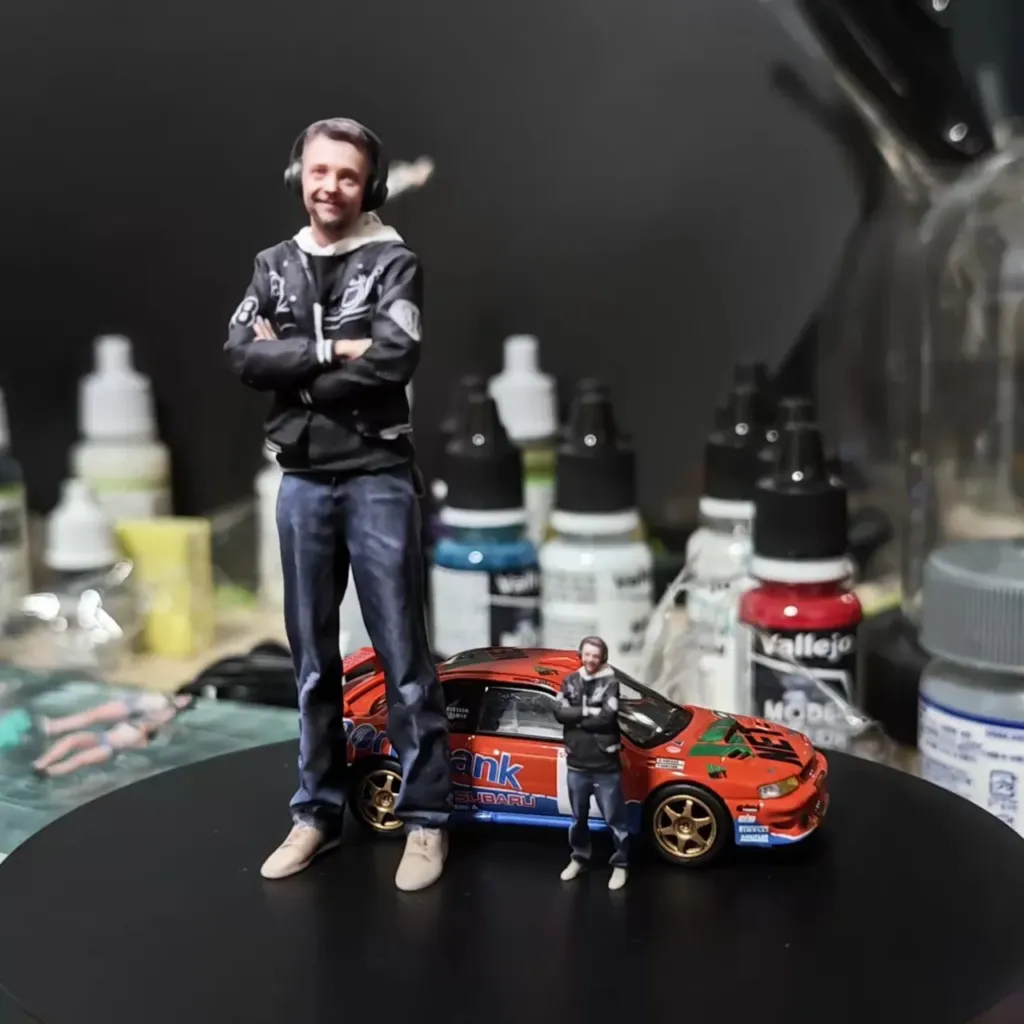
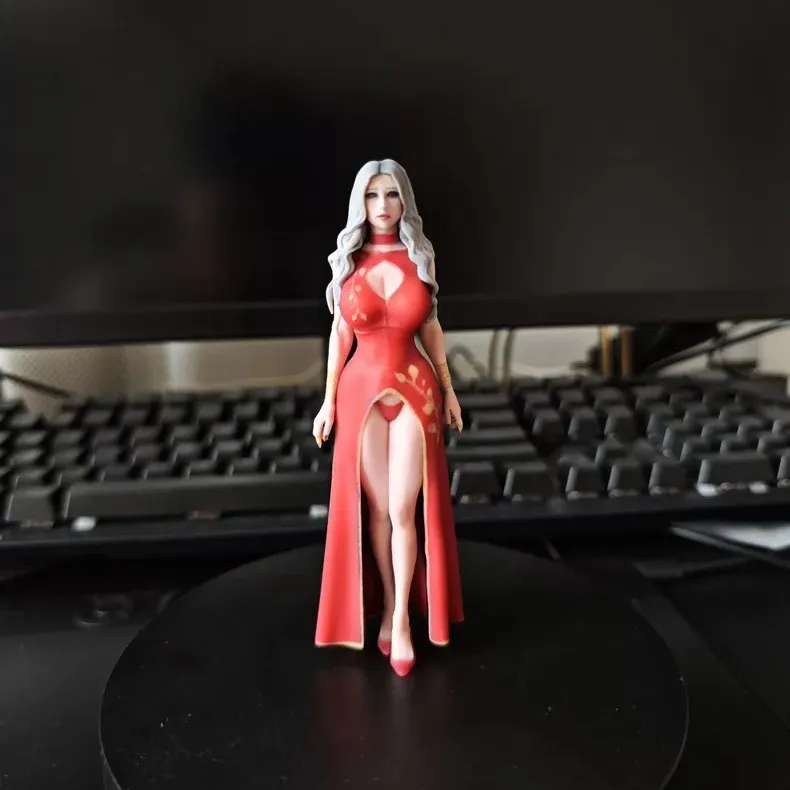
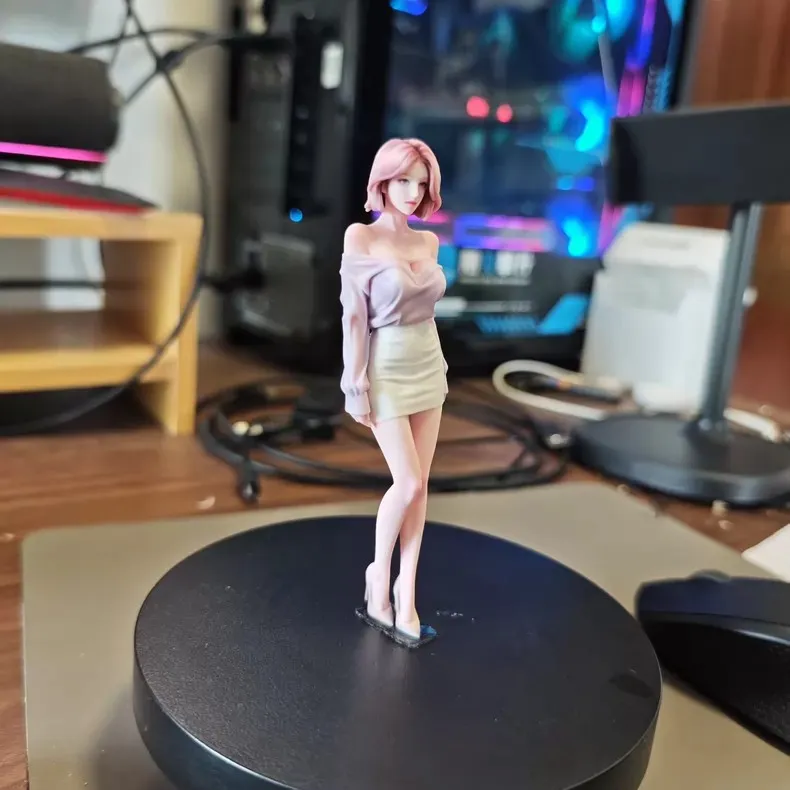
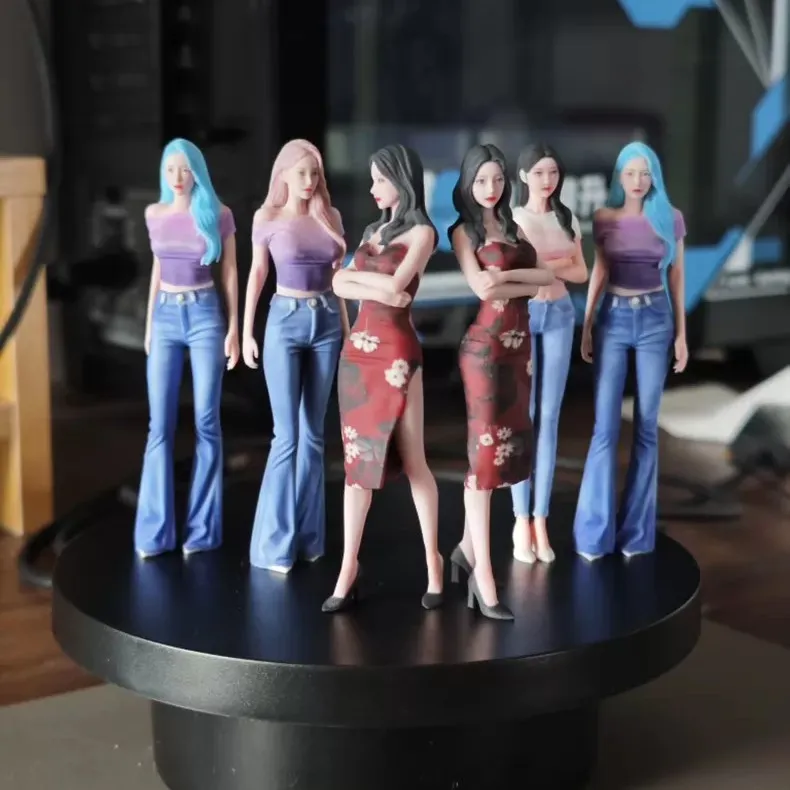
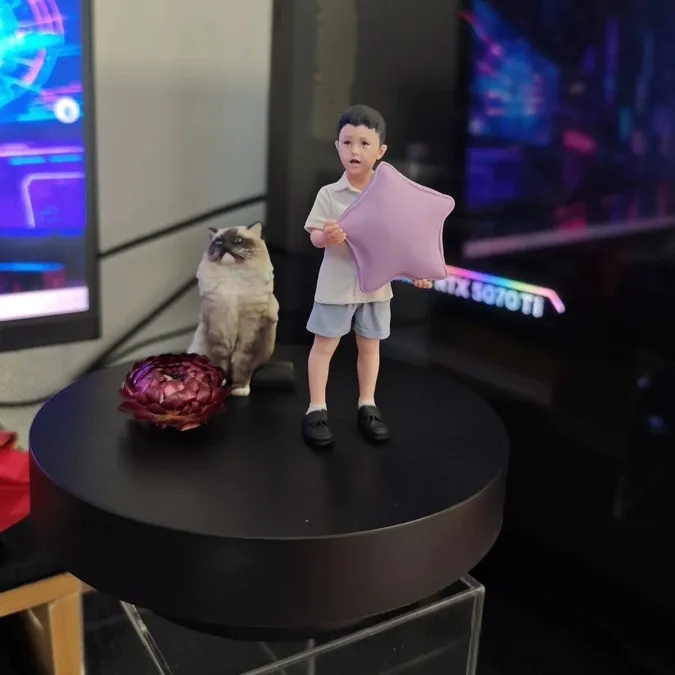
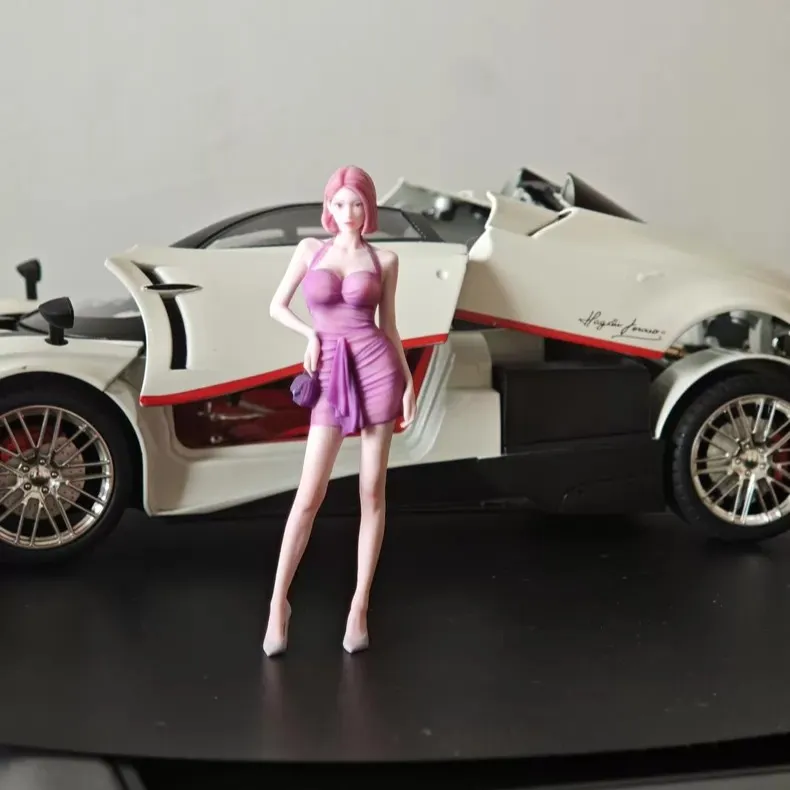
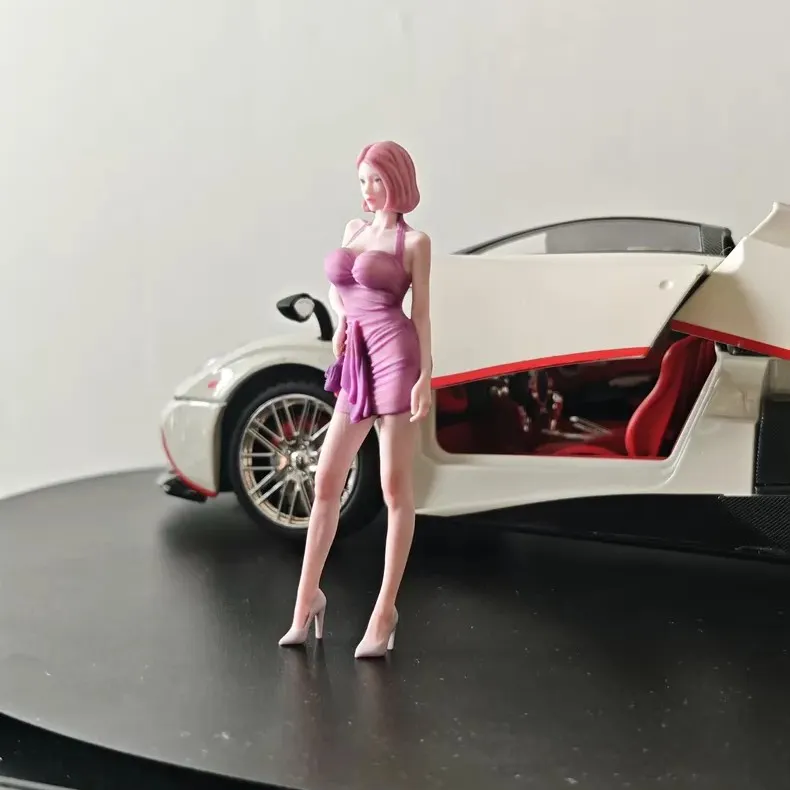
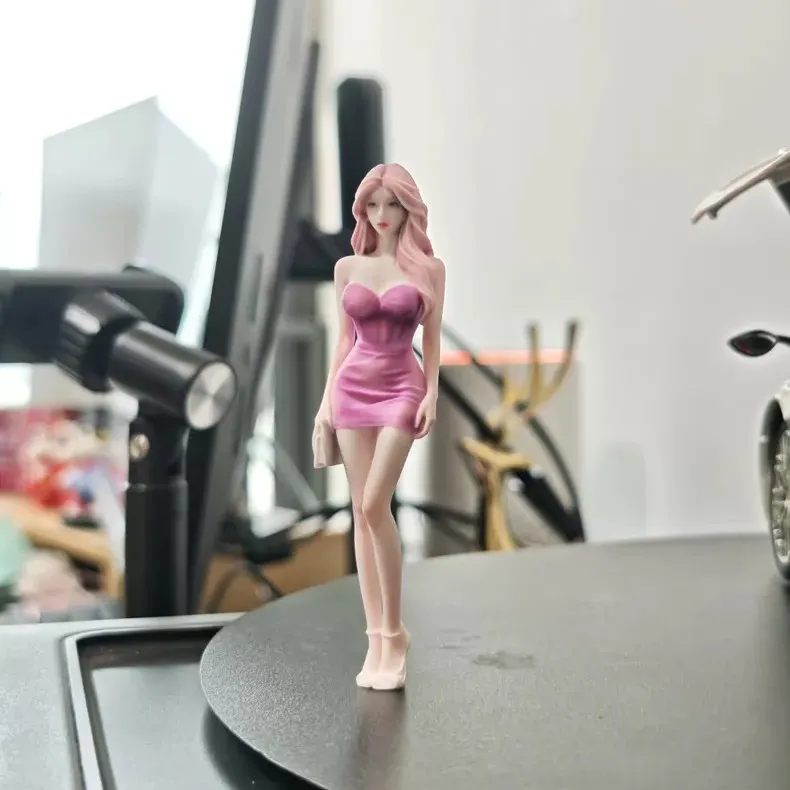
Custom 3D Miniature Figure from Photo – Personalized Mini Me Figurine
Create a full-color 3D figurine made from your photo. Personalize the clothing, hairstyle, and pose for a custom Mini Me keepsake or gift.
Frequently asked questions
Are realistic figurines supposed to look exactly like a photo?
No. A miniature is an interpretation of a person in three dimensions. Clear references and focused review priorities can improve recognition, but no responsible guide should promise an exact replica or guaranteed likeness.
Are life like figures better than stylized figures?
Neither is universally better. Life like figures emphasize believable proportions and recognizable visual cues, while stylized options may make expressions, colors, or character traits more prominent. Choose the interpretation that fits how you want the keepsake to feel.
What makes life like action figures read clearly?
Start with a clear face and full-body reference, then prioritize hair silhouette, outfit shape, stance, and a few meaningful accessories. At display distance, those large cues usually matter more than tiny surface details.
How should I review action figures realistic in style?
Review the full figure at ordinary viewing distance, then inspect the face, silhouette, clothing colors, pose, and finish in that order. Describe one or two concrete changes rather than asking for realism in general.
If you are ready to plan a photo-based figure, view the Custom 3D Printed Figurine From Your Photo and prepare the clearest references you have.
Best selling products

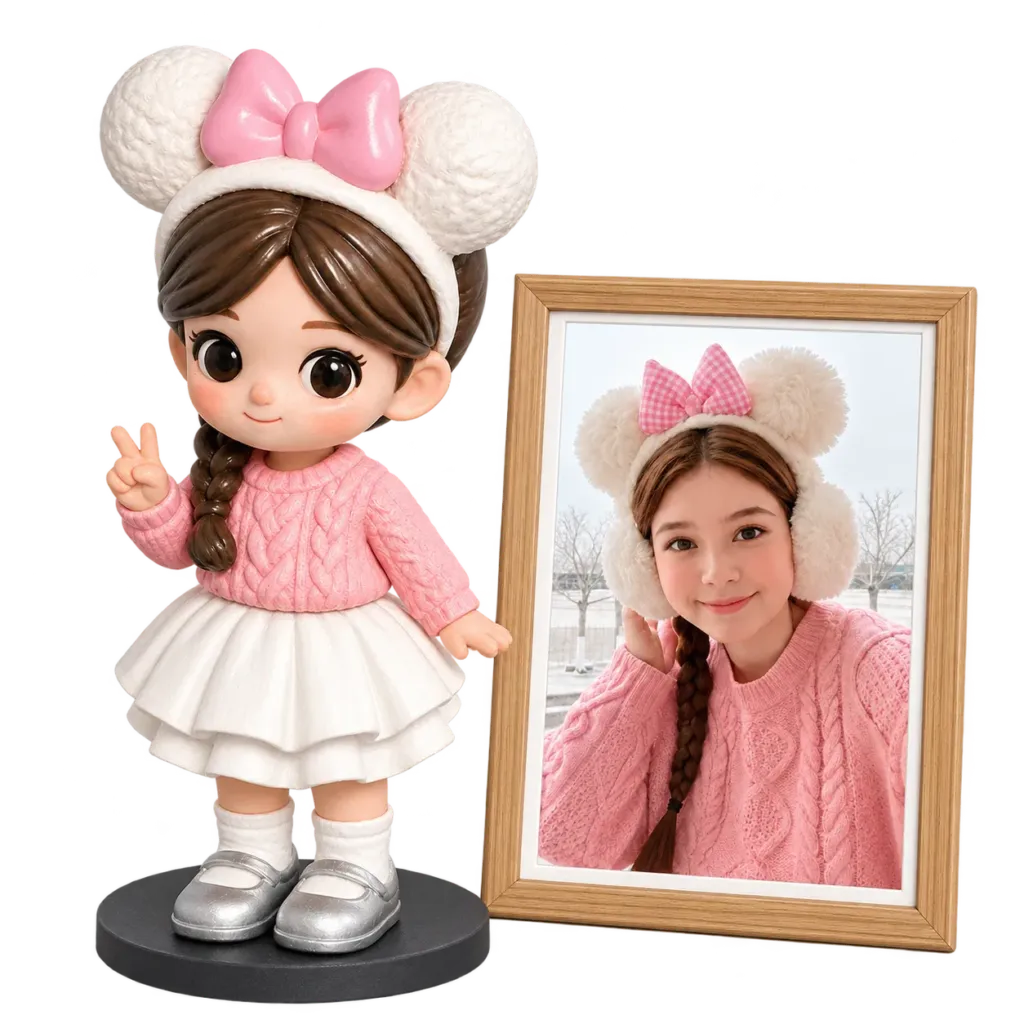
Personalized 3D Chibi Figurines From Photos of People or Pets
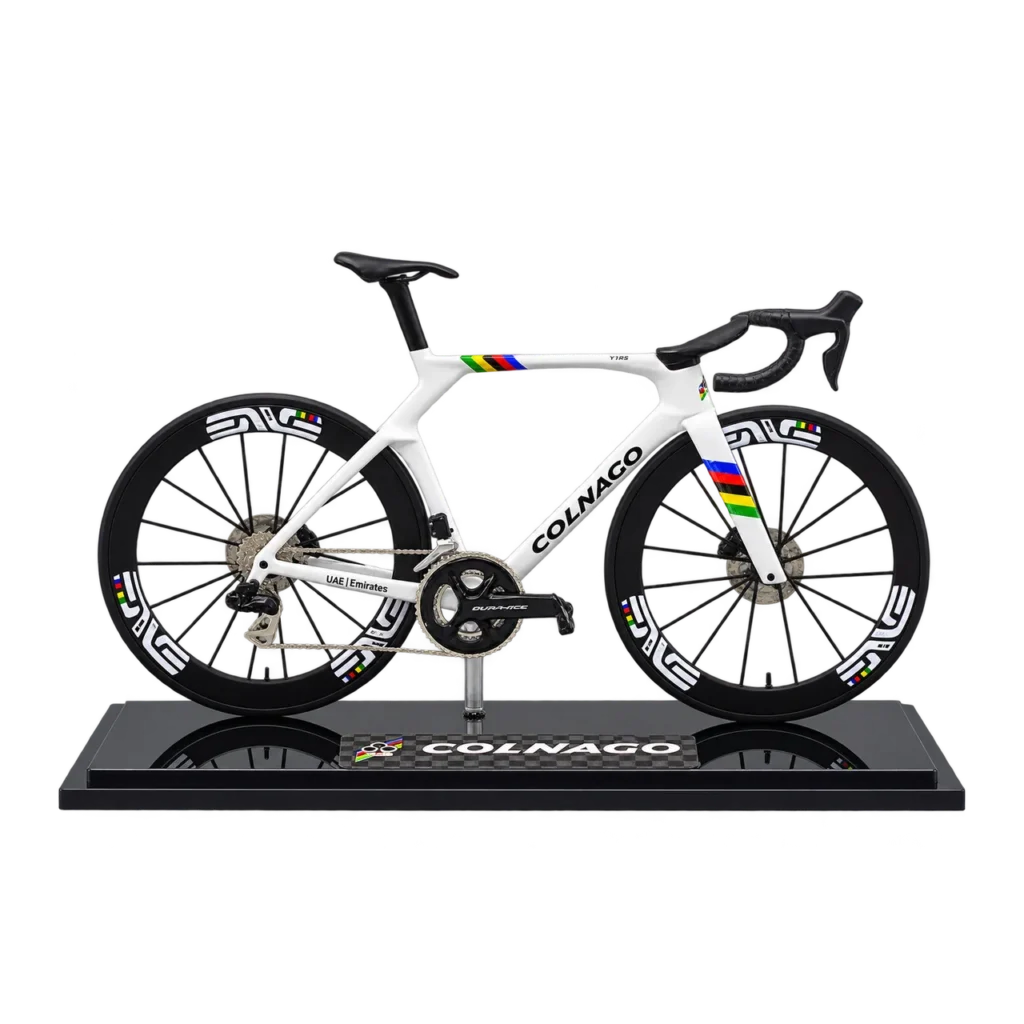
Price range: $49.00 through $499.00Colnago Y1RS Road Bike Model – Rainbow Colors
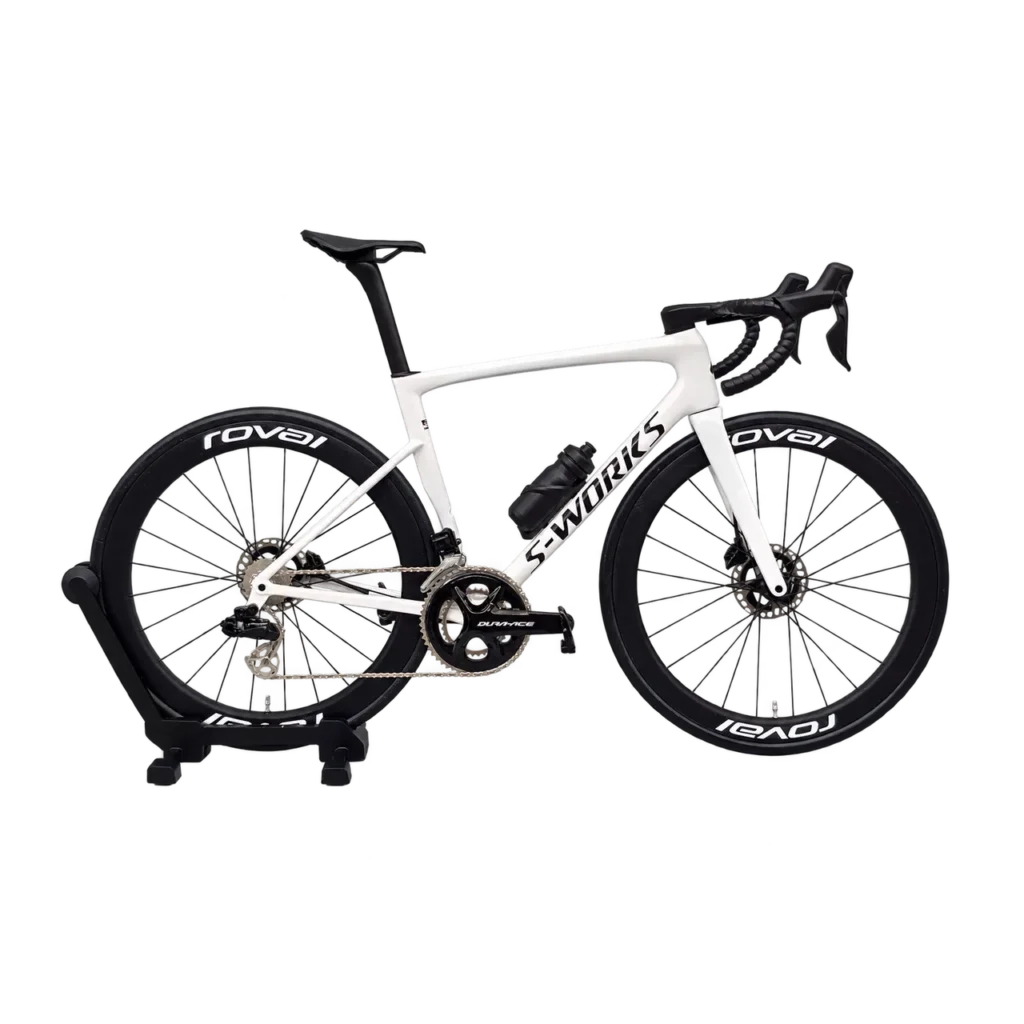
Price range: $159.00 through $399.00Specialized Tarmac SL8 Road Bike Model – 3 Sizes
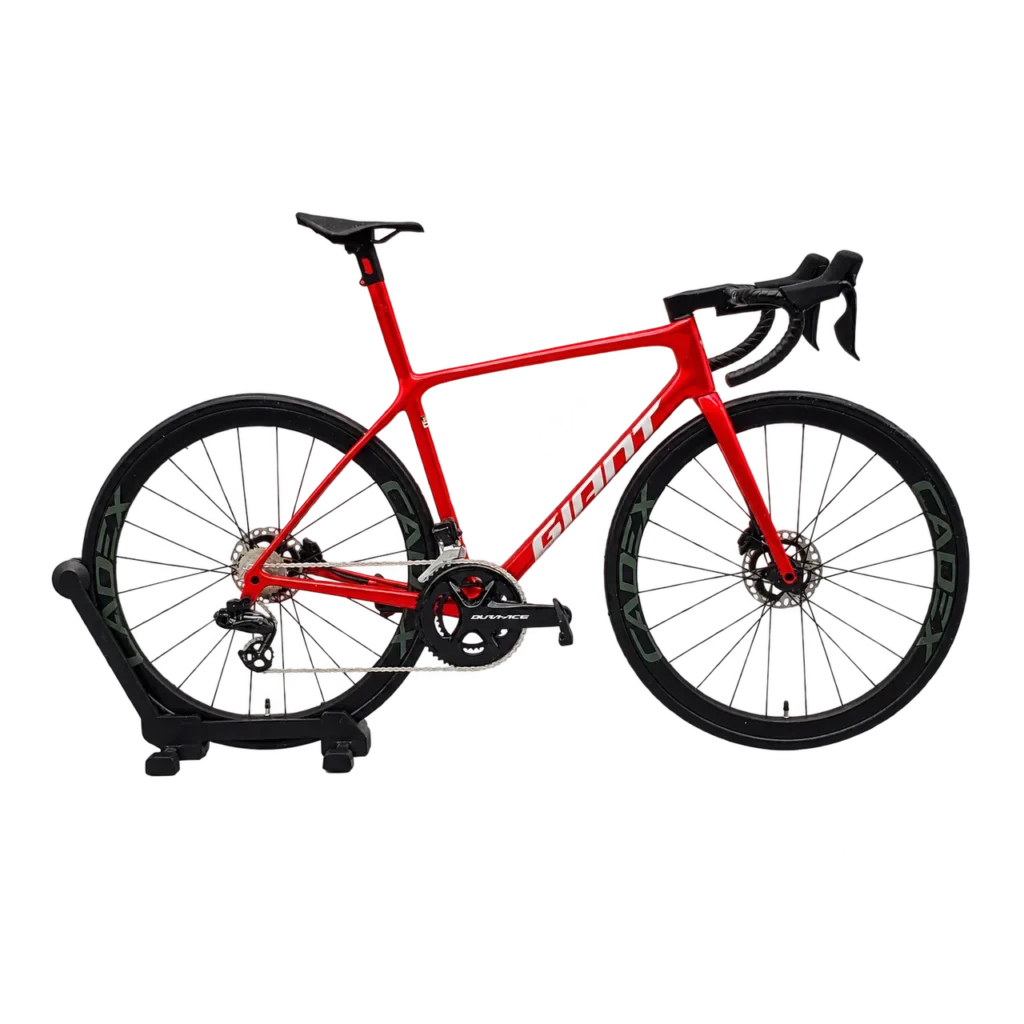
Price range: $159.00 through $399.00Giant Road Bike Model – TCR SL & Propel Advanced
Price range: $159.00 through $579.00
FAQ
Everything to know.
A few quick answers before you customize your Figurine here.
Can’t find your answer? Talk to a real person
For best likeness, upload 3-8 clear photos: front view, side view, outfit details, hairstyle, accessories, and any pose references you want us to follow.
Yes. We send a 3D preview before production. You can request reasonable adjustments to likeness, pose, outfit, base details, or accessories before approval.
Standard orders require 5–10 business days for processing, including reference review, 3D modeling, customer preview and approval, 3D printing, hand finishing, quality checking, and packaging. Tracked shipping then takes 5–7 business days. The total estimated delivery time is 10–17 business days. Day 1 begins on the first business day after payment and complete usable references are received. Delayed approval or extra revisions can extend the estimate. See our Shipping & Delivery Policy.
Yes. We can create people, pets, couples, family groups, anime-inspired styles, gaming avatars, wedding pieces, and memorial gifts from the references you provide.
We will work with what you have, but clearer references always improve likeness. If key details are missing, our team may ask for additional photos before sculpting.
Yes. Add notes during the order for pose, outfit, colors, accessories, base style, nameplate text, or special details you want included.
Figurines are 3D printed and hand finished. Final texture, color, and detail treatment vary by size, style, and the references used for the piece.
We aim for a recognizable, polished likeness, but a handmade 3D figurine is an artistic interpretation. Photos, lighting, hair, fabric, and scale can affect the final result.
Changes are easiest before approval. Once production starts, edits may be limited or require extra time and cost depending on how far the piece has progressed.
Contact us with photos of the packaging and damaged area as soon as possible. We will review the issue and help with a suitable resolution.
Yes. Figmo uses tracked international delivery services. Standard transit takes 5–7 business days after the 5–10 business day processing stage. The exact shipping charge is shown at checkout or confirmed in your written quote before payment. Customs processing may extend the estimate.
Yes. Multiple copies are useful for weddings, family gifts, teams, and memorial keepsakes. Share the quantity
you need so we can confirm timing and pricing.
Latest Posts
- Group Gifts for Coworkers: Plan One Personal Keepsake
 A practical way to coordinate one personalized gift from a team, from agreeing on the total budget to choosing a photo and sending one clear customization brief.
 - First Christmas Together Gifts: A Photo Keepsake GuideMark your first Christmas together with a photo-based keepsake that fits your relationship, your shared memories, and the place where it will be displayed.
- How to Review a Custom Figurine Preview Before PrintingA practical checklist for reviewing a custom figurine’s 3D preview, requesting specific adjustments, and approving the correct design before printing.