Figurine Printing: Full-Color 3D Printing vs Resin for a Custom Figure
Figurine printing is not one single look. For a custom figure made from photos, the right workflow depends on the style you want, how you want color to appear, how much you value a raw or painted finish, and where the finished piece will be displayed. Two useful directions are full-color 3D printing and resin printing with a raw or painted finish.
Neither process is universally better. Full-color printing can suit a one-piece miniature where colors, clothing, hairstyle, pose, and personal details are formed during printing. Resin can suit a chibi interpretation where you want a cute stylized shape and a choice between an unpainted starting point and a finished painted figure.
Full-color 3D printing vs resin at a glance
| Decision | Full-color 3D printing | Resin figure |
|---|---|---|
| Visual direction | A colorful one-piece miniature with color integrated into the printed result. | A stylized figure that can be supplied raw or painted. |
| Color workflow | Photo-based color and visual details are formed during full-color printing. | Color depends on the finish you select; a painted option adds a hand-finished layer. |
| Style fit | Useful when clothing, hairstyle, pose, and overall appearance should read together. | Useful when cute big-head proportions and expressive chibi details are the goal. |
| Reference priority | Clear full-body photos, with the face, outfit, and pose visible. | Clear photos of the person, pet, couple, or group, plus notes about pose, outfit, color, and finish. |
Use the table as a starting point, not a promise about the final appearance. A custom figure is an interpretation of the references you provide, and the most important choice is the visual brief you want the maker to follow.
Choose the look before you choose the workflow
Start with the display goal. Do you want a miniature that carries the overall appearance of a person or scene through integrated color? Or do you want a deliberately cute character with a larger head, smaller body, and softer expression? Both can be personal, but they communicate differently.
- Choose a full-color direction when the clothing palette, hairstyle, pose, and broad personal details should arrive as part of a one-piece colorful miniature.
- Choose a resin chibi direction when stylized proportions are central to the idea and you want to choose between a raw figure and a painted display finish.
- Pause and clarify the brief when your reference photo is realistic but your desired result is chibi, or when you are unsure whether color workflow or shape should lead the decision.
The question is not “Which technology wins?” It is “Which result will feel right when this figure sits on its intended desk, shelf, cabinet, or collection display?”
How full-color 3D printing fits a custom figure
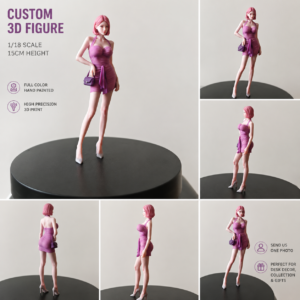
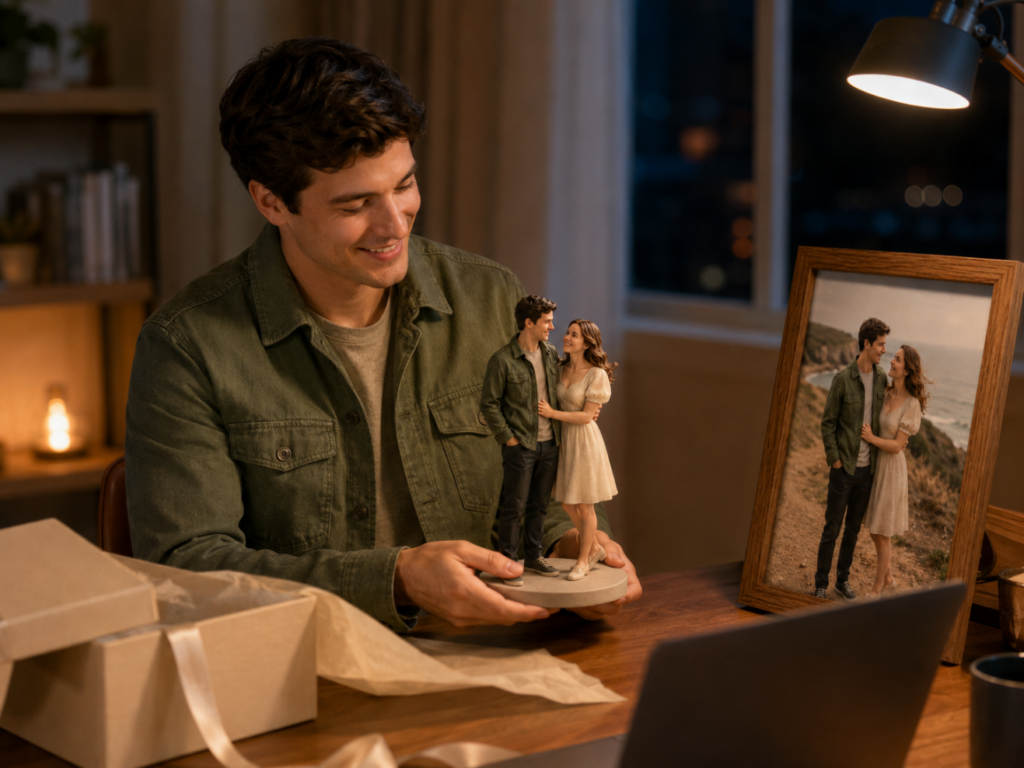
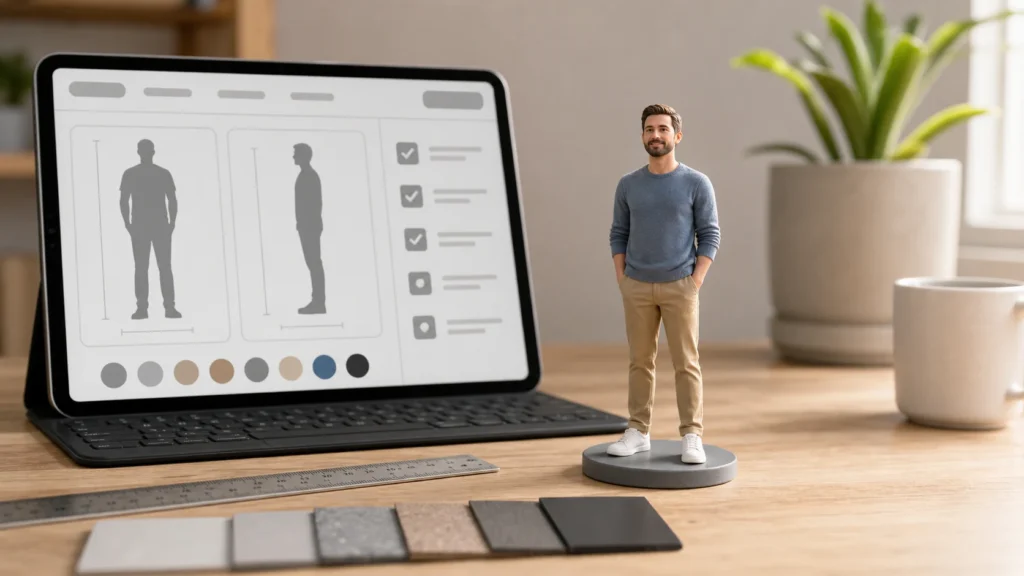
GetFigmo’s Custom 3D Miniature Figure from Photo is described as a full-color 3D printed miniature made in one piece, with no traditional hand painting. Its workflow uses photo references for details such as clothing, hairstyle, pose, and the person’s overall appearance, and it offers multiple sizes.
This makes the product a natural full-color alternative when you want the visual information from the photo to remain part of the printed miniature rather than choosing painting as the main finishing step. Send a clear full-body reference, make the face and outfit visible, and add side or back views when they help explain the pose or clothing.
Keep the request concrete. Instead of asking for “maximum detail,” identify the signals that matter most: a hairstyle outline, a particular jacket shape, a standing stance, a pair of glasses, or a color combination that makes the figure recognizable.
How resin printing fits a custom chibi figure
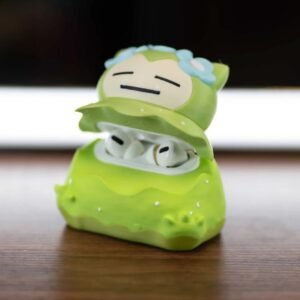
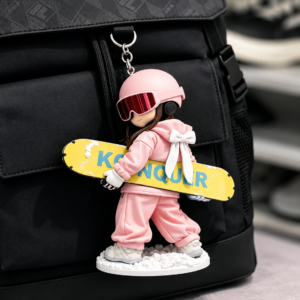
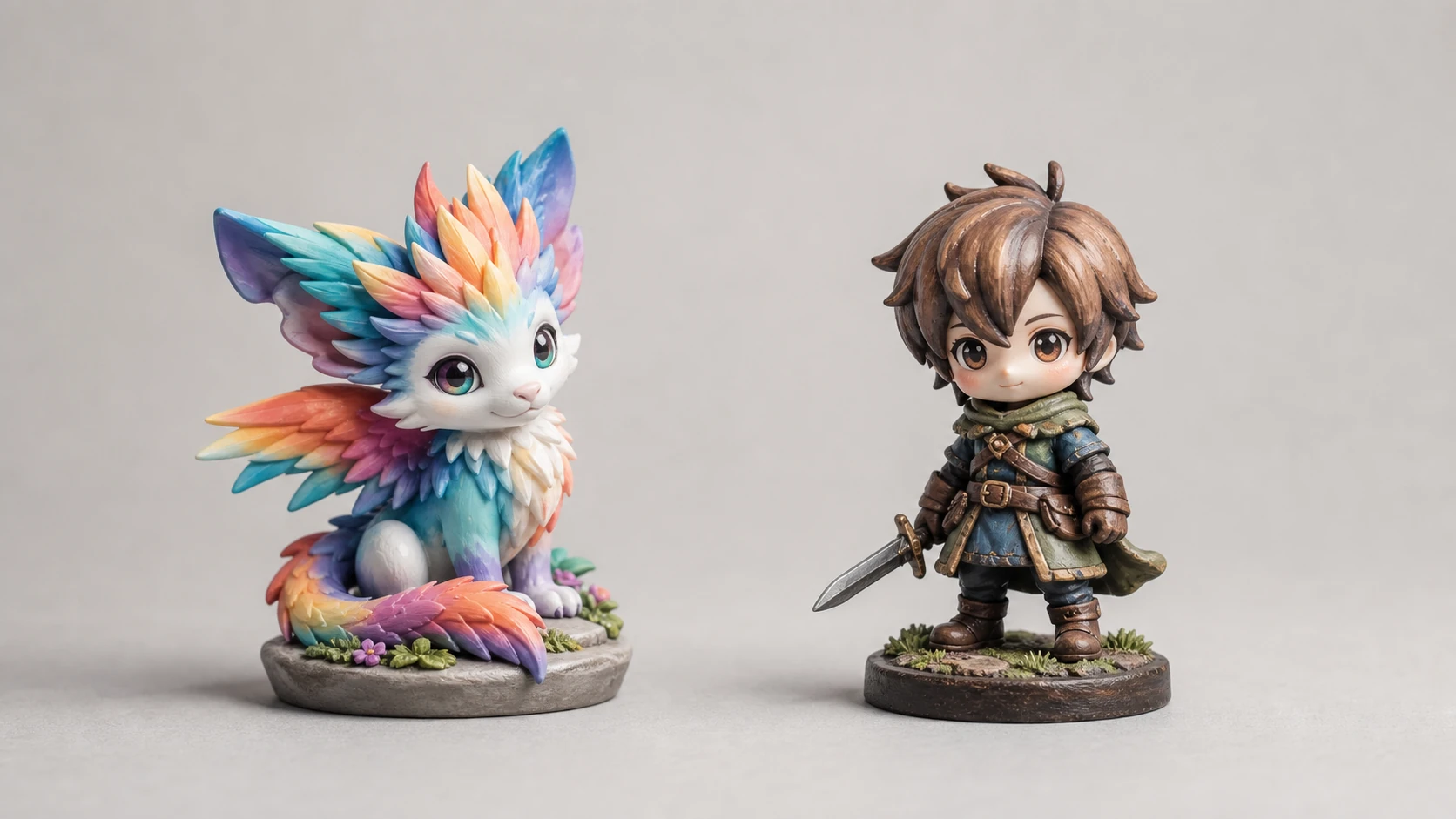
GetFigmo’s Personalized 3D Chibi Figurines From Photos is described as a photo-based resin chibi figure with cute big-head proportions, a small body, expressive details, multiple sizes, and raw and painted finish options.
The raw option can make sense if you want an unpainted figure as the starting point for your own creative finish. The painted option can make sense if you want a display-ready interpretation with hand-finished color. In either case, the chibi shape is part of the appeal: the result is not trying to be a life-size replica in miniature form.
When requesting a resin chibi figure, explain the intended character first. Note whether the pose should feel relaxed, playful, or action-oriented; which clothing colors should remain prominent; and whether the final piece should be raw or painted. Those decisions are more useful than a vague request for “realistic” detail when the desired style is intentionally stylized.
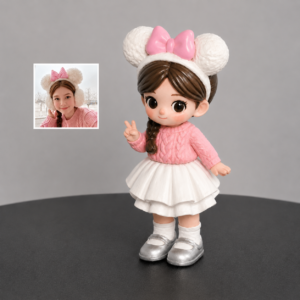
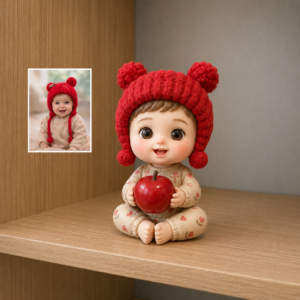
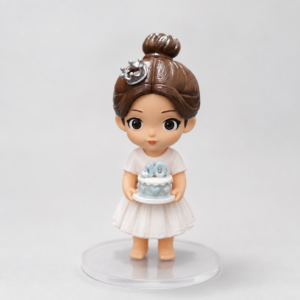
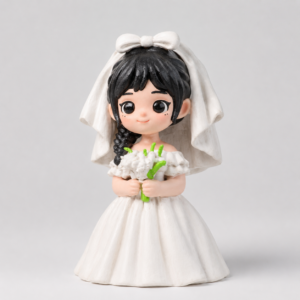
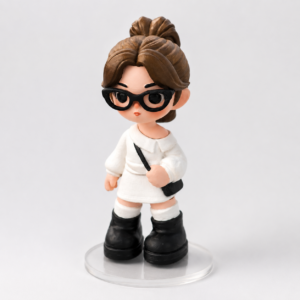
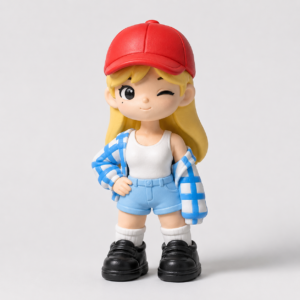
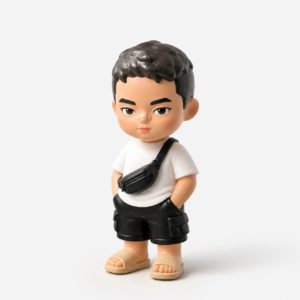
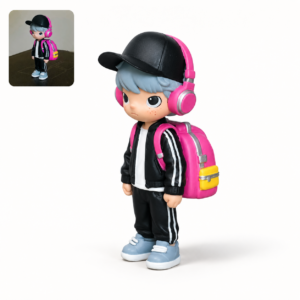
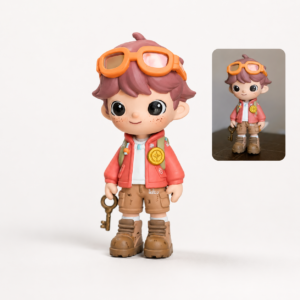
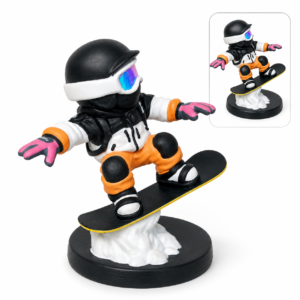
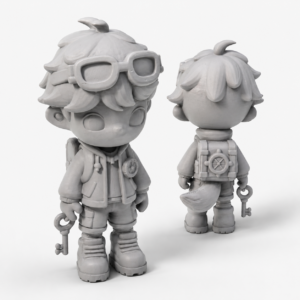
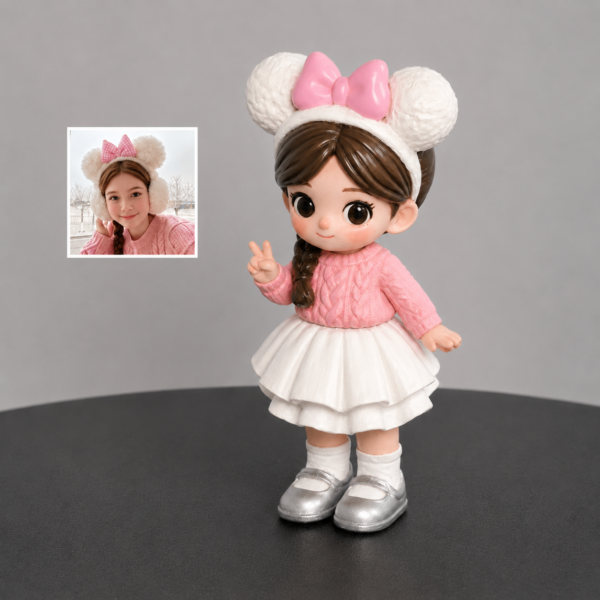
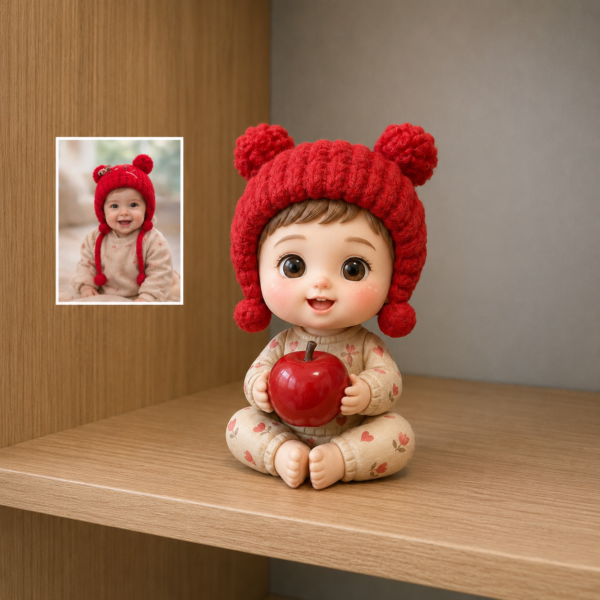
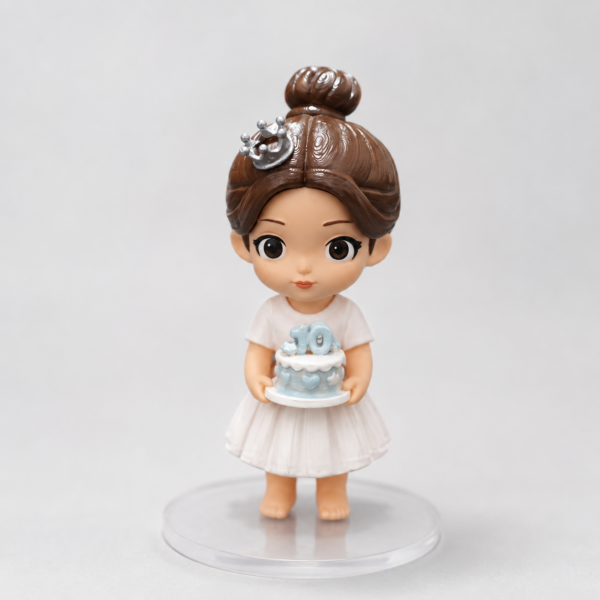
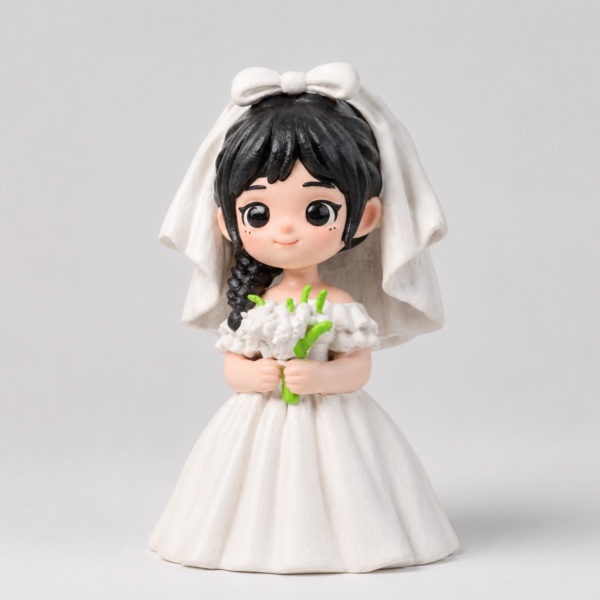
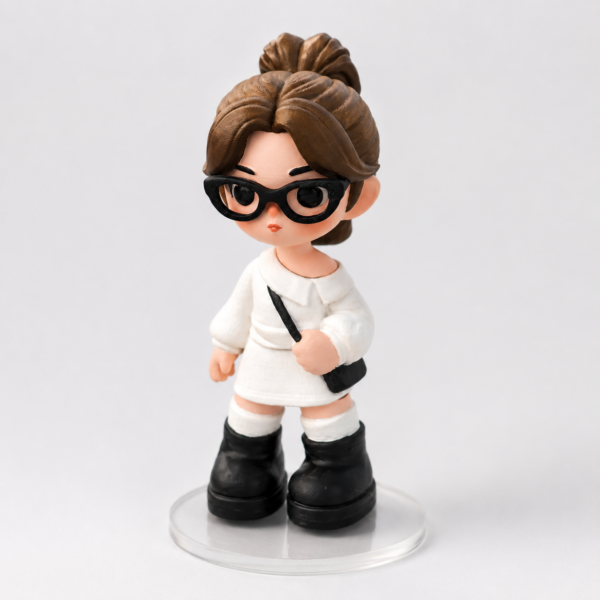
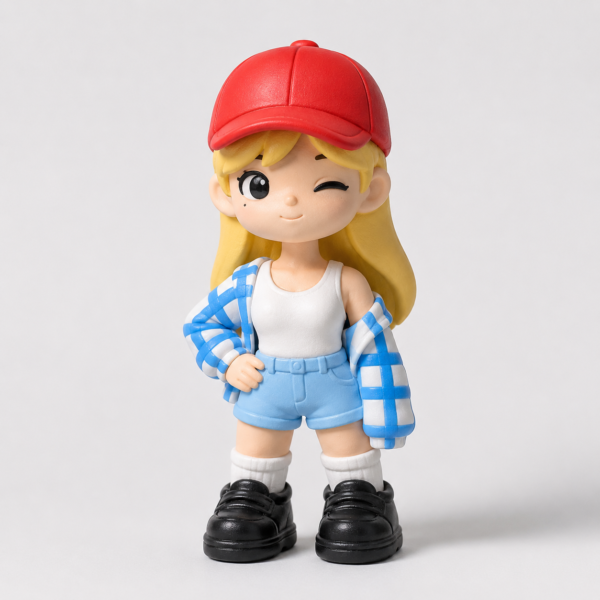
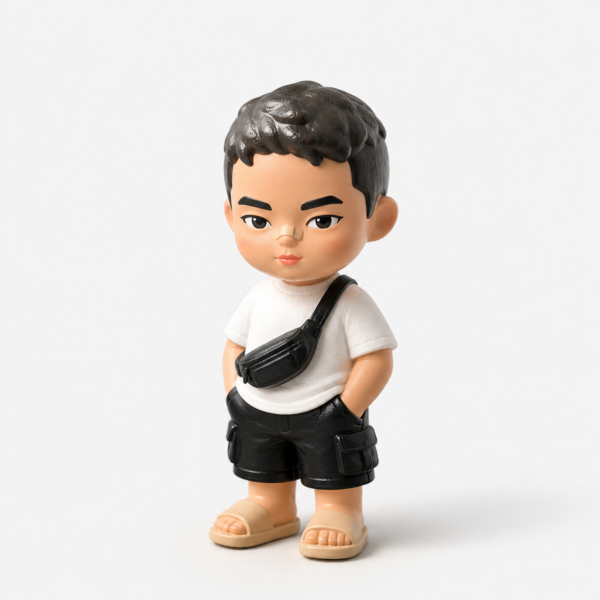
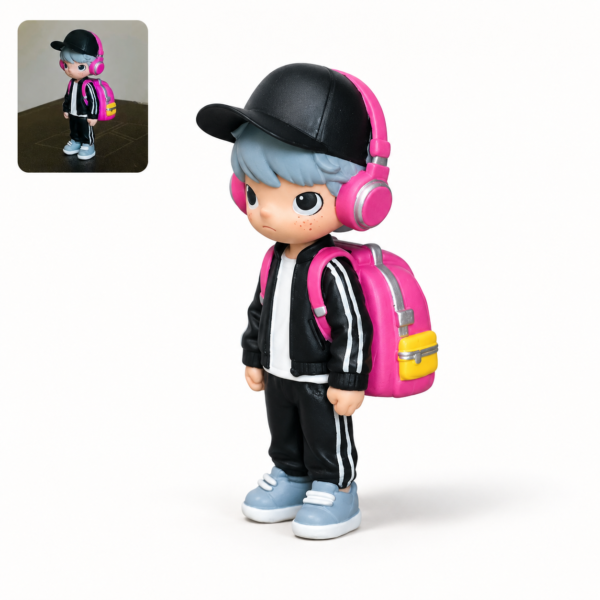
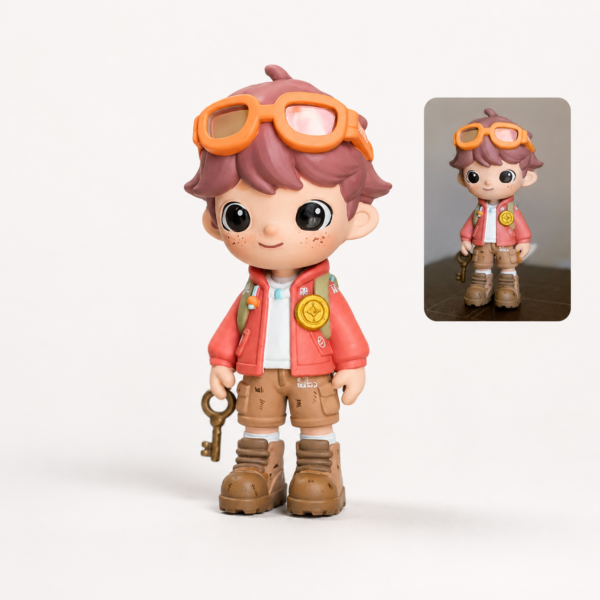
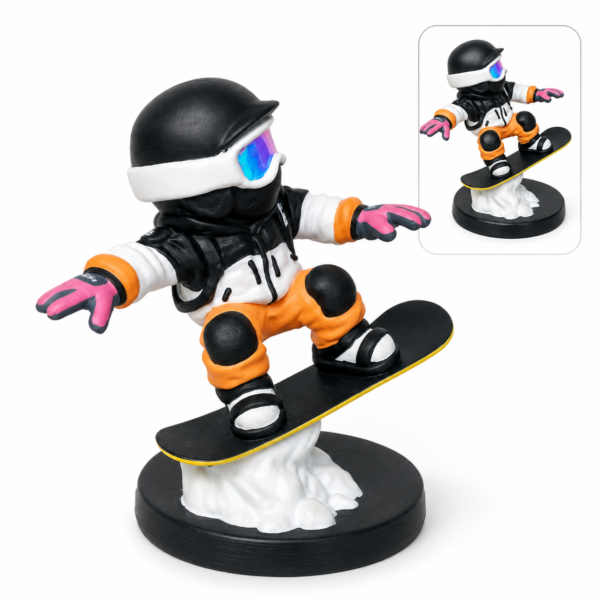
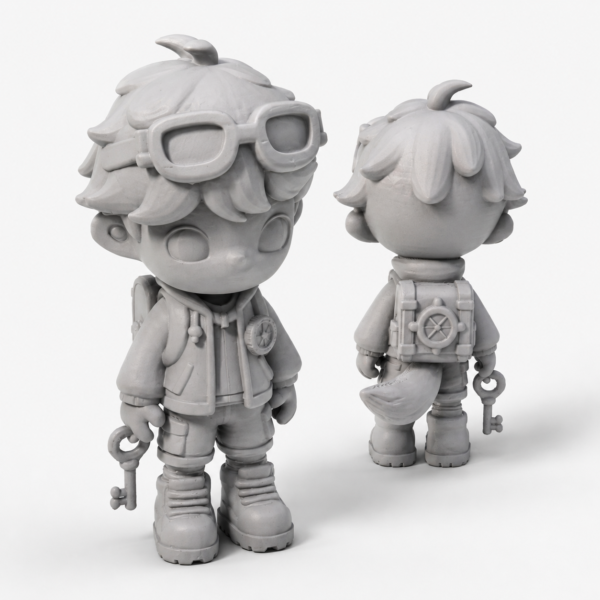
Personalized 3D Chibi Figurines From Photos of People or Pets
Create personalized 3D chibi figurines from photos of people or pets, with cute big-head proportions and optional painting.
Compare the color workflow, not just the material name
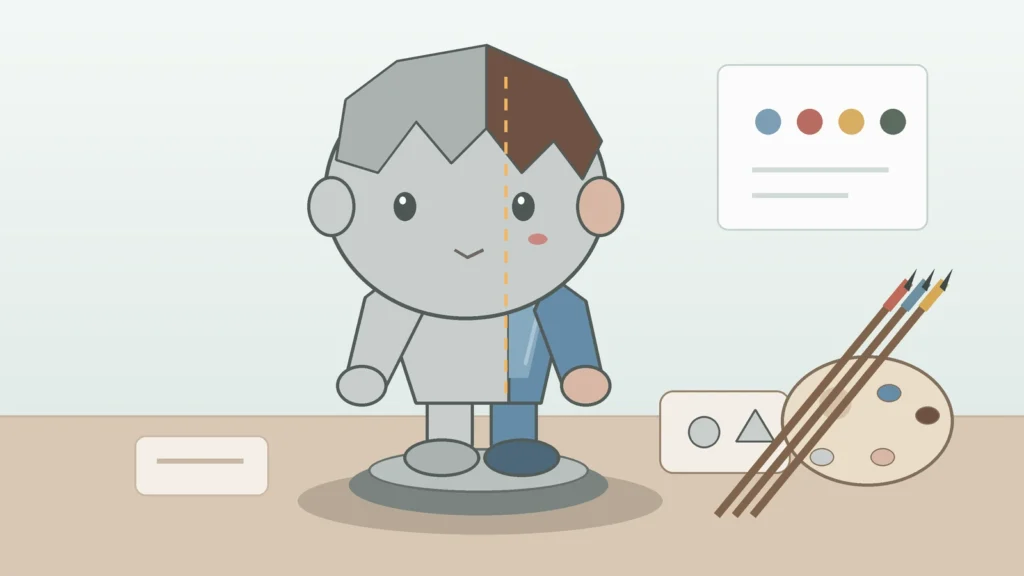
“Full color” and “resin” describe different parts of the decision. Full-color 3D printing points to how color is formed in the one-piece printed result. Resin identifies the figure workflow, while the final appearance can vary depending on whether you choose a raw or painted finish.
Ask these questions before you order:
- Do I want colors to be part of a one-piece printed miniature, or do I want to choose a raw or painted finish?
- Should the figure feel like a miniature version of the reference, or a cute chibi interpretation?
- Which colors, accessories, or clothing shapes are essential to recognition?
- Will I display the figure as a standalone keepsake, a gift, or part of a larger collection?
This framing avoids unsupported assumptions about strength, surface performance, color accuracy, or other technical properties that cannot be decided from the process name alone.
Reference quality matters in both workflows
A strong result starts with references that show what you want preserved. A single unclear photo may leave too many details open to interpretation, while a small set of purposeful images can clarify the face, hairstyle, clothing, and pose.
- Use a sharp, well-lit primary image.
- Include a full-body view when pose and outfit matter.
- Add a closer face reference when the expression or hairstyle is important.
- Provide side or back views when they explain hair, clothing layers, or accessories.
- Write down the details that should not be lost, such as a scarf, glasses, stance, or dominant color.
Reference quality does not guarantee an exact copy. It gives the sculpting and printing workflow a clearer brief, which makes the review conversation more focused.
Pose and display goal can settle the decision
Pose is often more important than shoppers expect. A familiar stance can make a figure feel personal, while a generic pose can make the same face and outfit feel less connected to the reference. Decide whether the figure should stand naturally, hold a simple prop, show a favorite activity, or use an intentionally playful chibi pose.
Then picture the display location. A desk figure may need a clear silhouette from the front. A shelf display may be viewed from more than one angle. A gift may benefit from a cute, immediately readable character. Your display goal should guide the reference set and the conversation about finish.
Questions to ask before ordering
Which workflow matches my intended style?
Ask whether the supplied product is designed around a colorful one-piece miniature or a resin chibi interpretation. Describe the look in plain language and include a visual reference if you have one.
What finish options are available?
For a resin chibi figure, confirm whether you want the raw or painted option. For full-color printing, confirm that the workflow is the one-piece full-color process described for the product.
Which photos should I send?
Ask what the maker needs to assess the face, hairstyle, clothing, pose, and any accessories that are important to the design. Send the clearest views first rather than uploading a large group of unrelated images.
Can I choose the size?
Both referenced GetFigmo workflows describe multiple sizes. Ask which available size best suits the display location and the visual importance of the details you want emphasized.
Should I choose full color or resin?
Choose based on the result you want to see: integrated color in a one-piece miniature, or a resin chibi figure with a raw or painted finish. Neither is the universal winner.
Final decision checklist
- Write one sentence describing the desired style.
- Choose whether color workflow or chibi shape is the leading priority.
- Select the pose and display location before sending references.
- Prepare clear photos that show the face, outfit, and body position.
- List the two or three visual details that matter most.
- Confirm size and finish options with the maker before placing the order.
Figurine printing works best when the production method follows a clear visual goal. If you want a colorful one-piece figure based on a full-body photo, explore the full-color 3D miniature option. If a playful shape and raw or painted resin finish fit better, review the chibi product above and prepare references that support that direction.