Custom 1:12 Road Bike Models: How to Prepare Bike and Rider References
Prepare bike and rider reference photos for a custom 1:12 road bike model with a clear, useful design brief.
Published August 31, 2026
Table of Contents
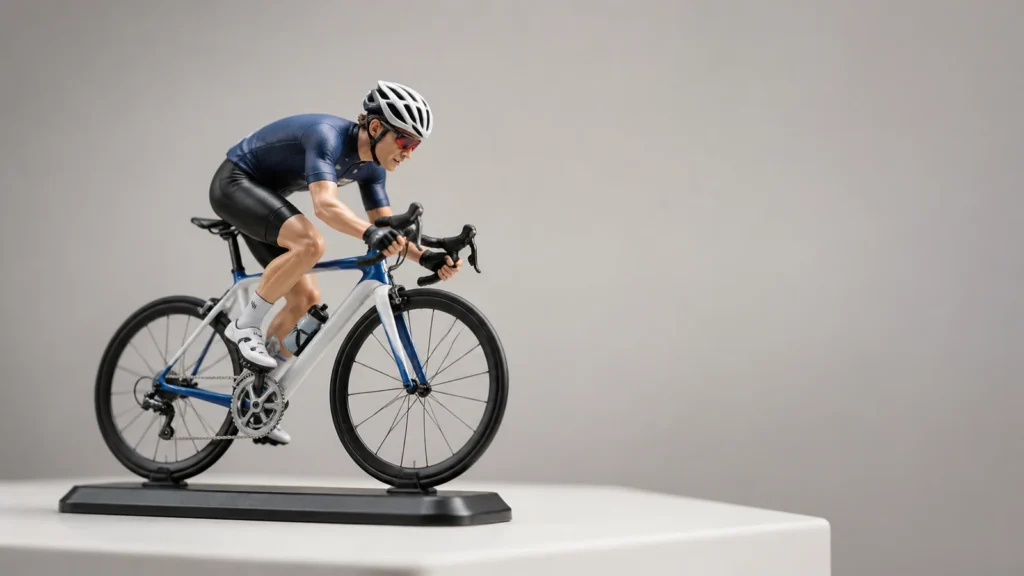
A custom 1:12 road bike model is a display project, not a generic toy purchase. The strongest result comes from a reference set that identifies both the bicycle and the rider: frame color and graphics, wheel and cockpit details, clothing, helmet, and the action pose. Before requesting a quote, organize the photos around those decisions.
Decide what the miniature should remember
Some cyclists want the machine itself to be the focal point. Others want a specific race-day moment, climb, sprint, or finish-line pose. Write that intention first. It helps the maker balance fine bicycle details with the rider’s likeness and body language instead of treating every visible feature as equally important.
GetFigmo’s custom 1:12 road bike model with miniature rider listing describes a bike-and-rider display model developed from references. Its documented scope includes frame color and paint layout, wheelset, cockpit, drivetrain, rider clothing, helmet, eyewear, gloves, shoes, and selected accessories. The listing also describes a display stand. Confirm the final interpretation and any graphic or logo treatment before production.

Build a bike reference set with distinct jobs
- Side profile: identifies the frame silhouette, wheel proportions, saddle position, and paint layout.
- Drive-side detail: clarifies crankset, chain, cassette, derailleur, and bottle placement.
- Cockpit angle: shows the handlebar, stem, brake hoods, computer, and front-end arrangement.
- Rider action view: communicates posture, hand position, clothing layers, helmet, eyewear, and the moment you want preserved.
- Close-up of distinctive parts: use for an unusual wheelset, frame finish, accessory, or color transition.
Use the same bike in every reference where possible. If a replacement wheel or new kit appears in one photo, label the date and tell the maker which version is authoritative. A visually impressive set can still be misleading when it combines two different configurations.
Explain color and graphics without relying on a tiny photograph
Frame paint is easier to interpret when one photo shows the whole layout and another shows the color under neutral light. Describe the main frame color, secondary panels, finish, and any graphic placement. If a mark is important to the bike’s identity, ask how it can be represented at miniature scale and whether you have permission to reproduce it. Do not assume a small decal will remain legible.
Color correction can also create confusion. Phone cameras may shift fluorescent yellow, deep blue, or metallic finishes. Add a short written note such as “the frame is a muted blue, not black,” and treat the note as clarification rather than a replacement for the image.
Show the rider as a person, not only as a helmeted silhouette
The action photo establishes the pose, but it may hide the face, hairstyle, or body proportions. Add a clear face reference and, if useful, a relaxed standing photo in the same kit. Include helmet shape, eyewear, gloves, shoes, and jersey layers when those cues matter to the story.
Say which features should read first. For example: “Keep the climbing posture and white helmet; the small bottle label is not essential.” This gives the maker a hierarchy when the miniature cannot carry every mark at full-size clarity.
Plan the pose and stand together
At 1:12 scale, the bike, rider, and stand need to work as one display object. Tell the maker whether you want the rider mounted, standing beside the bike, holding it, or shown in another documented pose. Ask how the chosen pose affects handlebar width, wheel clearance, and the stand footprint. Measure the shelf or cabinet where the model will live, including the space needed to remove it safely.
Questions to include in a quote request
- Which image will be used as the authority for the current bike configuration?
- Does the quoted model include the display stand described on the product page?
- How will frame graphics and small components be interpreted at 1:12 scale?
- Which rider details need additional close-up references?
- How will the finished footprint and overall height be measured?
- Are requested marks or graphics suitable for reproduction and authorized for use?
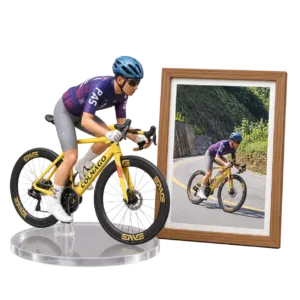
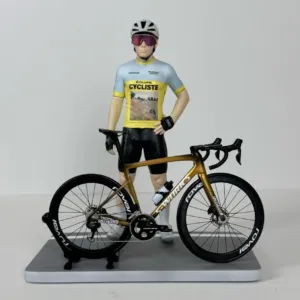
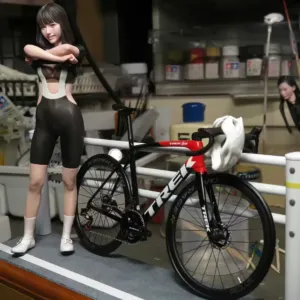
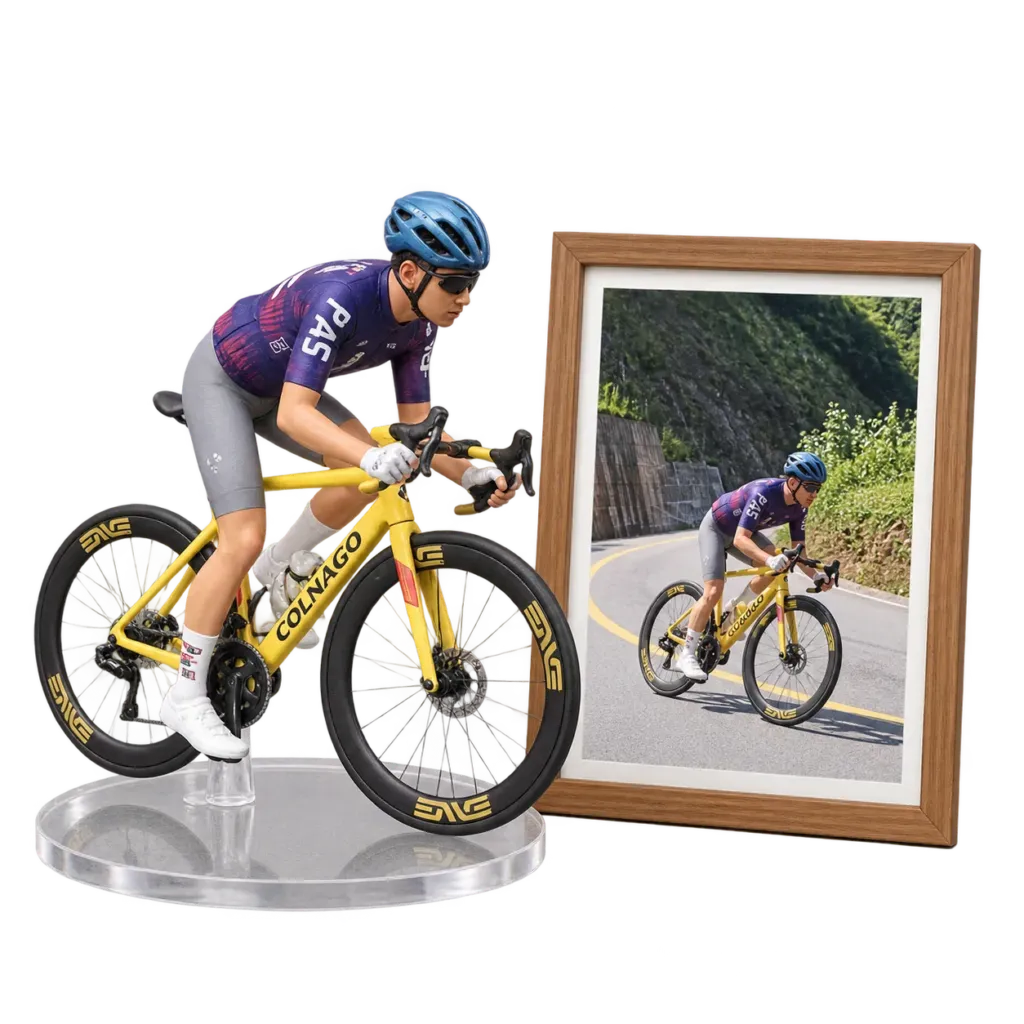
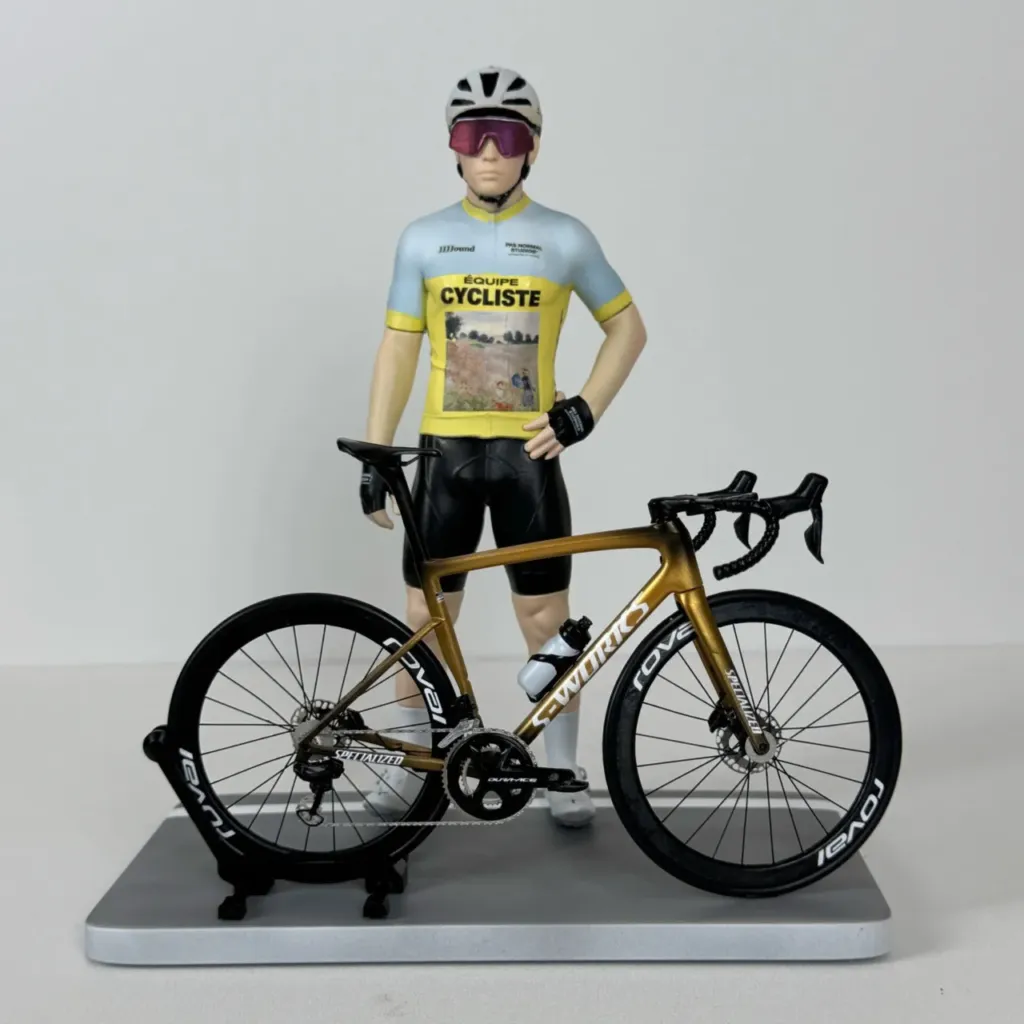
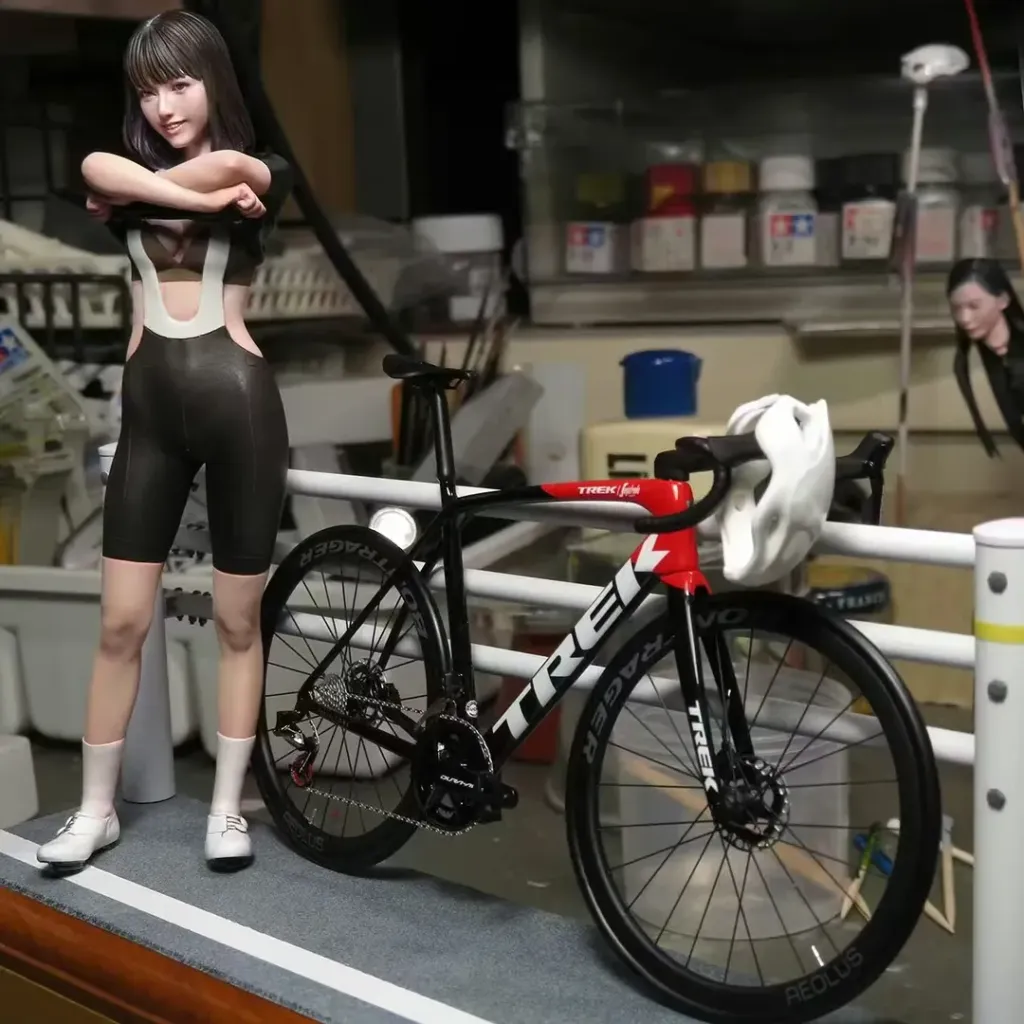
Custom Road Bike Model with Miniature Rider
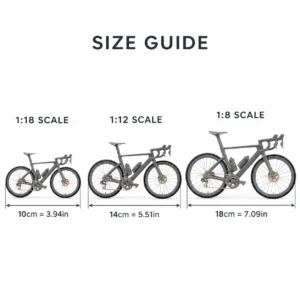
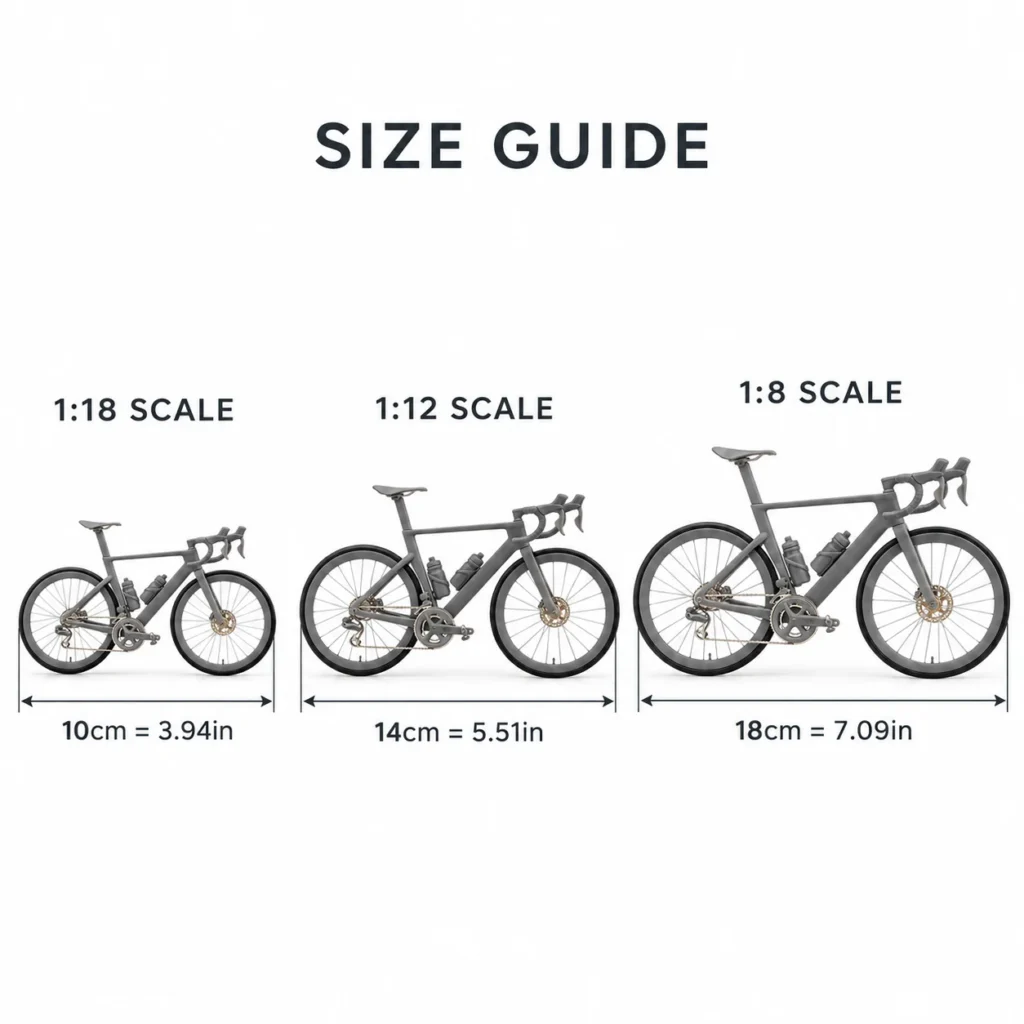
From $399.00. Create a custom road bike model with one realistic miniature rider from your references. Choose 1:18 scale — 10cm = 3.94in, 1:12 scale — 14cm = 5.51in, or 1:8 scale — 18cm = 7.09in. Personalize the frame, components, rider likeness, clothing, and pose.
Reference-photo checklist
Before sending the brief, rename files by purpose: bike-side, drive-side, cockpit, rider-pose, face, and detail. Remove duplicates, keep original-resolution files, and note which photo shows the final configuration. A short priority list is more useful than a large unlabelled folder.
FAQ
Do I need photos of every component?
No. Start with the features that identify your bike and the moment you want to preserve. Add close-ups for unusual or especially meaningful parts.
Can one action photo define the rider?
It can define posture, but it may not show the face, hair, or clothing layers. Pair it with a clear portrait or relaxed reference when those details matter.
Is 1:12 a universal measurement of the finished model?
It describes the intended model scale, but the finished display footprint still depends on the bike design, rider pose, stand, and selected details. Ask for the final dimensions before approving the build.
A well-labelled reference set turns a personal bicycle into a manageable design brief. It gives the maker a clear authority for the bike, the rider, and the specific ride you want the miniature to remember.
Riders planning a gift can also compare personalized gifts for cyclists from ride photos, or browse custom figurines for other miniature styles.
Best selling products

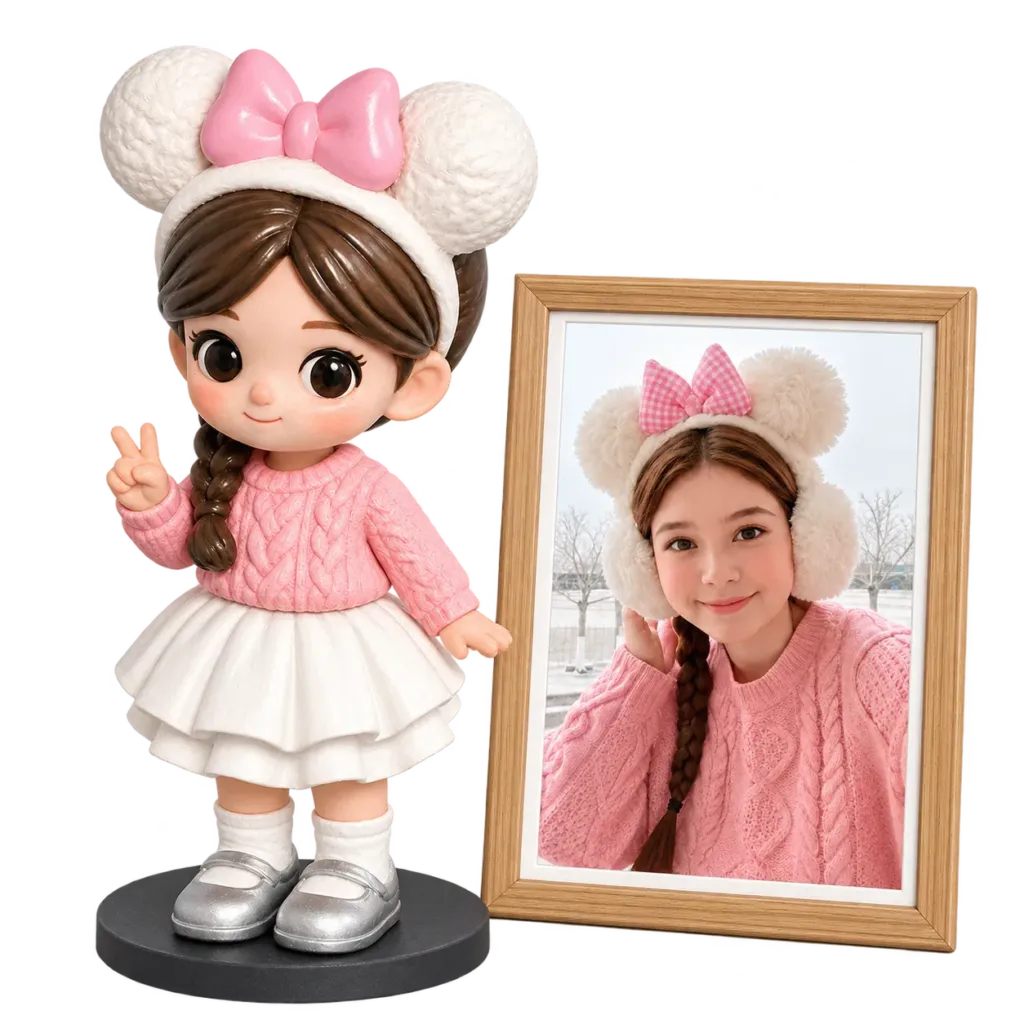
Personalized 3D Chibi Figurines From Photos of People or Pets
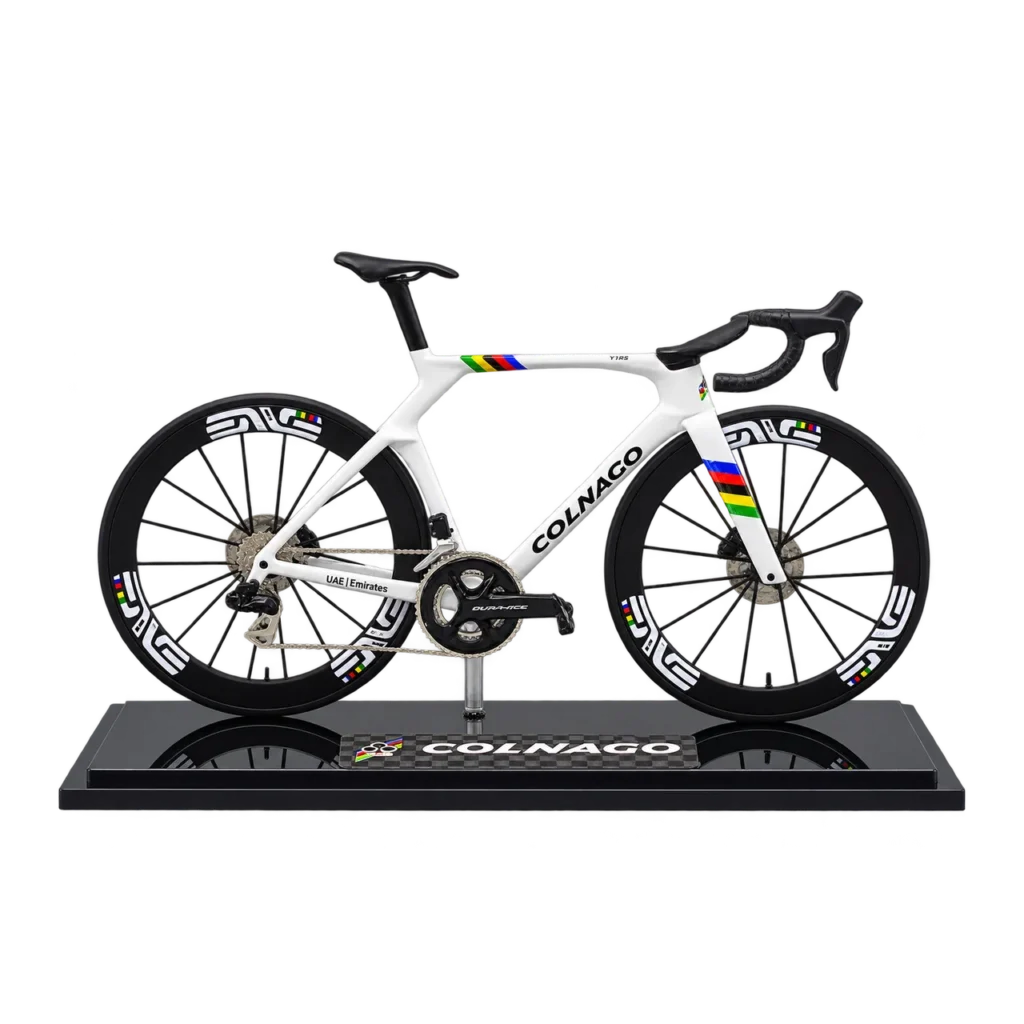
Price range: $49.00 through $499.00Colnago Y1RS Road Bike Model – Rainbow Colors
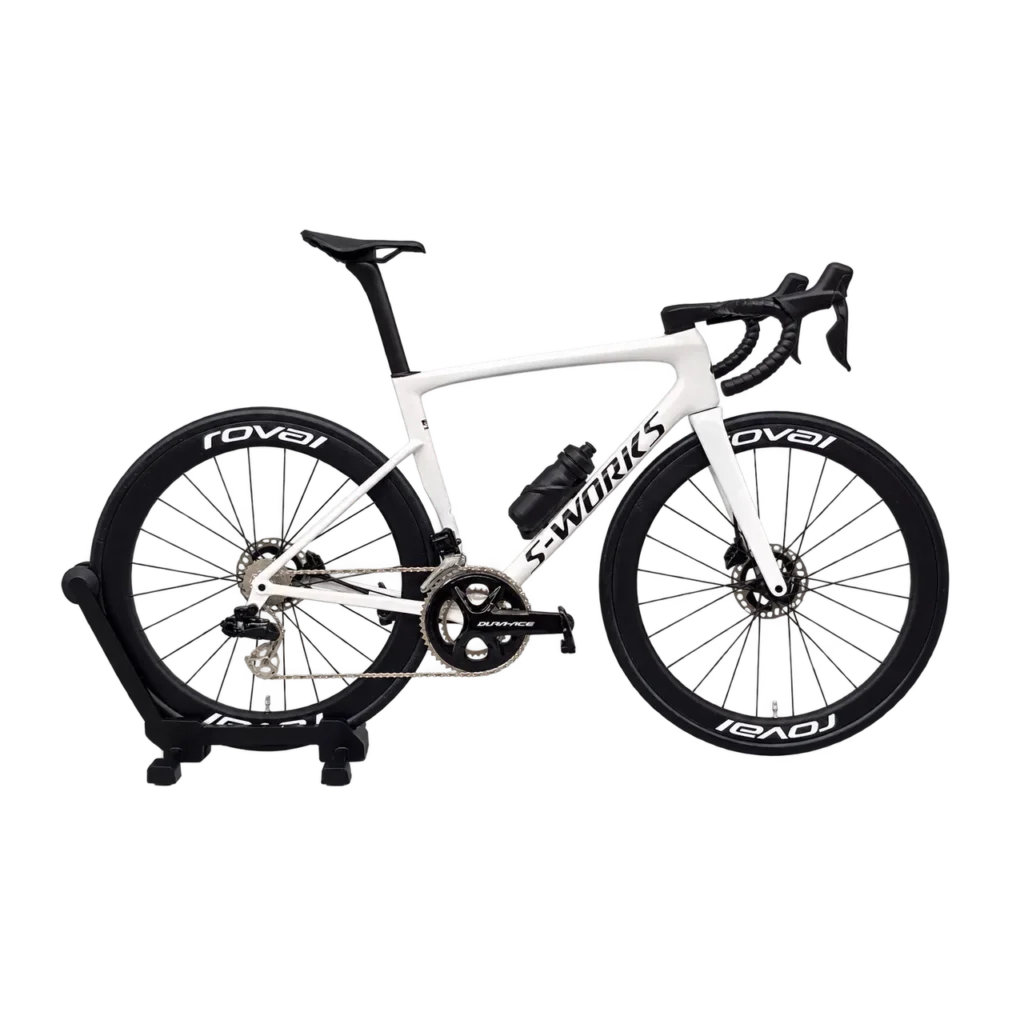
Price range: $159.00 through $399.00Specialized Tarmac SL8 Road Bike Model – 3 Sizes
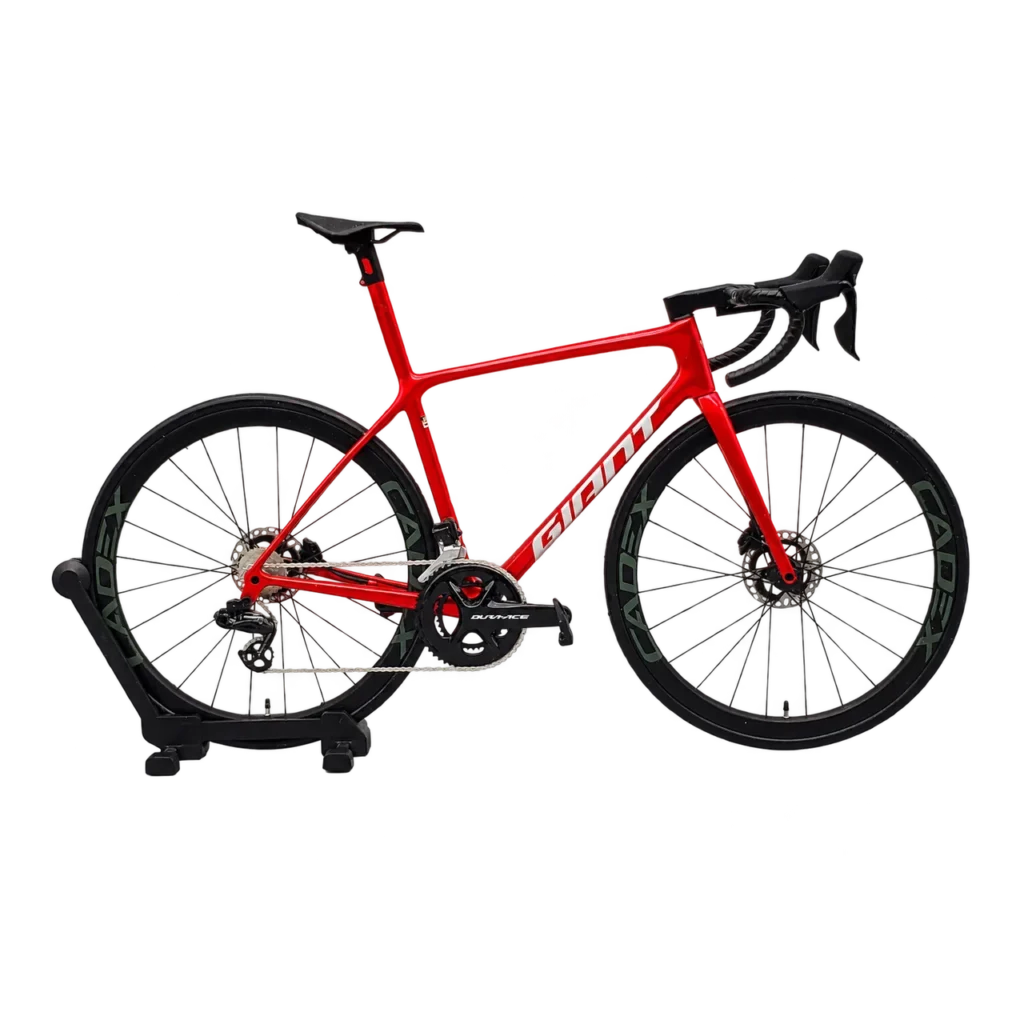
Price range: $159.00 through $399.00Giant Road Bike Model – TCR SL & Propel Advanced
Price range: $159.00 through $579.00
FAQ
Everything to know.
A few quick answers before you customize your Figurine here.
Can’t find your answer? Talk to a real person
For best likeness, upload 3-8 clear photos: front view, side view, outfit details, hairstyle, accessories, and any pose references you want us to follow.
Yes. We send a 3D preview before production. You can request reasonable adjustments to likeness, pose, outfit, base details, or accessories before approval.
Standard orders require 5–10 business days for processing, including reference review, 3D modeling, customer preview and approval, 3D printing, hand finishing, quality checking, and packaging. Tracked shipping then takes 5–7 business days. The total estimated delivery time is 10–17 business days. Day 1 begins on the first business day after payment and complete usable references are received. Delayed approval or extra revisions can extend the estimate. See our Shipping & Delivery Policy.
Yes. We can create people, pets, couples, family groups, anime-inspired styles, gaming avatars, wedding pieces, and memorial gifts from the references you provide.
We will work with what you have, but clearer references always improve likeness. If key details are missing, our team may ask for additional photos before sculpting.
Yes. Add notes during the order for pose, outfit, colors, accessories, base style, nameplate text, or special details you want included.
Figurines are 3D printed and hand finished. Final texture, color, and detail treatment vary by size, style, and the references used for the piece.
We aim for a recognizable, polished likeness, but a handmade 3D figurine is an artistic interpretation. Photos, lighting, hair, fabric, and scale can affect the final result.
Changes are easiest before approval. Once production starts, edits may be limited or require extra time and cost depending on how far the piece has progressed.
Contact us with photos of the packaging and damaged area as soon as possible. We will review the issue and help with a suitable resolution.
Yes. Figmo uses tracked international delivery services. Standard transit takes 5–7 business days after the 5–10 business day processing stage. The exact shipping charge is shown at checkout or confirmed in your written quote before payment. Customs processing may extend the estimate.
Yes. Multiple copies are useful for weddings, family gifts, teams, and memorial keepsakes. Share the quantity
you need so we can confirm timing and pricing.
Latest Posts
- Group Gifts for Coworkers: Plan One Personal Keepsake
 A practical way to coordinate one personalized gift from a team, from agreeing on the total budget to choosing a photo and sending one clear customization brief.
- First Christmas Together Gifts: A Photo Keepsake GuideMark your first Christmas together with a photo-based keepsake that fits your relationship, your shared memories, and the place where it will be displayed.
- How to Review a Custom Figurine Preview Before PrintingA practical checklist for reviewing a custom figurine’s 3D preview, requesting specific adjustments, and approving the correct design before printing.