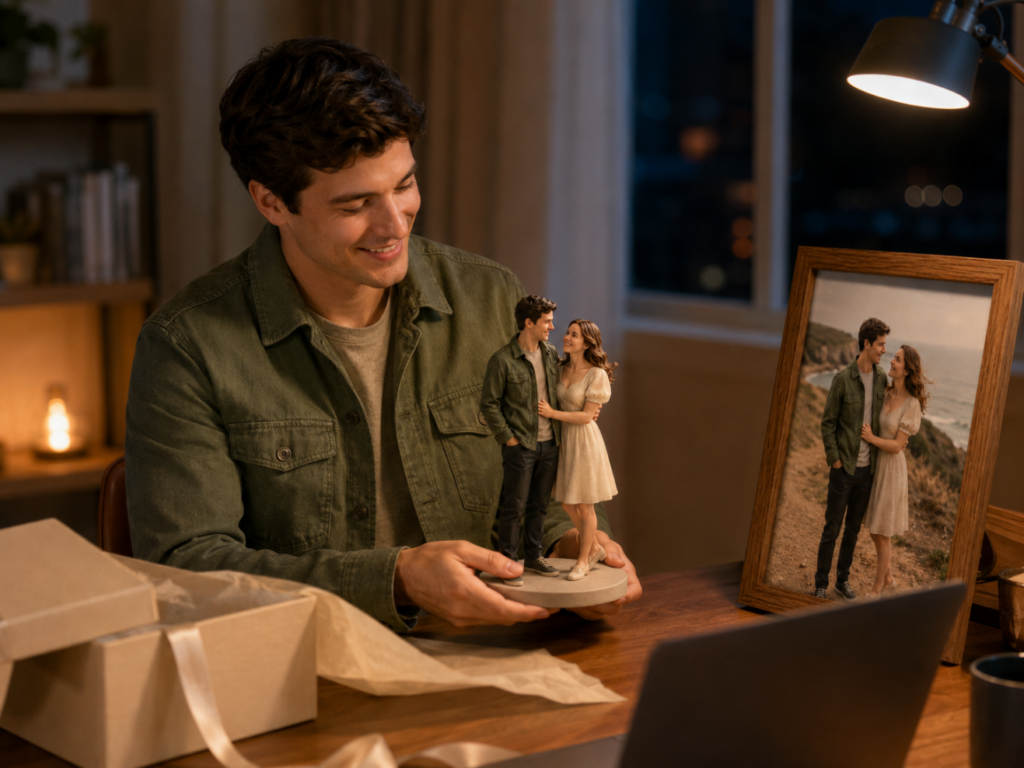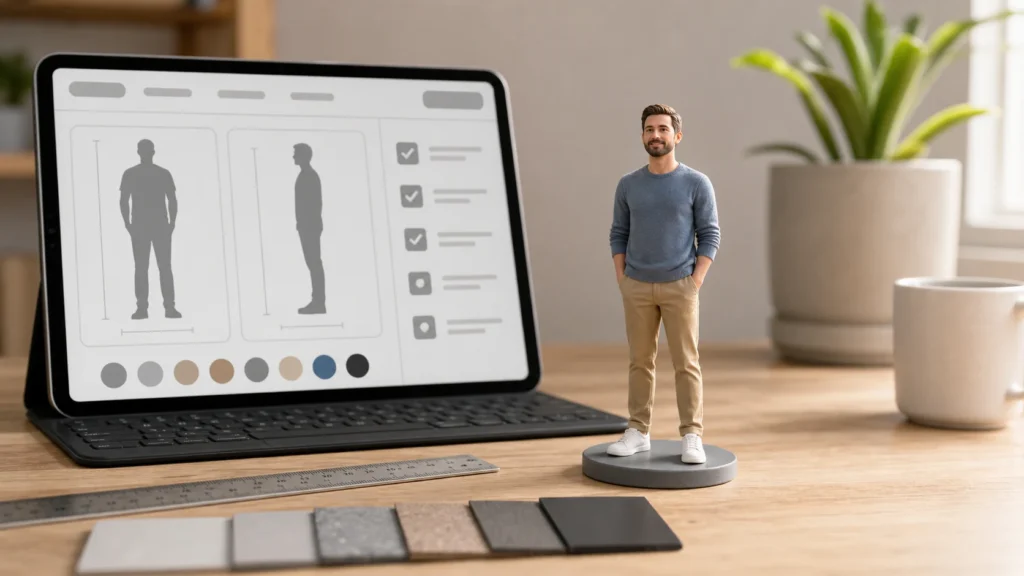
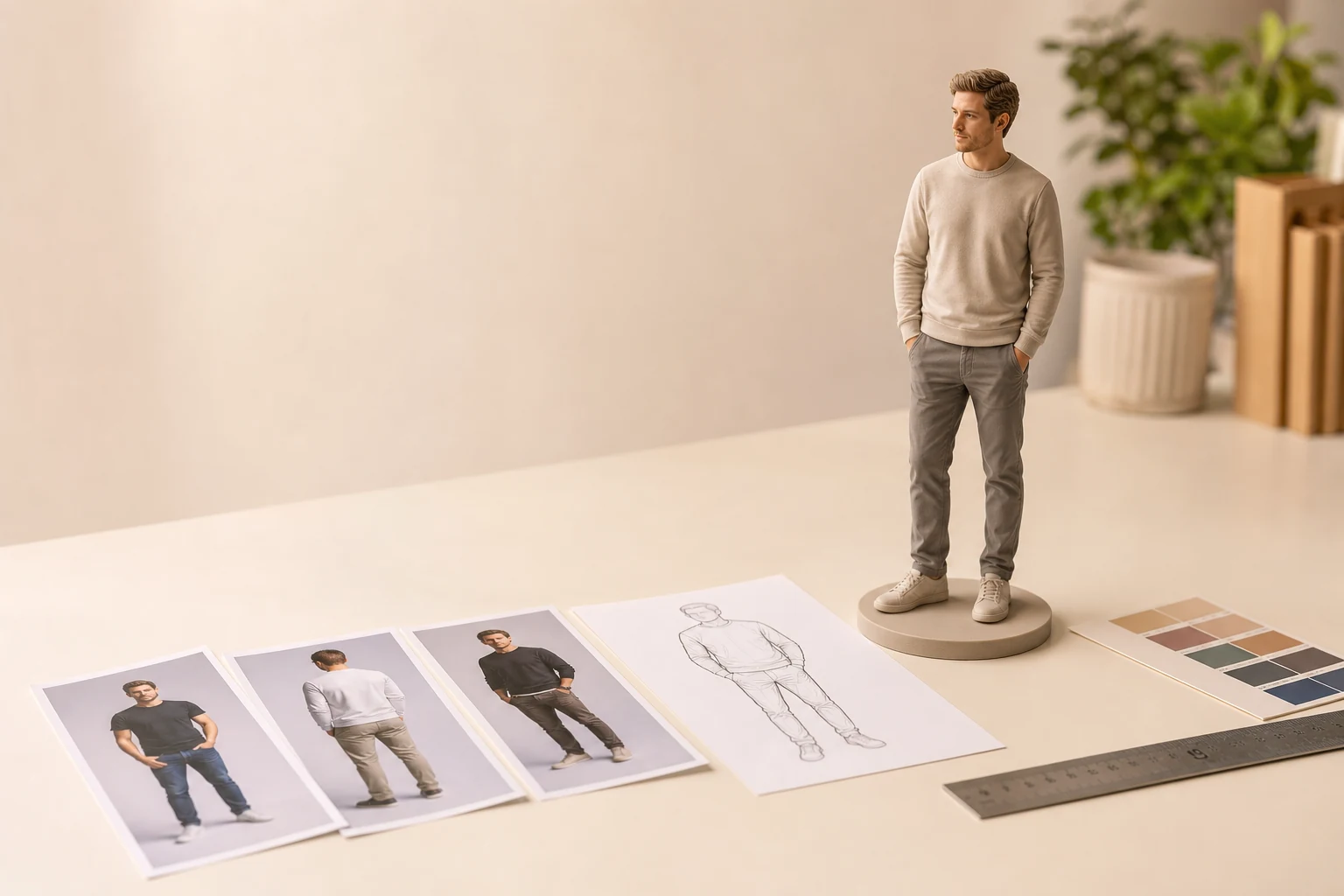
Custom 3D figurines turn a person, couple, pet, or character idea into a physical object, but the best results begin before sculpting. Choose the visual style, pose, and photo references together so the finished figure has a clear identity instead of a pile of competing details.
This guide explains how to make those decisions, what to send with an order brief, and when a full-body photo-based figurine is a better fit than a flatter or more stylized keepsake.
Start with the feeling you want the figure to convey
Before choosing a pose or uploading photos, decide what the figurine should communicate. A relaxed desk figure may need a simple stance and a recognizable outfit. A milestone gift may work better with a meaningful gesture, uniform, instrument, or prop. A playful family keepsake may benefit from a more expressive style and a shared scene.
Write down the two or three details that matter most. They might be a hairstyle, glasses, a favorite jacket, a petu2019s markings, or the way someone stands. This priority list helps the maker simplify small elements without losing the character of the reference.
Choose a style that matches the subject and display space
Style changes how likeness is expressed. Realistic custom 3D figures usually depend more on facial proportions, clothing, and natural posture. Cartoon and chibi approaches can emphasize expression, silhouette, and personality with simplified features or larger head proportions. An anime-inspired treatment may put more attention on hair, costume shapes, and an energetic pose.
- Realistic: best when natural proportions, clothing, and a quiet display presence matter most.
- Cartoon: useful for a friendly, giftable interpretation with clearer shapes and expression.
- Chibi: a good choice when you want cute proportions, a compact footprint, and an immediately playful look.
- Character-led: suitable when the outfit, hobby, profession, or original character concept is more important than an exact portrait.
Look at the space where the finished piece will live. A narrow shelf favors a compact silhouette and a stable base. A display case may give you room for a more dynamic pose or prop. If the figure is a gift, choose a style that feels like the recipient rather than simply selecting the most detailed option.
How to choose a pose for a custom 3D figurine
A pose is both a storytelling choice and a practical design constraint. A neutral standing pose is easy to recognize and place on a desk. A seated pose can feel relaxed and personal. An action pose, wave, head tilt, or familiar gesture may say more about the subject, but it needs better references and careful balance.
Match the pose to the available evidence
Choose a pose that your photos can actually explain. If you want a specific stance, provide an image showing the legs, arms, body angle, and clothing clearly. When the exact pose is not available, send a pose reference separately and label it as the posture to followu2014not the person to copy.
Keep props selective
One meaningful prop can make a figure more personal: a musical instrument, camera, sports accessory, book, or work tool. Too many objects can hide the silhouette and make the miniature harder to read. List the essential prop first, then mark anything optional in your brief.
Prepare photo references that answer design questions
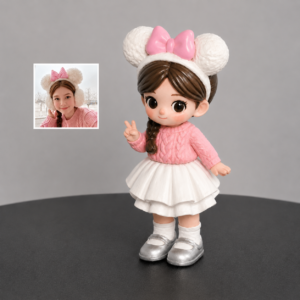
For photo-based custom 3D printed figurines, use several images with clear jobs rather than many similar snapshots. A full-body photo shows proportions, stance, and outfit. A front or three-quarter portrait helps with the face, hair, and expression. Side or back views clarify a hairstyle, jacket, bag, tail, or other detail that disappears from the front.
- Use sharp, well-lit images without heavy filters.
- Include at least one full-body view for a full-body figure.
- Add a close-up for glasses, jewelry, markings, footwear, or another important detail.
- Label which photo controls the face, clothing, pose, colors, and accessories.
- Explain which features are most important when references come from different dates.
Avoid relying on a single cropped portrait for a full-body design. It may show the expression well but leaves too many unanswered questions about height, clothing, stance, and proportions. If you only have one image, describe the missing elements plainly and expect the maker to confirm what is possible.
Turn your choices into a clear order brief
A useful brief is short, specific, and prioritized. Start with the subject and desired style, then describe the pose, outfit, important details, approximate display context, and finish preference. Mention whether the piece is intended as a gift, desk figure, shelf display, or collectible so the design can be discussed in the right context.
- State who or what the figure represents.
- Name the preferred style in descriptive language, such as realistic, cartoon, or chibi.
- Describe the pose and identify any separate pose reference.
- List the one to three details that must be preserved.
- Note the display location, size preference, base, prop, and desired finish.
If you are comparing custom 3D figures from different makers, ask how they handle unclear references, revisions, scale, bases, painting, and complex poses. A clear process matters as much as an attractive sample because it tells you how design decisions will be confirmed before production.
A direct GetFigmo option for photo-based figures
GetFigmou2019s Custom 3D Printed Figurine From Your Photo is a direct fit when you want a full-body resin figure based on a personu2019s photo, outfit, pose, and personal style. The product page describes full-body sculpting, resin printing, and hand-finished details. Use the order brief to explain which style, pose, references, accessories, and display details should guide the design.
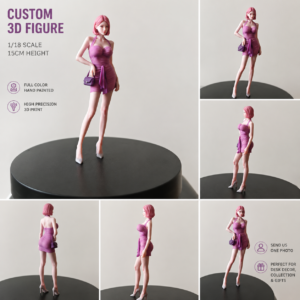
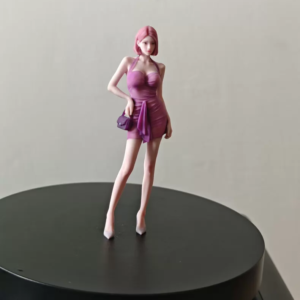
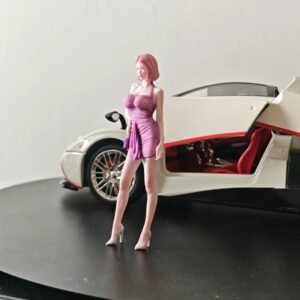
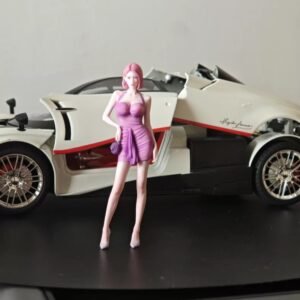
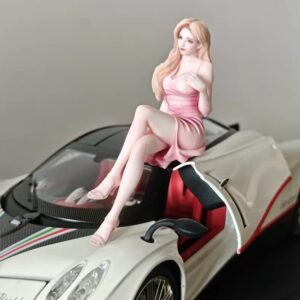
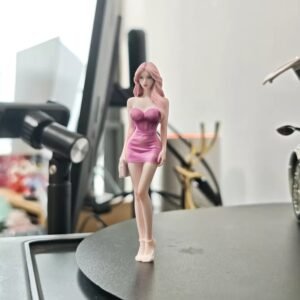
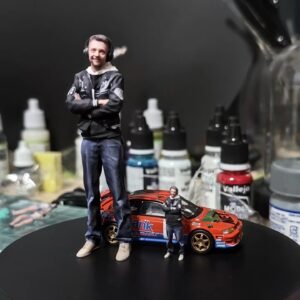
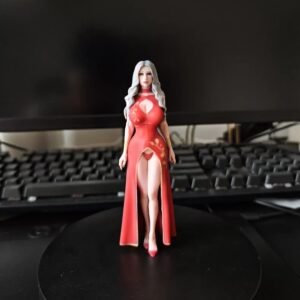
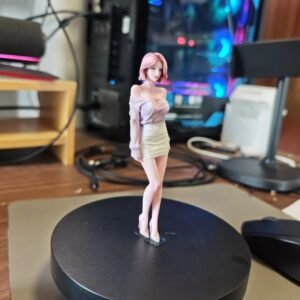
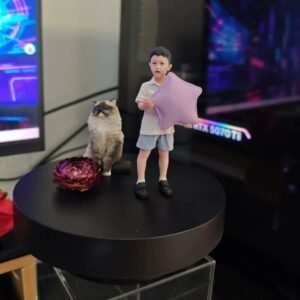
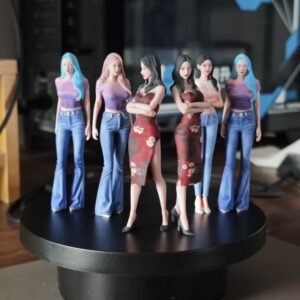
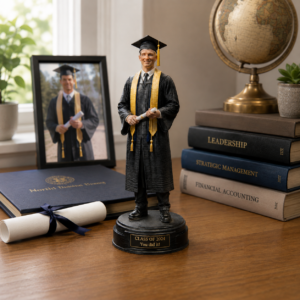
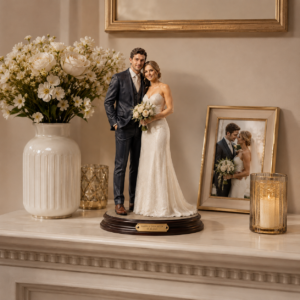
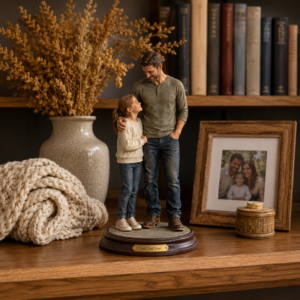
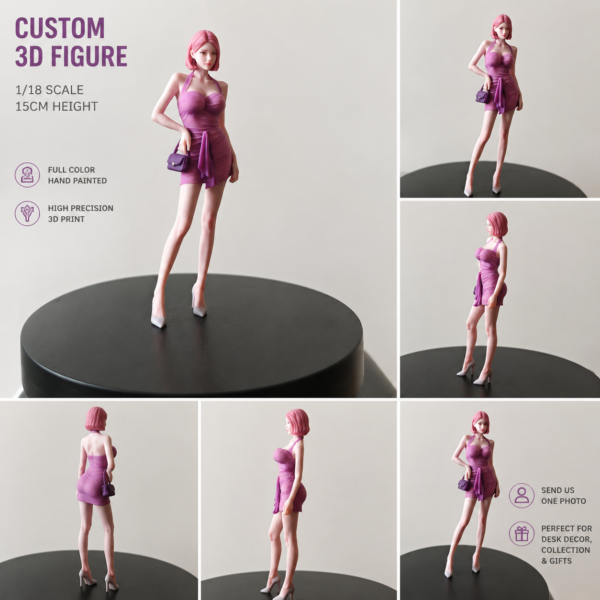
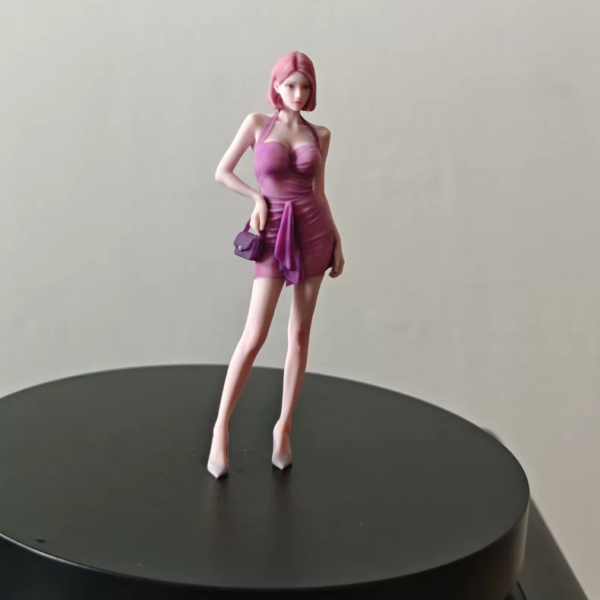
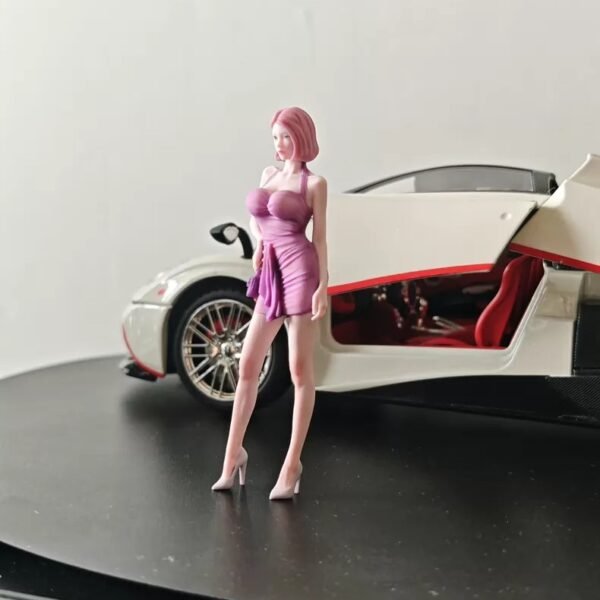
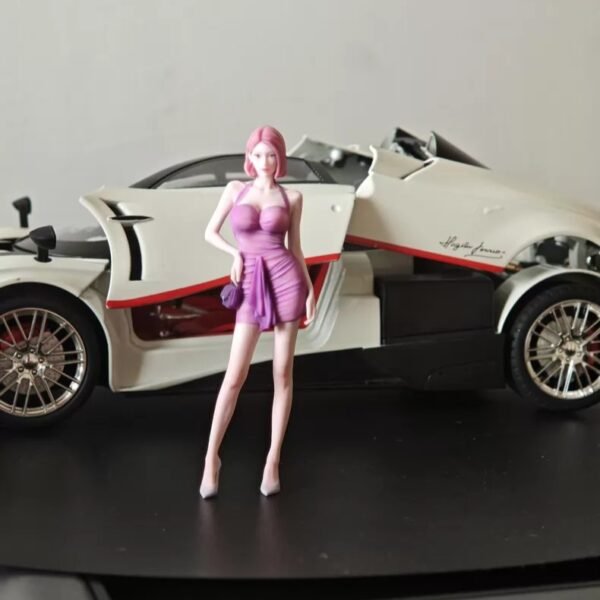
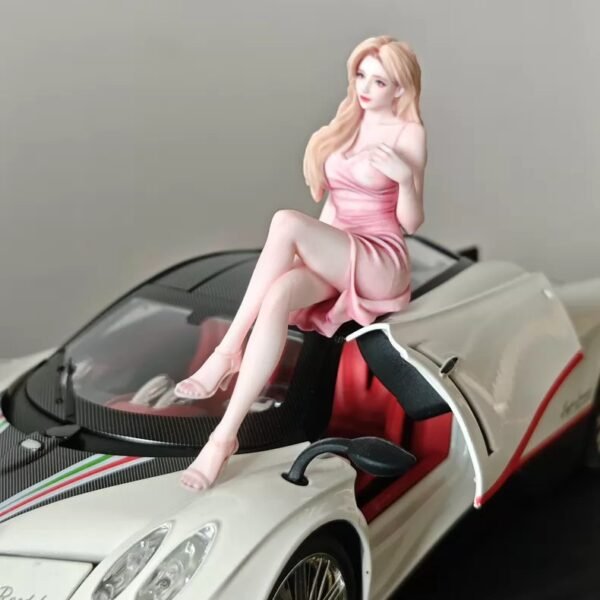
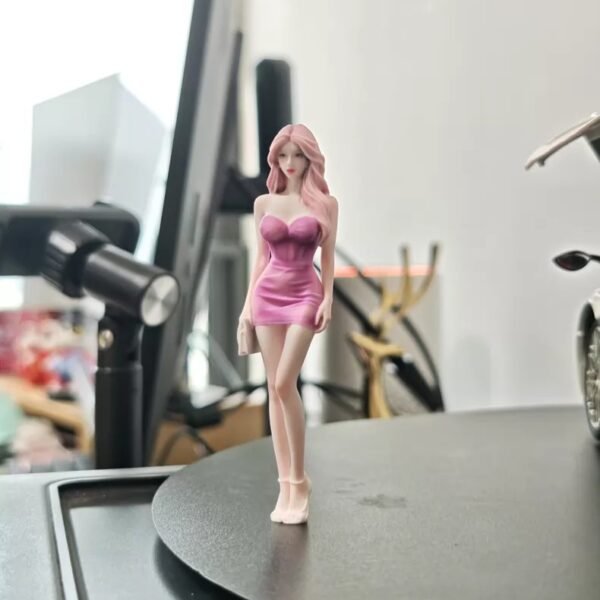
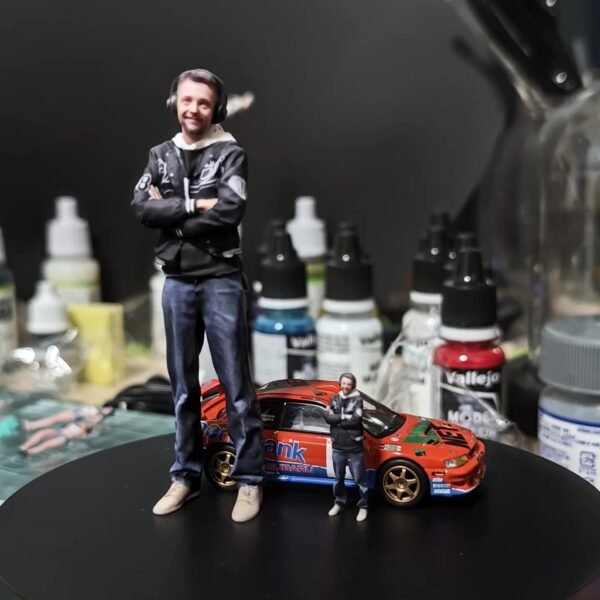
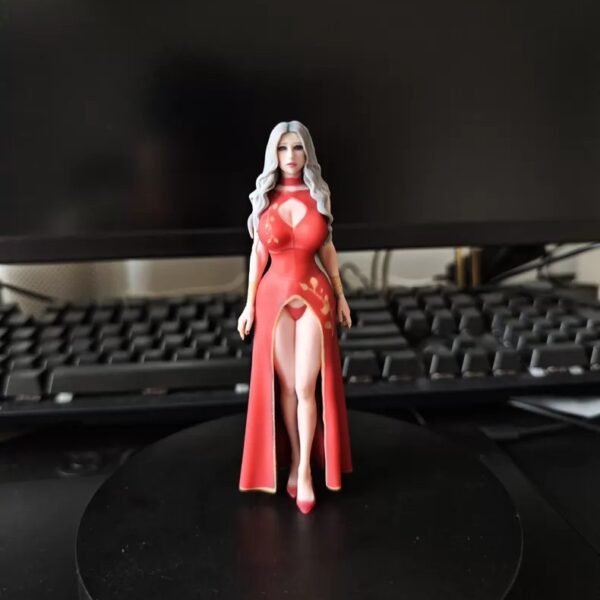
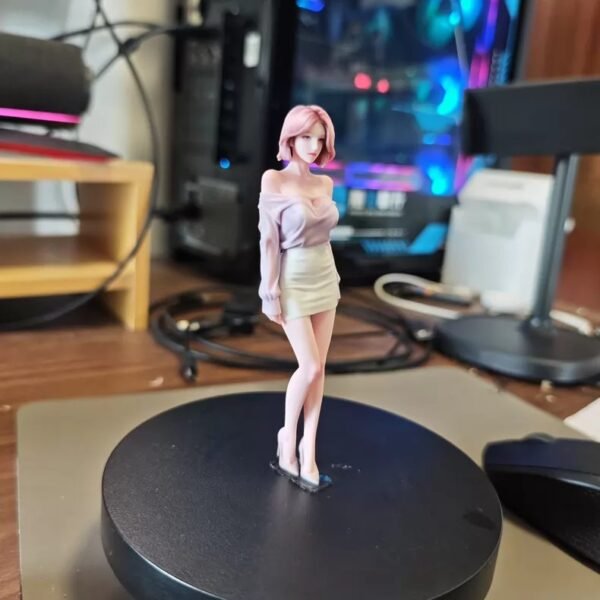
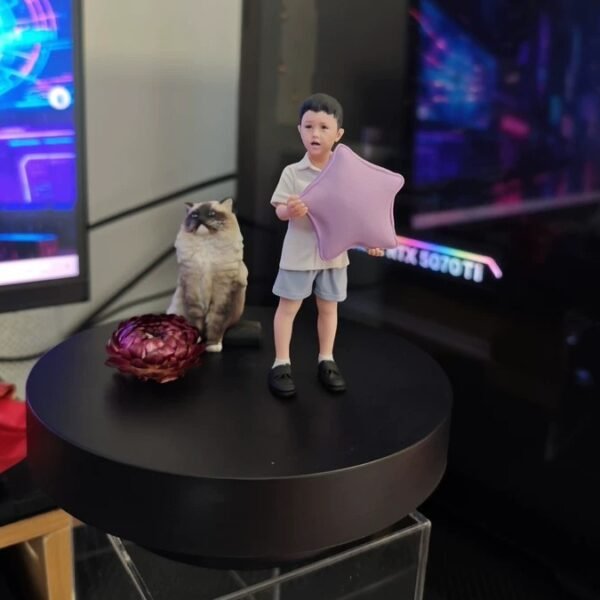
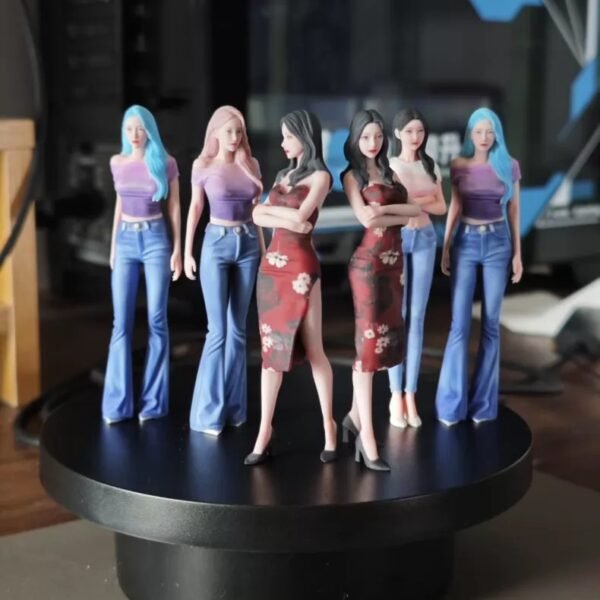
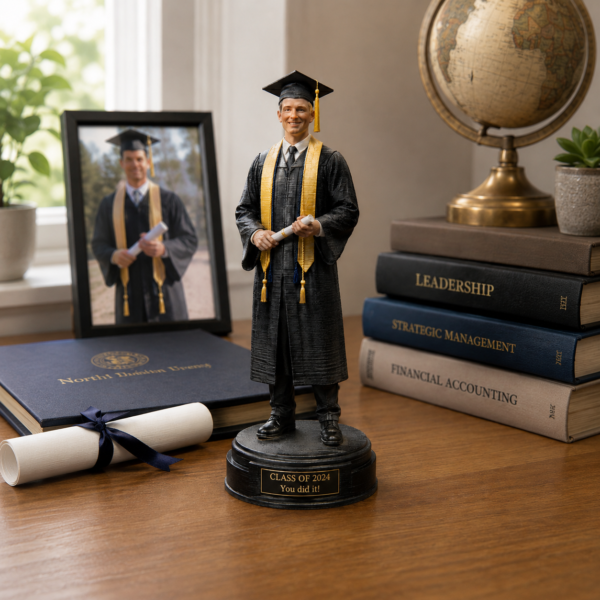
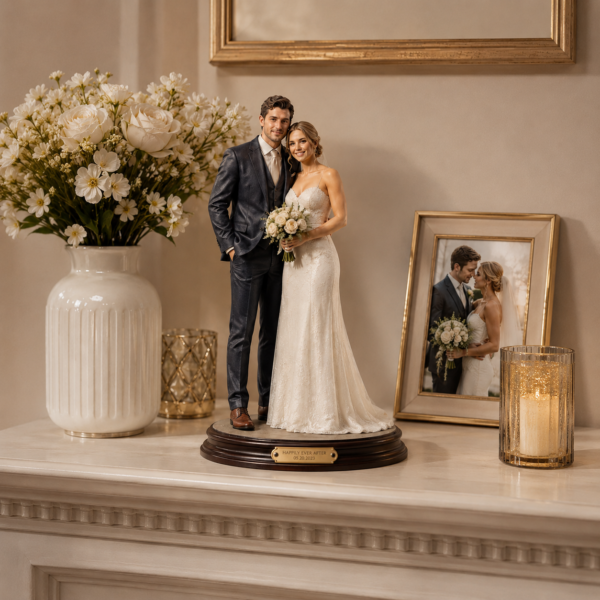
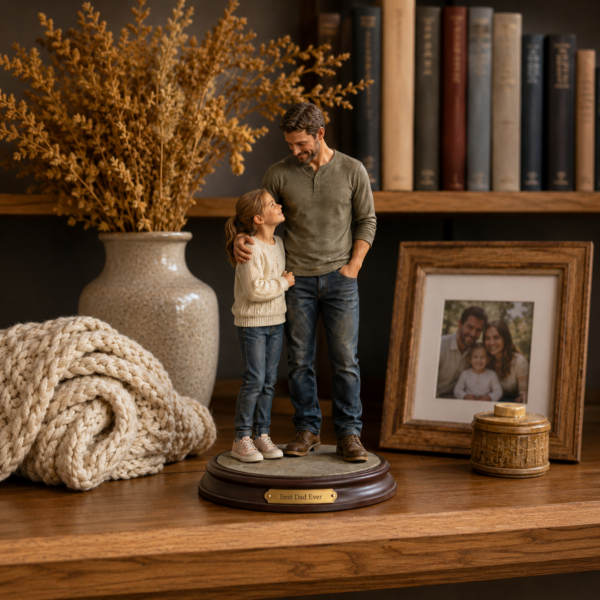
Custom 3D Miniature Figure from Photo – Personalized Mini Me Figurine (Message for Quote)
Custom 3D miniature figure made from your photo. Full-color printed mini me figurine with realistic detail. A personalized gift for any occasion.
When another format may be a better fit
A full figurine is not the only way to turn a reference into a 3D keepsake. A chibi figure may suit a compact, playful gift. A relief portrait or photo frame can work when the face and original image matter more than a full-body pose. A keychain or magnet may be more practical when the recipient wants something portable.
Choose the format that matches the story and the space. If the important idea is u201cthis person in that outfit and moment,u201d a full-body figure gives the design room to show it. If the important idea is a face, pet marking, or single image, a smaller or flatter format may communicate it more clearly.
Custom 3D figurines checklist
- Have I chosen a style that fits the subject and recipient?
- Can my photos show the pose, proportions, outfit, and important details?
- Have I separated the person reference from any pose or prop reference?
- Which two or three features must the finished piece preserve?
- Where will the figurine be displayed, and how much room is available?
- Have I explained the desired finish, base, accessories, and gift timing?
The strongest brief does not try to control every tiny detail. It gives the maker a clear subject, a workable pose, useful references, and a short list of priorities. With those decisions made first, your personalized 3D figurines project is much more likely to feel intentional from every angle.
Ready to plan yours? Review the custom figurine from photo product and prepare references that show the person, style, pose, and details you want to remember.