3D Printed Couple Figurines: A Photo-to-Keepsake Guide for Two-Person Designs
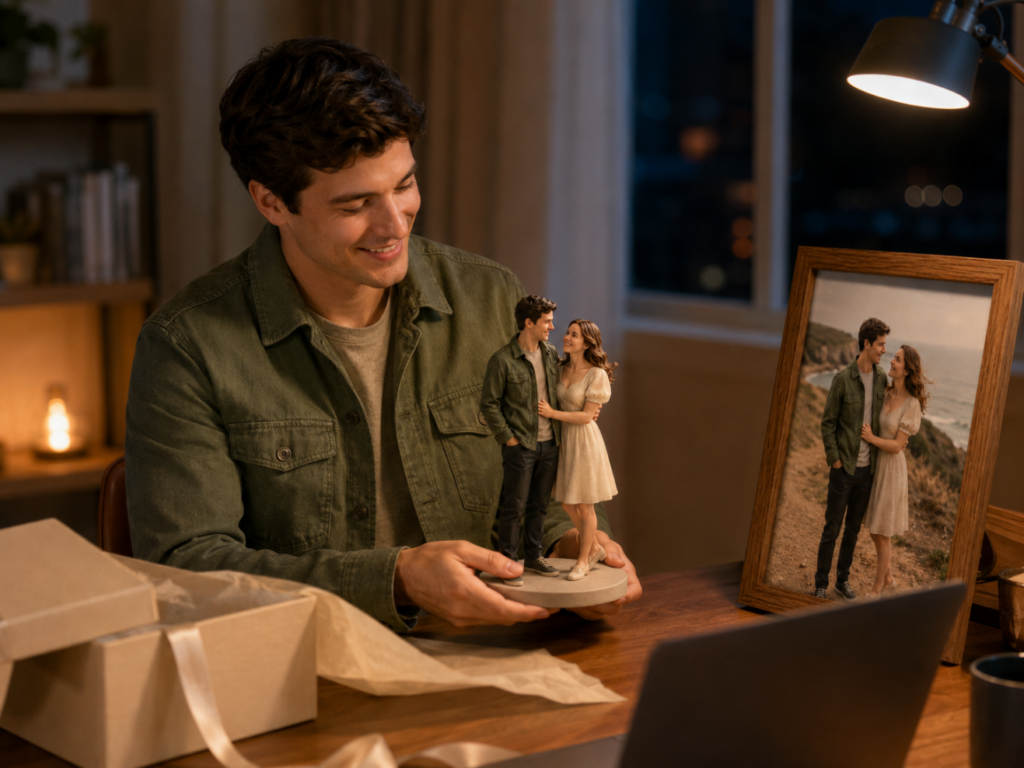
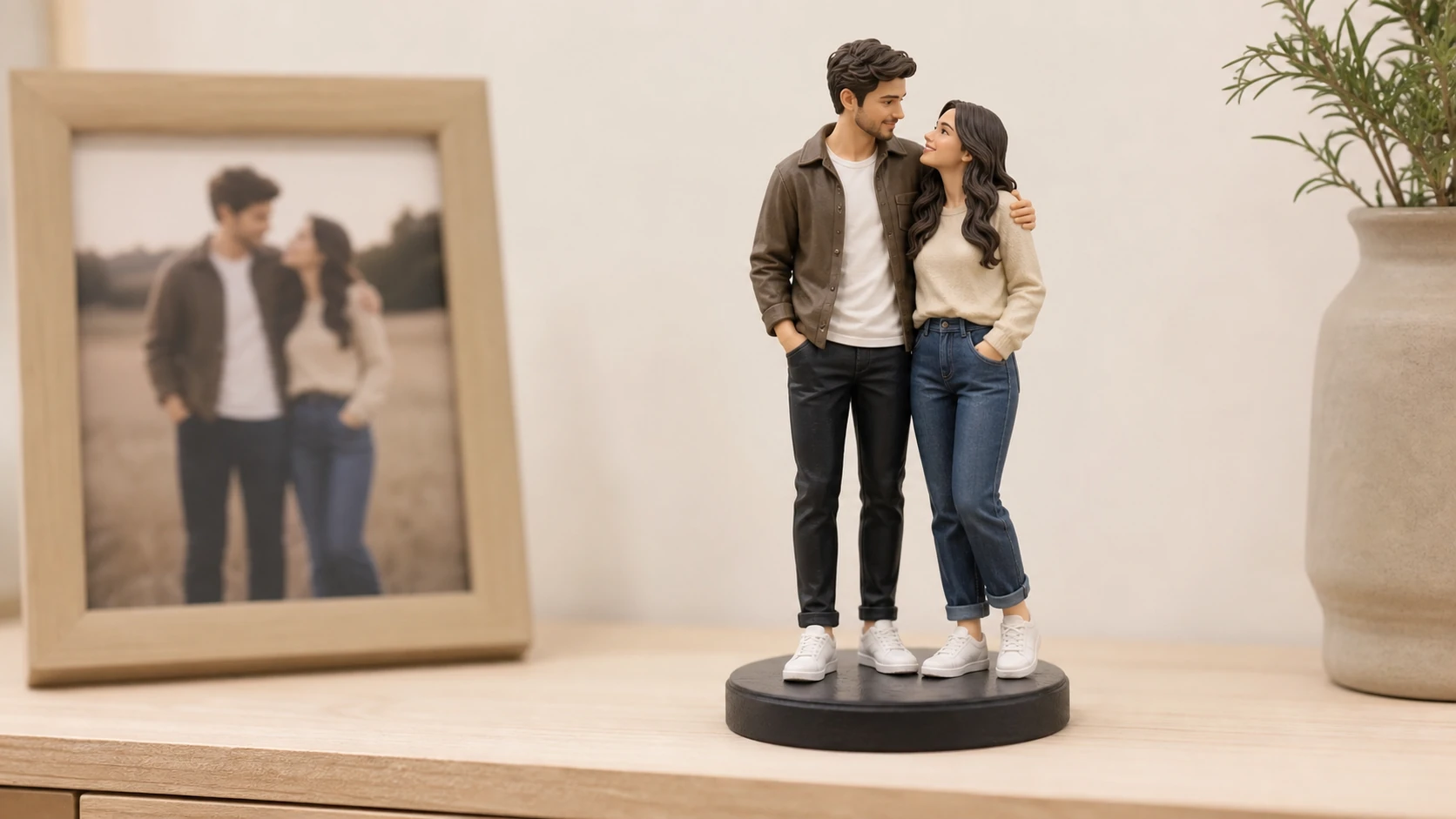
A 3d printed couple figurine feels personalized when it captures the relationship between two people, not just two separate faces. The strongest briefs explain how the pair should stand, look, gesture, dress, and share the same small display space. This guide covers the decisions that make a two-person design readable and meaningful without turning it into a wedding topper or a generic romantic gift list.
The key question is simple: What makes a couple figurine feel personalized? Usually, it is the combination of recognizable facial details, a shared pose, and a few carefully chosen visual cues—such as clothing, a hobby, or a modest prop—that belong to the two people being represented.
Begin with the relationship between the two figures
Before collecting images, describe the connection you want the finished piece to show. Are the figures standing shoulder to shoulder, walking together, sitting side by side, or sharing a small gesture? A one-sentence description gives the designer a clearer starting point than a request to “make a couple figure” on its own.
Think about the mood as well. Relaxed, playful, supportive, adventurous, and quietly affectionate can all be expressed through distance, head direction, hand placement, and posture. The goal is not to stage an elaborate scene. It is to make the pair look like they belong together.
One shared photo or separate references?
One shared photo is useful when it already shows the relationship clearly. It can reveal relative height, shoulder position, the distance between the figures, and the gesture you want to preserve. A photo where both faces are visible and the bodies are not heavily blocked by other people is often the most efficient starting point.
Separate references can be better when the shared photo is distant, blurry, poorly lit, or missing important details. Use one clear portrait or three-quarter view for each person, then add a shared image that shows the intended relationship and pose if you have one.
- Shared reference: best for overall spacing, body language, and a naturally connected pose.
- Separate references: useful for clearer facial features, hairstyles, glasses, and clothing details.
- Combined brief: explain which image controls the pose and which images clarify each person.
Do not send a pile of nearly identical photos without direction. Mark the strongest reference for each purpose and note the details that matter most. That makes it easier to balance likeness with a coherent two-person composition.
Plan height and pose as a pair
Height relationships should feel natural without making one figure disappear behind the other. If the people have noticeably different heights, a standing pose can show that difference clearly. If their heights are similar, a slight turn, staggered stance, or shared gesture can create separation without exaggerating the contrast.
Ask where each person’s weight is resting and whether the feet should be parallel, angled, or offset. A small gap between shoes can make the base easier to read. A linked arm or lightly touching shoulder can communicate closeness, while too much overlap may hide clothing and hands.
Use eye lines to create a believable exchange
Eye lines are one of the smallest details with the biggest effect. Both figures looking forward creates a straightforward portrait. Having one person look toward the other creates a sense of interaction. A shared gaze toward a prop or hobby can explain the scene without adding a large setting.
Keep the eye-line choice consistent with the gesture. If one person is looking at the other, a slight head turn or shoulder angle usually supports that idea better than two completely front-facing bodies. The design does not need to copy a photograph exactly; it needs to preserve the feeling of the moment.
Choose gestures that say something specific
Gestures help distinguish a personalized couple 3d print from two figures placed next to each other. Consider a hand on a shoulder, a linked arm, a shared wave, a high-five, or both people holding the same small object. Simple gestures tend to remain clearer at miniature scale than complicated hand arrangements.
Describe the gesture in plain language and identify what must remain visible. If one person is holding a camera, book, mug, instrument, or sports accessory, decide whether the prop is part of the story or merely background inspiration. When the brief prioritizes two or three meaningful details, the finished design is less likely to feel crowded.
Use clothing and hobbies as recognition cues
Clothing often carries more visual information than tiny facial details. Mention the jacket shape, hairstyle, glasses, hat, dominant colors, or another feature that makes each person recognizable. Generic, unbranded clothing can still communicate personality through silhouette and color.
Shared hobbies can add a personal touch, but they do not need to become a full scene. A small book, camera, plant, instrument, game controller, or cooking utensil may be enough to suggest an interest. Choose props that can sit securely on the base or be held without obscuring the faces and the relationship between the figures.
For a couple 3d print, coordinate rather than match everything. Similar color accents, complementary outfits, or one shared accessory can make the pair feel connected while keeping each person distinct.
Design the base and spacing for real display use
The base is part of the composition, not an afterthought. Decide whether the figurine will sit on a desk, shelf, cabinet, or another stable surface. Measure the available width and depth, then allow enough room for both figures to read from the usual viewing angle.
A simple base usually keeps attention on the people. If you want a small prop or scene cue, place it where it supports the pose rather than filling every open area. Consider how the figures will look from the front and from a slight angle. Good spacing should reveal the faces, hands, footwear, and the line of connection between the pair.
Keep faces readable at miniature scale
Facial personalization is more than copying every feature. Start with clear references and point out the traits that should read first: hairstyle, glasses, facial hair, smile, face shape, or a familiar expression. A straight-on image can clarify the face, while a three-quarter view can help with profile and hair volume.
Remember that a small cartoon-style figure simplifies detail. A strong silhouette, readable hair, and a deliberate expression may communicate more than tiny surface marks. If a feature is essential, say so in the brief and provide a close, well-lit reference.
How GetFigmo’s couple-capable figurine fits this brief
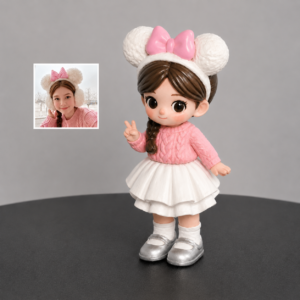
GetFigmo’s Custom 3D Cartoon Character Figurine From Your Photo is a natural fit for a two-person design because its live product description supports people, couples, and families, along with custom poses, outfit notes, props, and other personal details. It also describes a hand-painted resin figure with a cartoon look. Share the clearest references and explain the relationship, spacing, and must-keep details before requesting a quote.
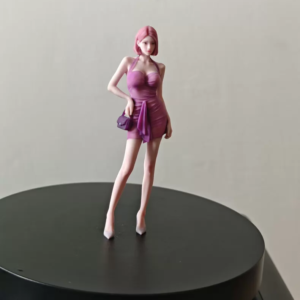
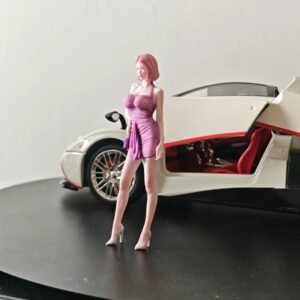
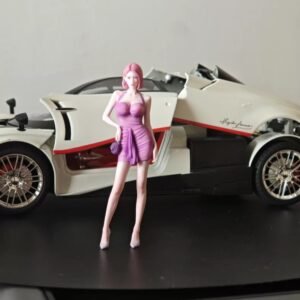

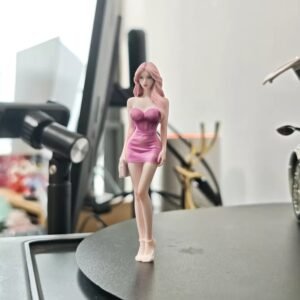
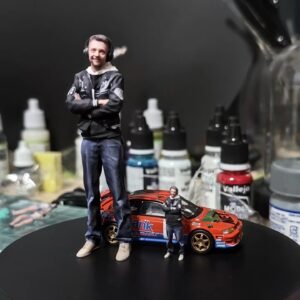
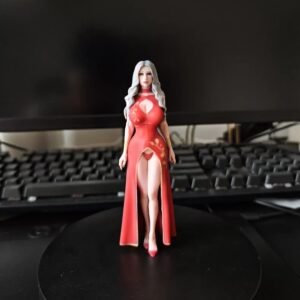
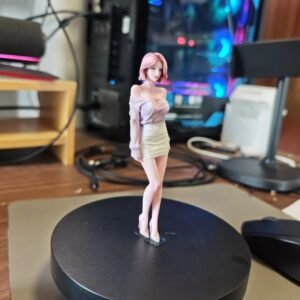
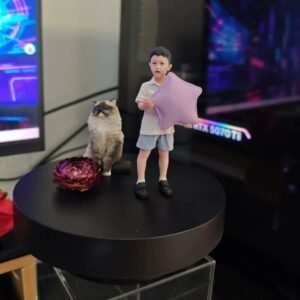
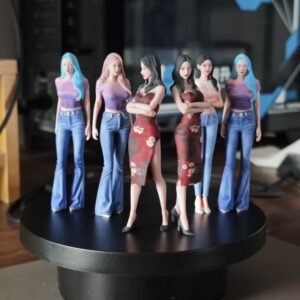
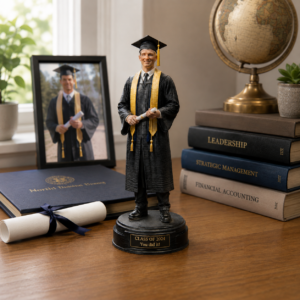
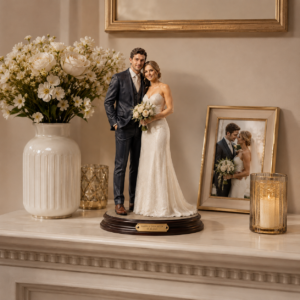
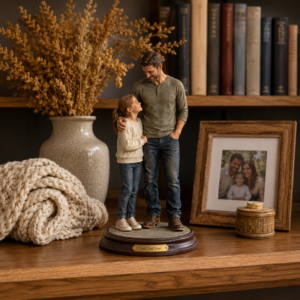
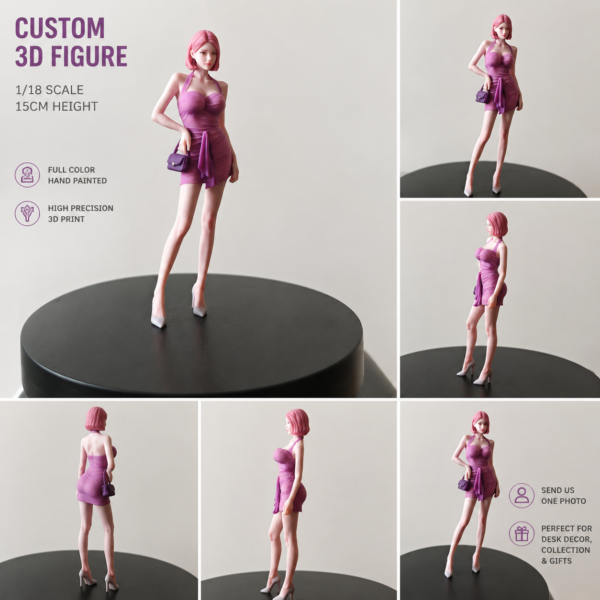
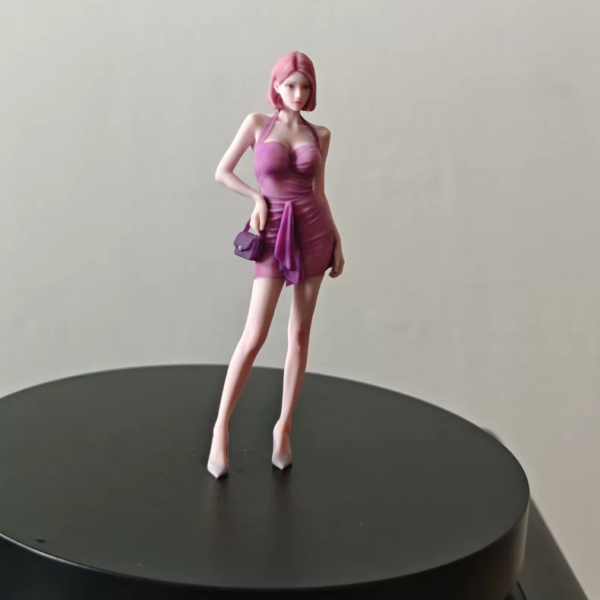
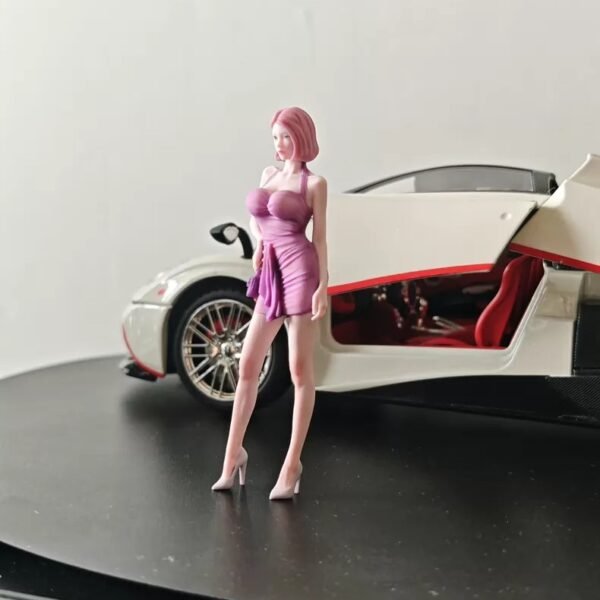
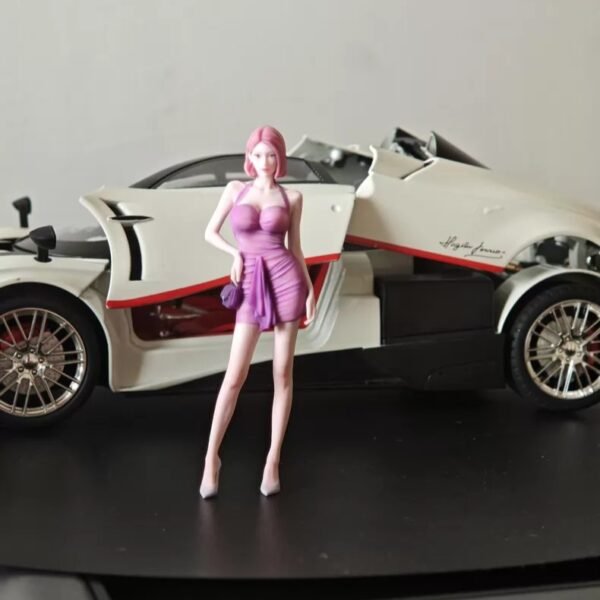
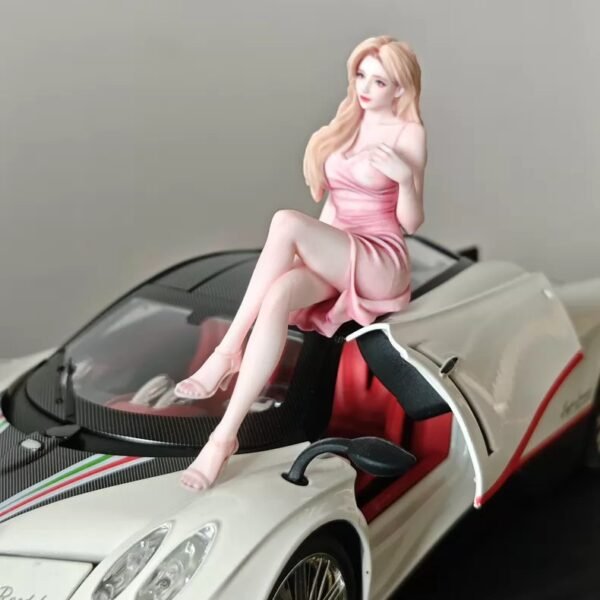
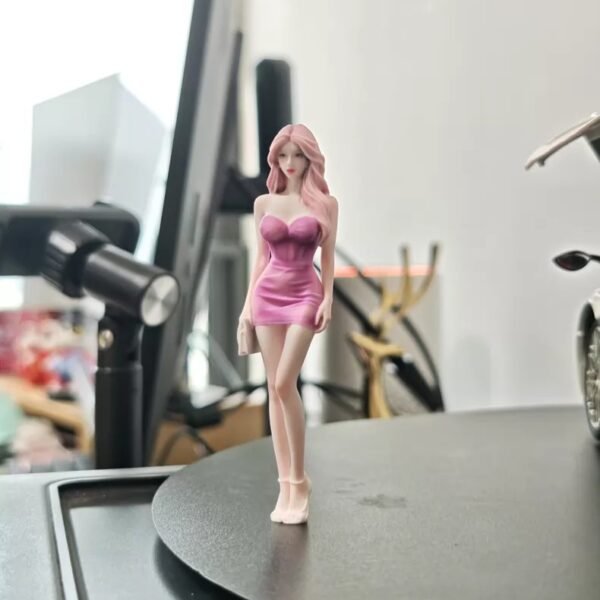
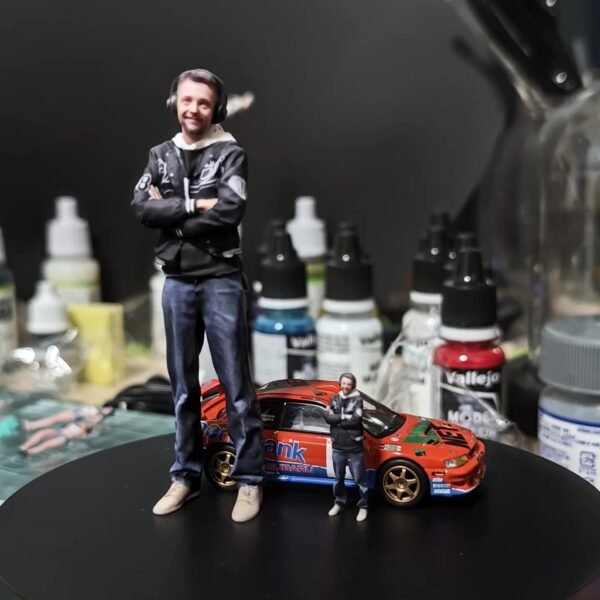
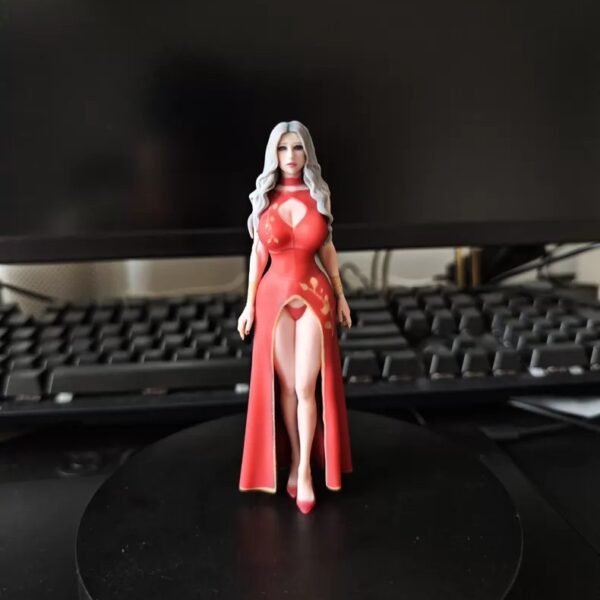
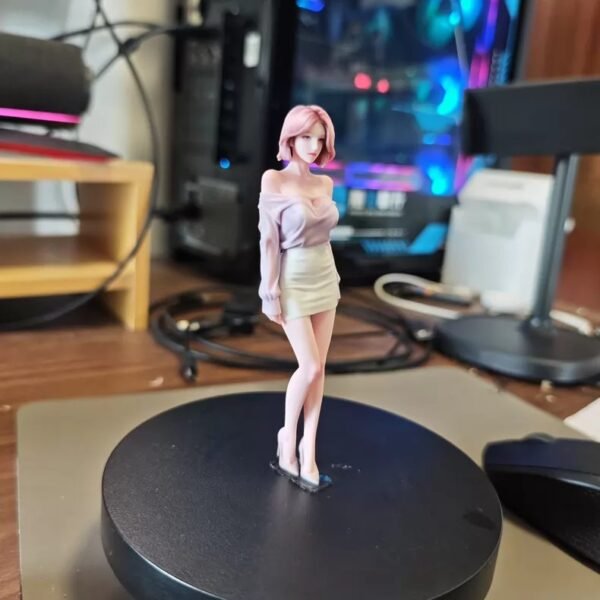
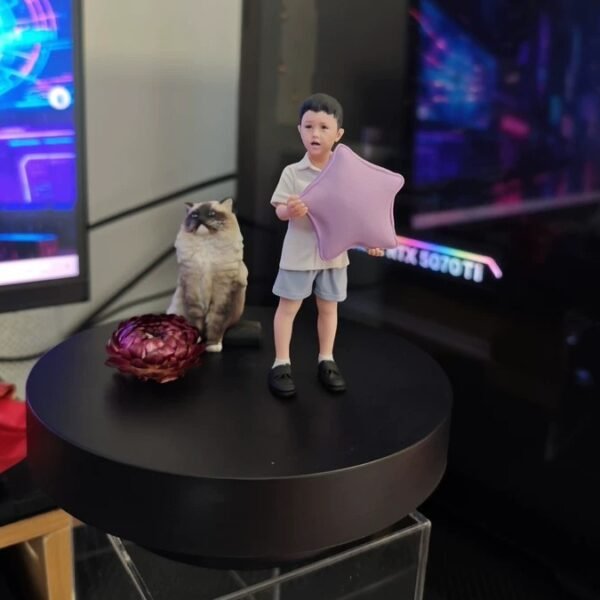
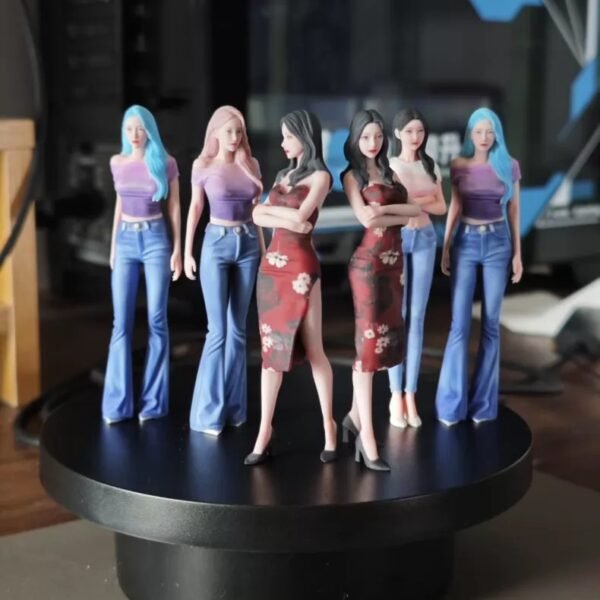
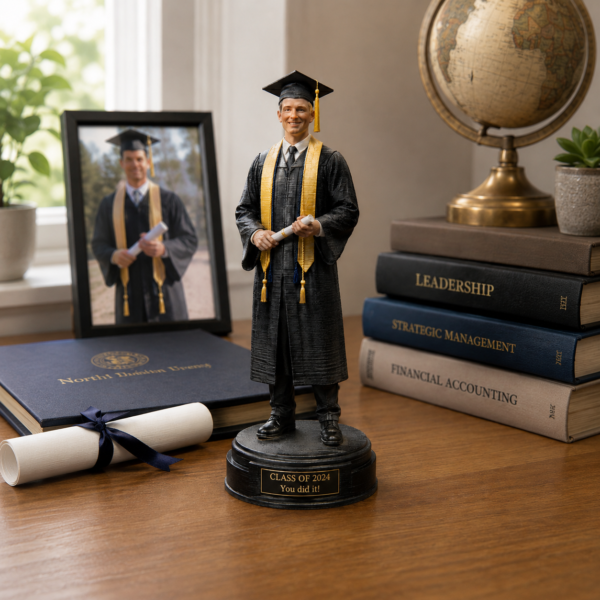
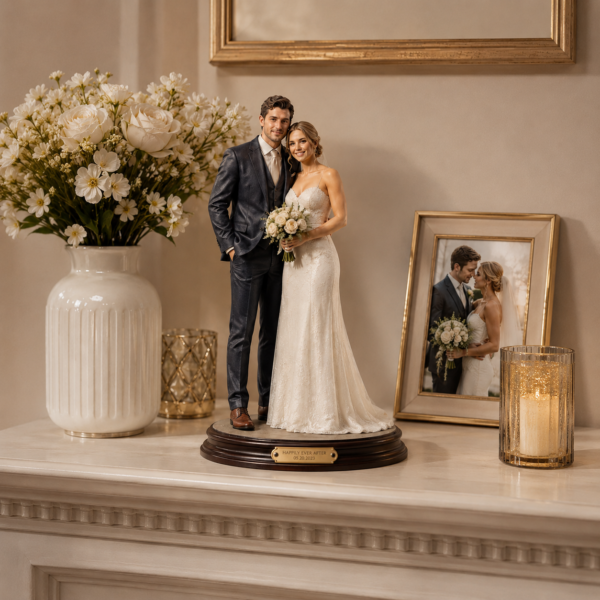
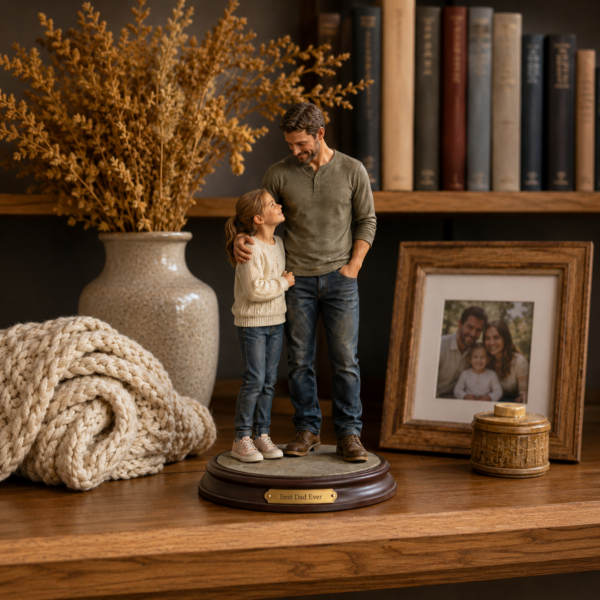
Custom 3D Miniature Figure from Photo – Personalized Mini Me Figurine (Message for Quote)
Custom 3D miniature figure made from your photo. Full-color printed mini me figurine with realistic detail. A personalized gift for any occasion.
Distinguish a keepsake from a cake topper
A display keepsake is planned around shelf or desk viewing, facial readability, and a stable base. A 3d wedding topper is a different format with different placement and event-specific constraints. If your goal is a lasting two-person portrait, describe the design as a display figurine and focus on the people, pose, and everyday viewing angle rather than treating the article as a cake-topper guide.
Final two-person design checklist
- Choose one shared photo, separate references, or both, and label the purpose of each.
- Describe height relationship, stance, body angle, eye lines, and the main gesture.
- List the facial, hairstyle, clothing, and accessory details that matter most for each person.
- Select only understated hobbies or props that support the story and remain readable.
- Measure the display area and decide how much base and spacing you need.
- State the preferred mood, viewing angle, and any details that may be simplified.
- Use references you created or have permission to provide.
A personalized two-person figurine works best when the brief gives equal attention to the relationship and the individuals. Start with a clear shared idea, use separate photos where they improve facial readability, and keep the base, pose, and props coordinated. That is how a custom 3d printed souvenirs concept becomes a display piece that feels like the two people it represents.
Ready to plan your pair? Send your photo references to GetFigmo with the pose, clothing, gesture, and display notes you want to discuss.