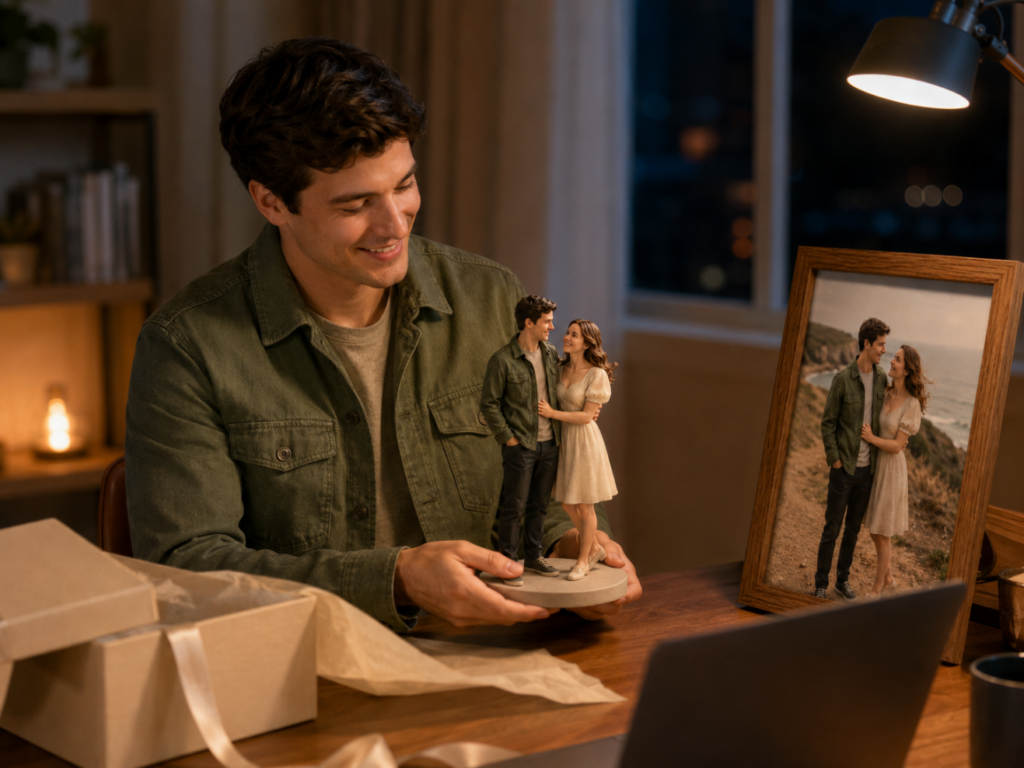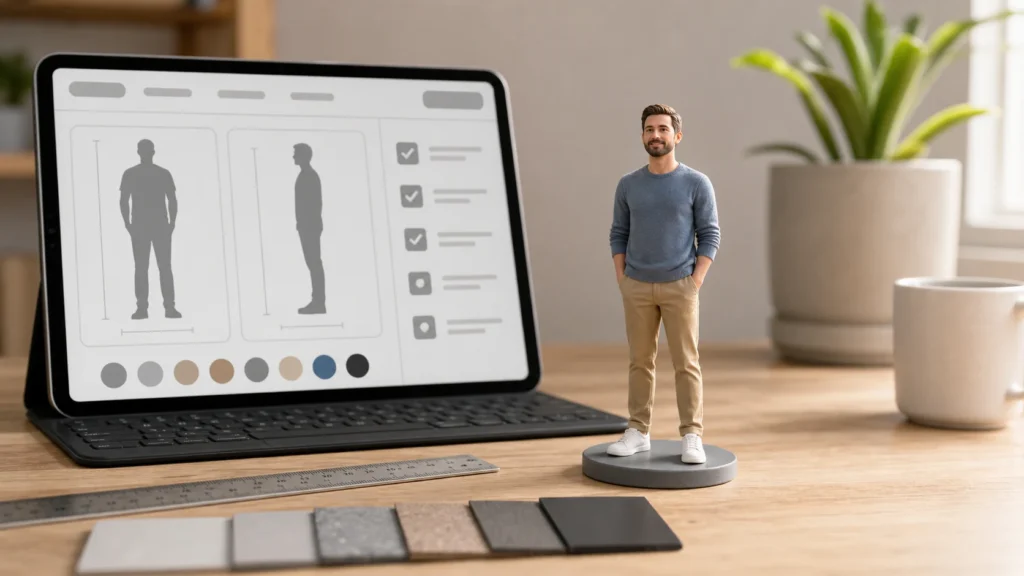
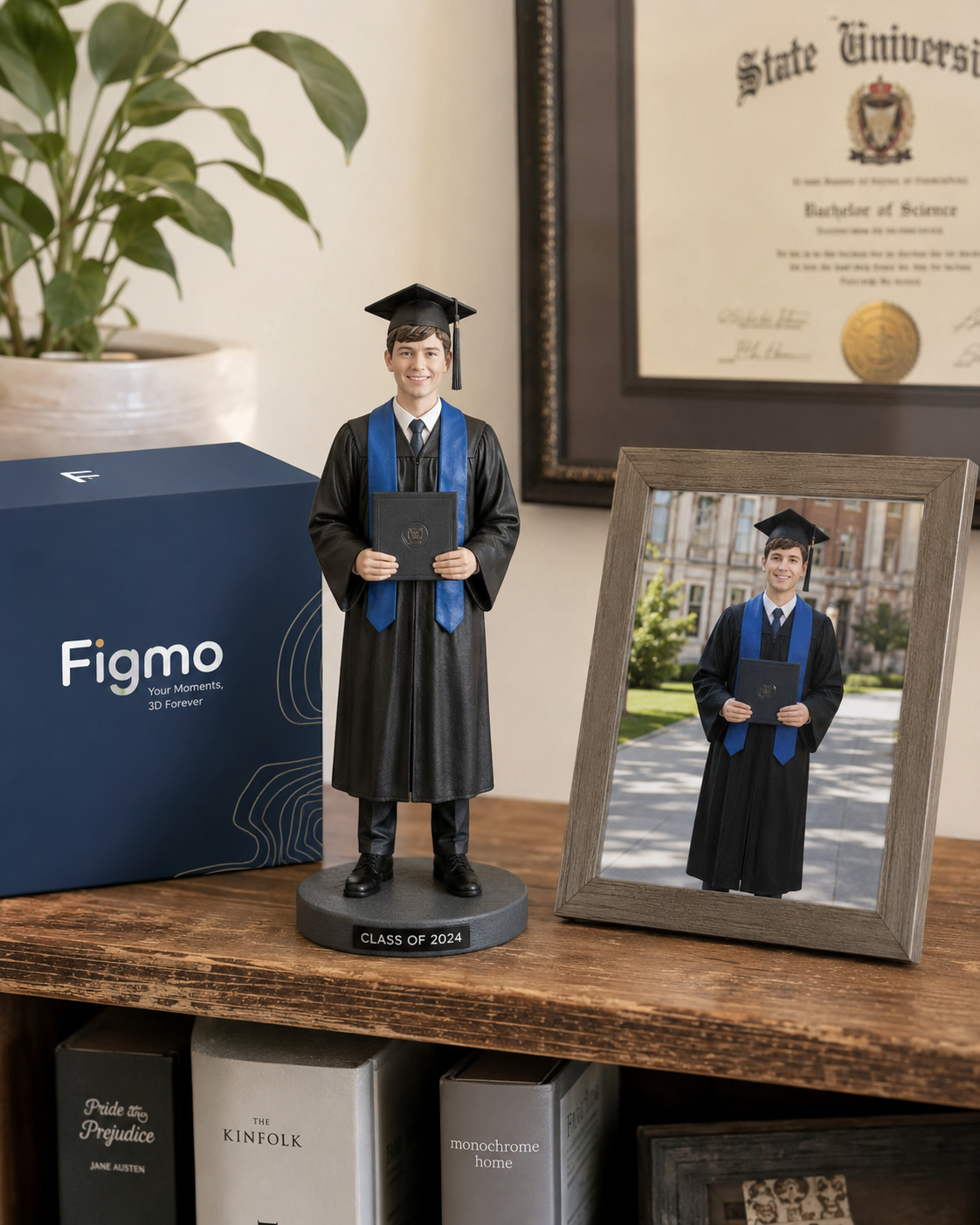
3D printed portraits turn a reference photo into a three-dimensional display figure rather than a flat image. The key decision is not simply whether the figure looks realistic; it is whether the finished piece communicates the person clearly through its face, silhouette, clothing, pose, and viewing angle.
This guide focuses on the portrait/display format: how to choose reference photos, which details deserve priority, how to compare a full-body figure with a relief or flat photo gift, and what to clarify before ordering. It complements GetFigmo’s broader 3D figurine from photo ordering guide by concentrating on the visual decisions that make a portrait figure read well on a shelf or desk.
What makes a 3D printed portrait different?
A flat portrait preserves one framed view. A 3D printed portrait adds depth, a side profile, clothing volume, and a physical stance. That extra dimension can make the piece feel more like a small display object, but it also means the reference brief has to answer more questions than a single front-facing image does.
- Face: Which expression, hairstyle, and face angle are most important to recognize?
- Silhouette: What should viewers notice from a few feet away?
- Pose: Should the figure stand naturally, hold a meaningful prop, or use a gesture that reflects the subject?
- Clothing: Which layers, colors, or accessories help communicate the person?
- Display: Where will the piece sit, and which sides will viewers normally see?
Thinking through those questions early helps avoid treating a portrait figure like a photograph that can simply be copied from one angle.
Choose the right portrait format
Before comparing makers, decide what “portrait” means for your project. A full-body figure is useful when posture, outfit, and stance are part of the memory. A bust or upper-body concept can put more attention on the face and shoulders. A relief portrait or photo frame may be a better fit when you want a flatter object with a single viewing direction.
For a three-dimensional display figure, ask whether the subject will be seen from the front only or from several sides. A full-body resin statue can show more context than a flat photo gift, but it also needs a stable footprint and enough space around the figure. The best format is the one that matches the story you want the object to tell.
Reference photos: give each image a job
A strong reference set does not need dozens of nearly identical pictures. It needs clear images that resolve different design questions. Label the photos so the maker can distinguish identity references from pose or clothing references.
- Face reference: Use a sharp front or three-quarter image with useful light and an unobstructed view of the face.
- Full-body reference: Show posture, proportions, shoes, clothing length, and the natural stance.
- Pose reference: If the desired gesture comes from another image, label it separately and explain what should be borrowed.
- Detail reference: Add close-ups for glasses, jewelry, hair texture, uniforms, instruments, or other details that carry meaning.
- Side or back reference: Include one when the hairstyle, bag, jacket, or another important feature is hidden from the front.
If an image is blurry, heavily filtered, or cropped at the shoulders, do not rely on it for details that must appear on a full-body figure. A clear primary photo plus a few purposeful supporting images is usually easier to interpret than a folder without notes.
Prioritize the details that survive at small scale
Every miniature portrait involves choices about emphasis. Tiny patterns and subtle expressions may need simplification, while a distinctive hairstyle, jacket shape, glasses, or prop may remain visually important. List the two or three details that would make the figure feel personal if everything else had to be reduced.
Color can help separate forms. A dark top against dark hair may merge into one shape, while a strong contrast between the main clothing areas can make the pose easier to read. Describe the colors that matter most and identify which small elements are optional. This gives the artist a useful hierarchy when the design must balance recognizable detail with a clean silhouette.
Pose and base decisions for a display figure
A relaxed standing pose is often a practical choice for a desk or shelf because it gives the figure a straightforward footprint. A walking pose, raised arm, long accessory, or leaning stance can communicate more personality, but it may need additional support and more careful planning.
Before approving the pose, consider:
- Which direction the figure will face most often.
- How much depth is available on the shelf or desk.
- Whether a prop strengthens the portrait or hides the body outline.
- Whether the feet, base, or support point look balanced from the main viewing angle.
- How the figure will be handled when it is moved or cleaned.
These are design considerations, not universal manufacturing promises. Ask the maker to confirm how the requested pose will be supported for your specific design.
How to compare a portrait figure with a flat photo gift
A 3D printed portrait is a good direction when you want volume, clothing shape, a physical stance, and an object that can be viewed from more than one angle. A flat print, relief, or photo frame may be more suitable when wall placement, a single image, or a smaller footprint matters most.
Use this simple comparison:
- Choose a full-body figure when posture, outfit, and the surrounding story are central to the memory.
- Choose a bust or portrait-focused design when the face and upper-body likeness should lead the composition.
- Choose a relief or flat photo product when you prefer a single front view and simpler placement.
The goal is not to choose the most elaborate format. It is to choose the format that preserves the details you and the recipient will actually value.
What to confirm before ordering
Once you have a format and reference set, clarify the practical brief. Confirm the intended size, pose, finish, base or support, important colors, and any accessory that must be included. If a deadline matters, ask about the current production and delivery expectations rather than assuming a date.
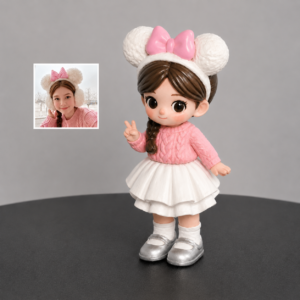
GetFigmo’s Custom 3D Printed Figurine From Your Photo is a direct fit for shoppers who want a photo-based full-body display figure. Its product description presents a resin statue with hand-finished details, so the most useful next step is to share clear references and explain which portrait details, pose, and display context matter most.
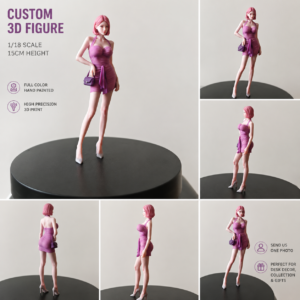
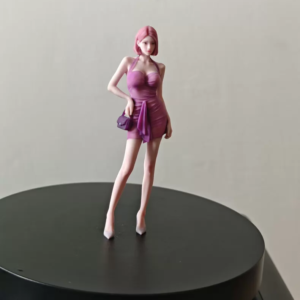
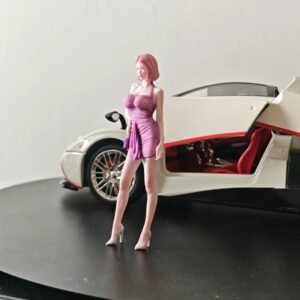
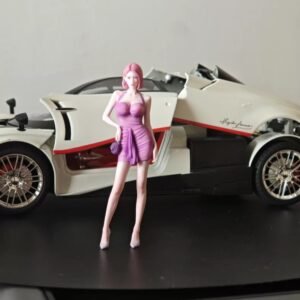
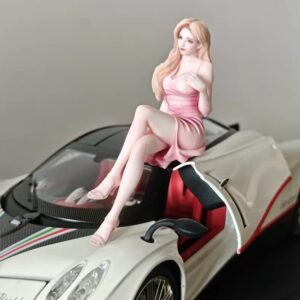
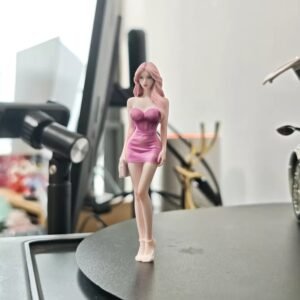
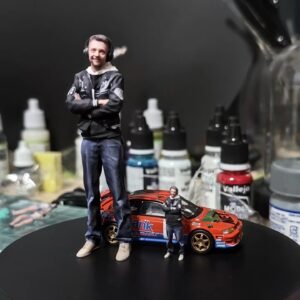
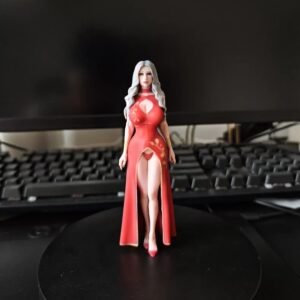
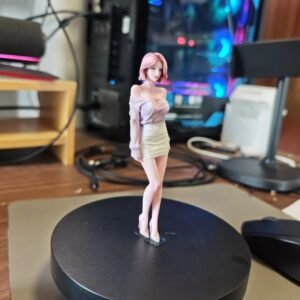
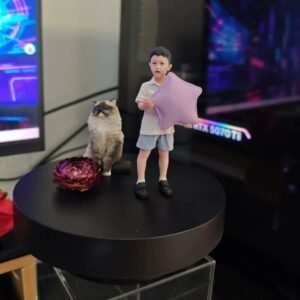
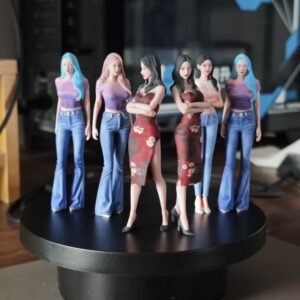
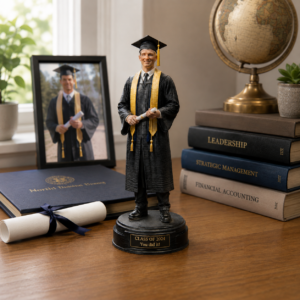
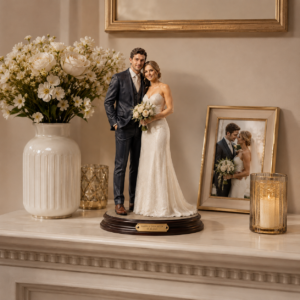
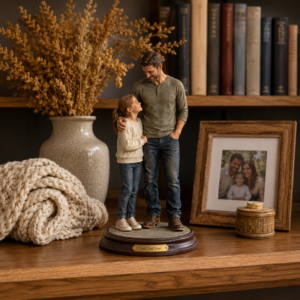
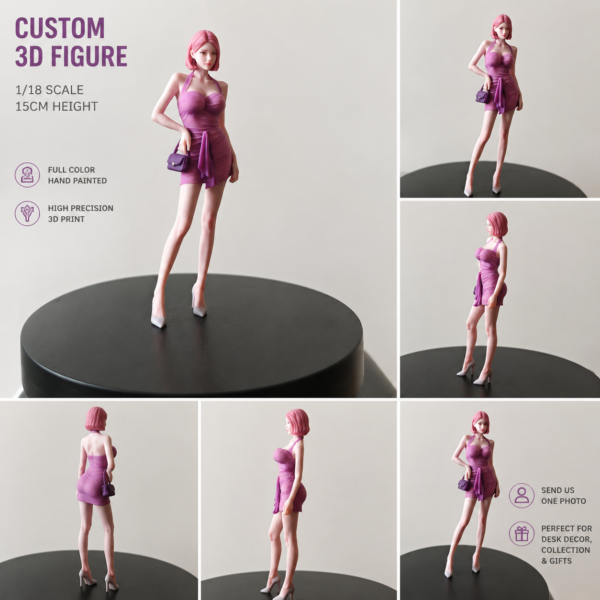
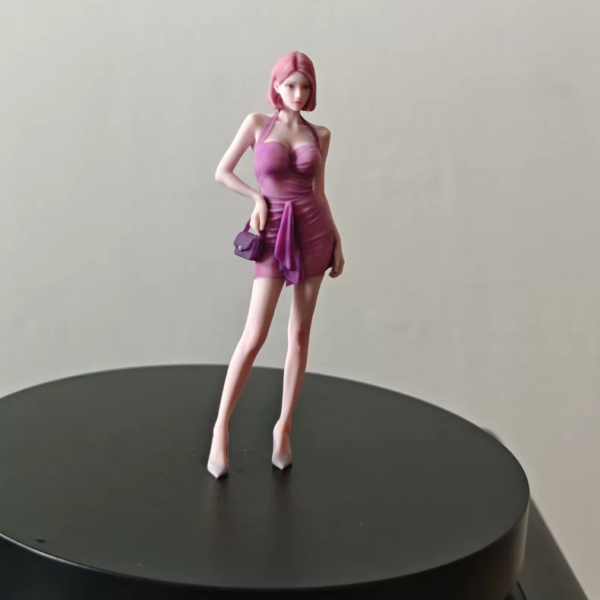
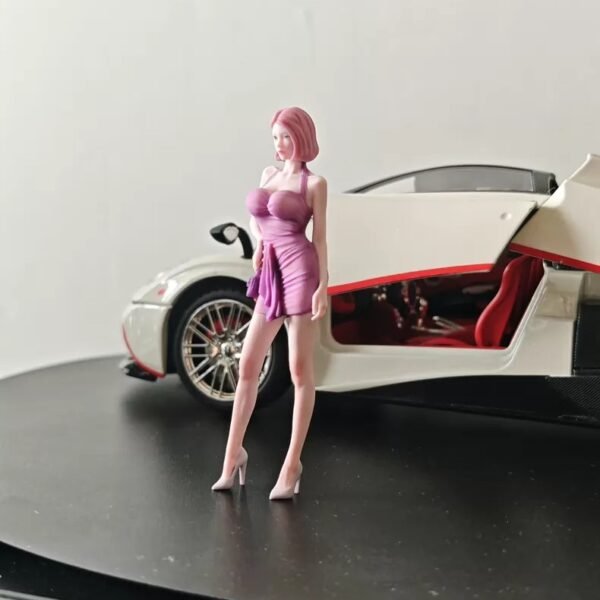
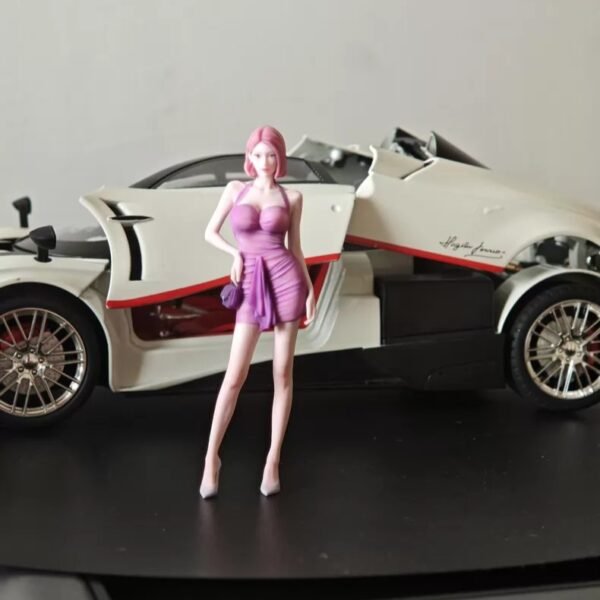
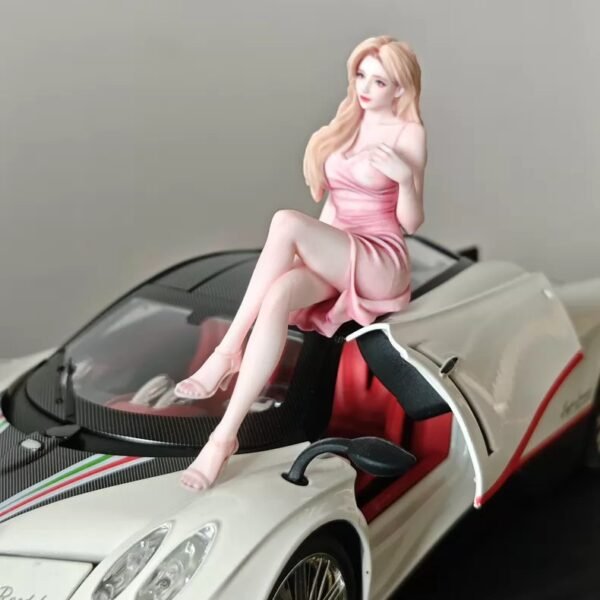
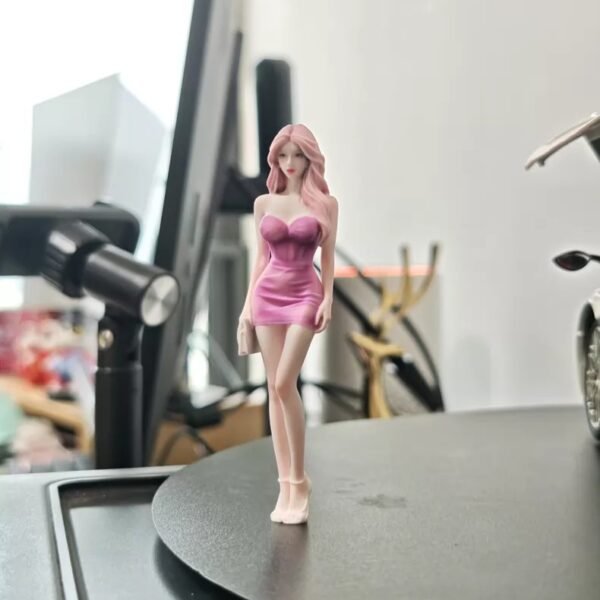
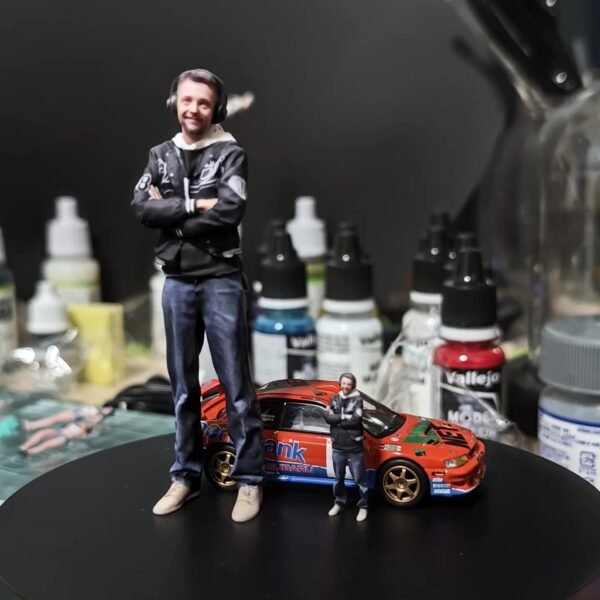
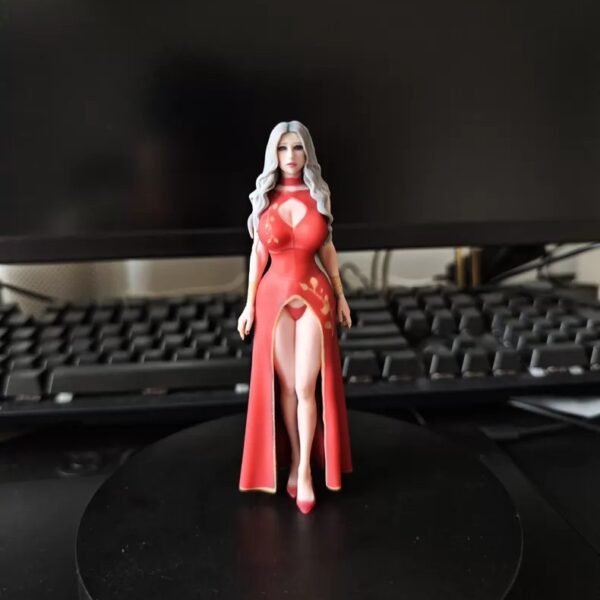
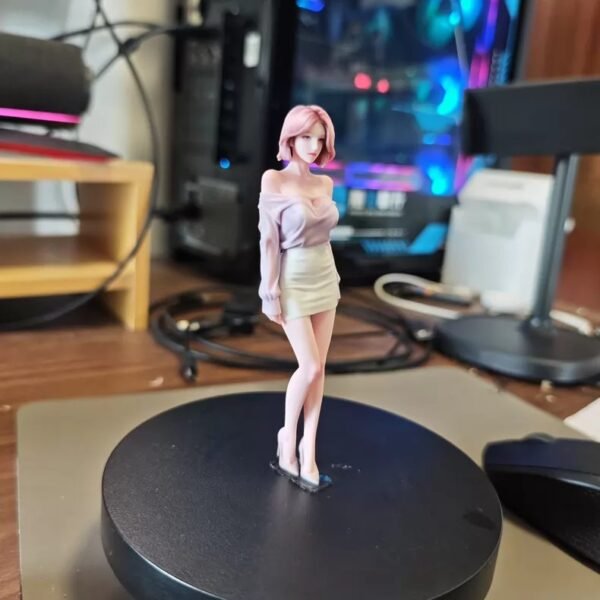
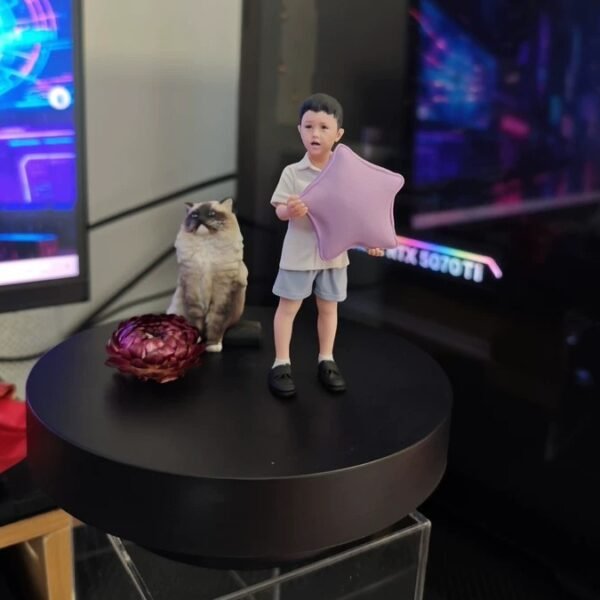
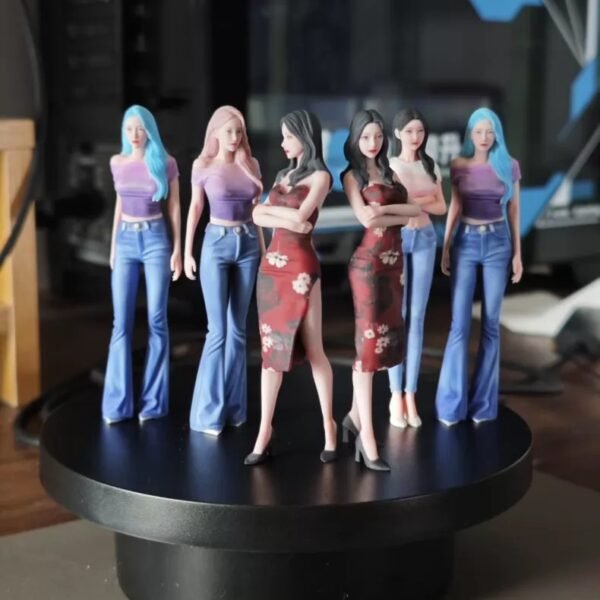
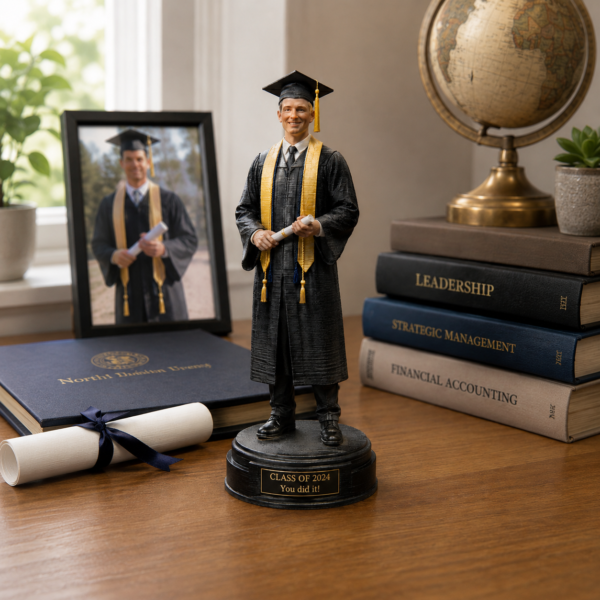
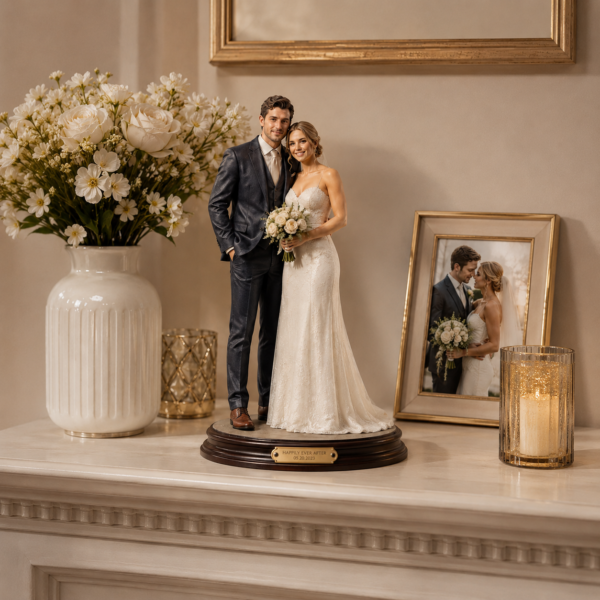
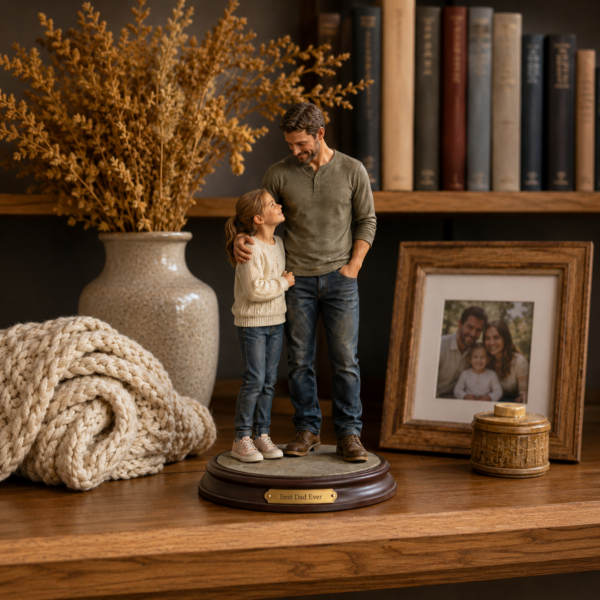
Custom 3D Miniature Figure from Photo – Personalized Mini Me Figurine (Message for Quote)
Custom 3D miniature figure made from your photo. Full-color printed mini me figurine with realistic detail. A personalized gift for any occasion.
Final checklist for a 3D printed portrait
- Pick a clear identity photo and label any separate pose references.
- Explain the silhouette, expression, clothing, colors, and two or three must-keep details.
- Choose a format and stance that suit the display location.
- Ask specific questions about finish, support, size, and timing.
- Review the product fit before sending the project into production.
Ready to plan yours? Start with the clearest reference images you have, then describe the portrait details that make the subject recognizable to you. A focused brief gives the maker a better foundation for discussing the figure’s pose, finish, and display approach.