3D Printing Guides, Custom Figurines
3D Figurine From Photo: A Practical Ordering Guide
Learn how to choose reference photos, style, pose, size, and details when ordering a personalized 3D figurine made from your photo.
Published July 10, 2026
Table of Contents

A 3D figurine from photo turns a familiar face, outfit, and pose into a physical keepsake you can display, gift, and hold. The result can feel far more personal than a generic collectible—but only when the reference photos and customization brief give the artist enough useful information.
This guide explains what to prepare before ordering, which photos work best, what choices affect the finished piece, and how a photo becomes a sculpted and printed figure. It is written for shoppers comparing personalized 3D figurines, not for people looking for downloadable STL files or do-it-yourself printer settings.
What Is a 3D Figurine From a Photo?
A photo-based figurine is a custom miniature created from visual references of a real person. An artist studies the subject’s face, hair, clothing, body proportions, and pose, then builds a three-dimensional digital sculpt. That sculpt is prepared for printing, produced in resin or another suitable material, finished, and checked before delivery.
The process is interpretive rather than automatic. A single image shows only one angle, while a physical figure must work from every side. The artist may need to infer the back of a hairstyle, the shape of a jacket, or how an arm connects to the torso. Better references reduce guesswork and help preserve the details that make the subject recognizable.
Depending on the chosen direction, the figure can be realistic, gently stylized, cartoon-like, or anime-inspired. A realistic style emphasizes facial structure and proportions. A stylized version may use a larger head, simplified features, or a more playful silhouette while keeping the person’s identity, outfit, and story clear.
The Best Photos for a Custom Figurine
The most important input is not necessarily the most beautiful portrait. It is the image that gives the artist clear, accurate information. A sharp smartphone photo in even daylight is usually more useful than a heavily filtered studio image that hides skin tone, hair texture, or clothing details.
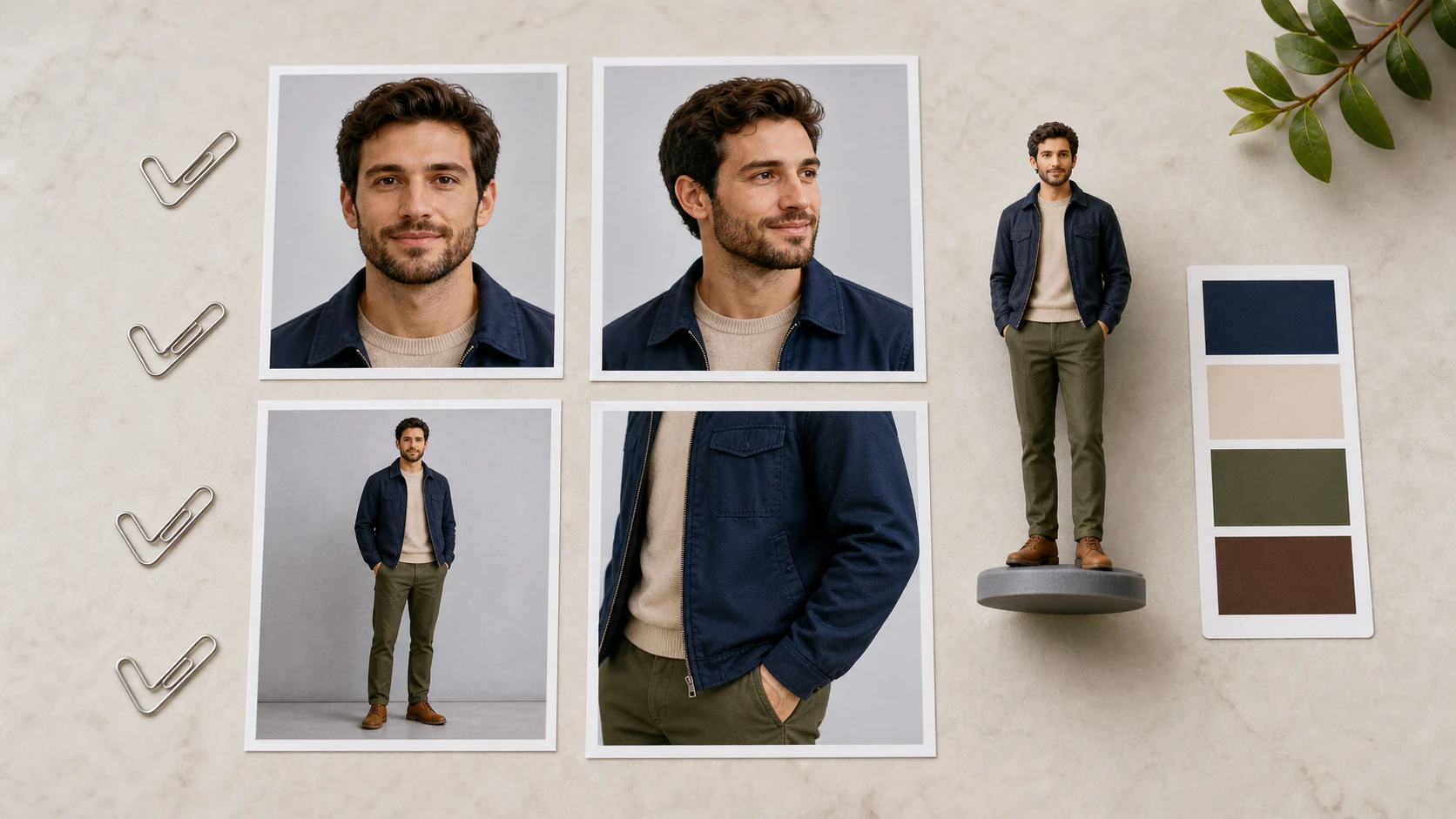
A practical reference-photo checklist
- Clear front or three-quarter face: keep both eyes visible and avoid sunglasses, motion blur, or deep shadows.
- Full-body view: show the intended stance, clothing, shoes, and overall proportions.
- Side or back reference: useful for hairstyles, hats, jackets, bags, and garments with details behind the subject.
- Close-up details: include jewelry, logos you own permission to reproduce, tattoos, props, or meaningful accessories.
- Consistent appearance: make it clear which hairstyle, outfit, and age should be represented when sending photos from different dates.
If you do not have one perfect full-body photo, combine references. For example, use one image for the face, another for the outfit, and a third for the pose. Label each image so the artist knows what to borrow from it. This is often more reliable than asking the artist to guess from a cropped picture.
Decide These Details Before You Order
A concise brief prevents avoidable revisions. Start by deciding what the finished figurine should communicate. Is it a formal graduation keepsake, a playful birthday gift, a wedding display, a family portrait, or a desk figure that captures someone’s everyday personality?
- Style: realistic, cartoon, anime-inspired, or another clearly described direction.
- Pose: standing naturally, holding an object, celebrating, or recreating a meaningful moment.
- Outfit: copy the reference exactly or combine clothing from several images.
- Accessories: glasses, instruments, sports equipment, flowers, pets, tools, or profession-related objects.
- Base and text: decide whether the figure needs a display base, name, date, short message, or themed surface.
- Size and deadline: both can affect price, detail, production planning, and shipping options.
Prioritize what matters most. If facial likeness is essential, provide several face angles. If the piece commemorates a uniform, costume, or wedding outfit, supply close-ups of fabric colors and accessories. A clear hierarchy helps the artist spend attention where it has the greatest emotional value.
How a Picture Becomes a 3D Figurine
Although workshops use different tools, a custom project generally moves through four stages. First, the references and brief are reviewed for missing information. Second, the artist creates a digital sculpt and balances likeness with the selected style. Third, the model is prepared for stable printing, including adjustments to thin parts and the way the figure connects to its base. Finally, the printed piece is cleaned, refined, finished, checked, and packed.
This workflow explains why customized work takes longer than ordering a mass-produced figure. The product does not exist before the order: the artist must translate two-dimensional references into a complete object and make practical decisions for both appearance and durability.
A matched GetFigmo option
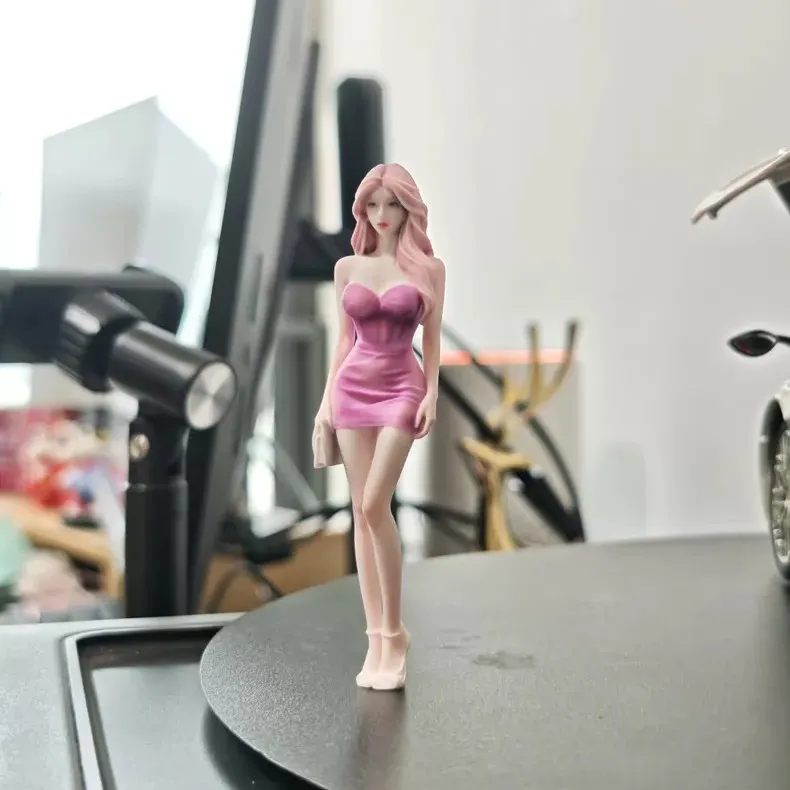
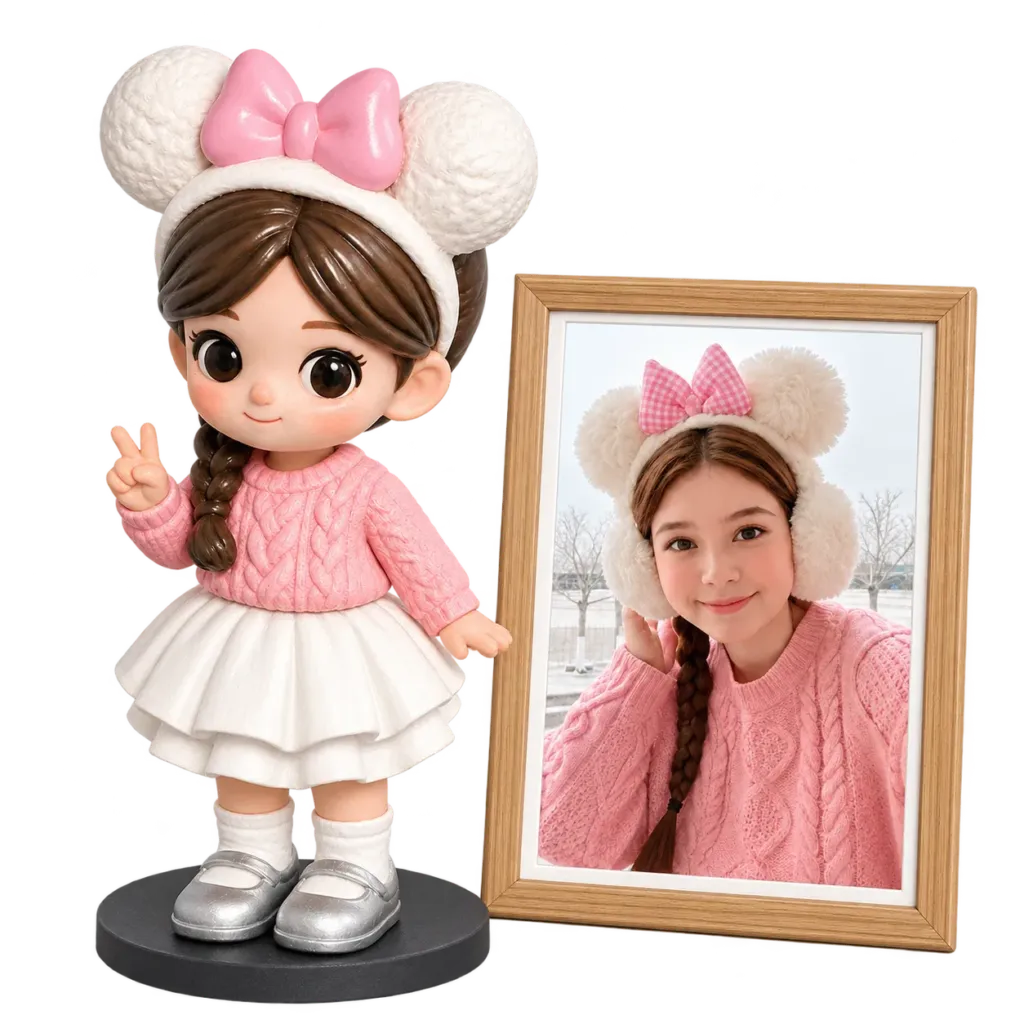
For shoppers who want a full-body personalized human figure, GetFigmo’s custom option is designed around photo references. It can combine separate face and outfit images, and the brief can specify pose, style, accessories, base details, and gift context.
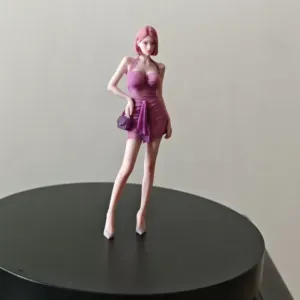
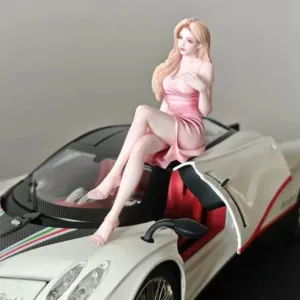
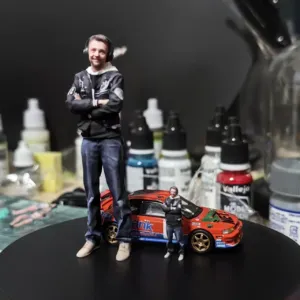
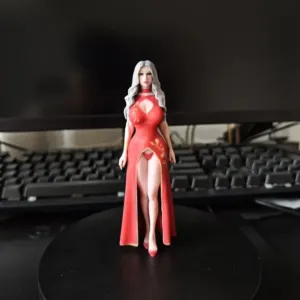
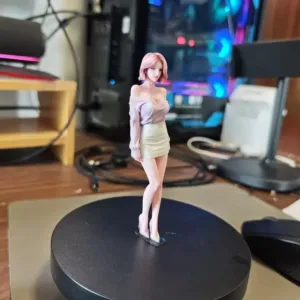
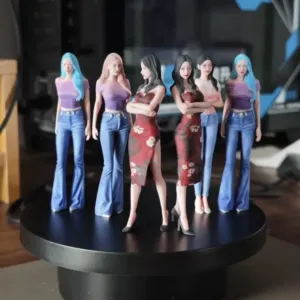
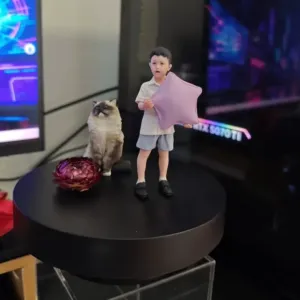
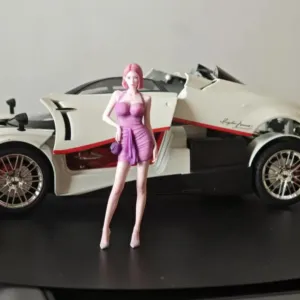
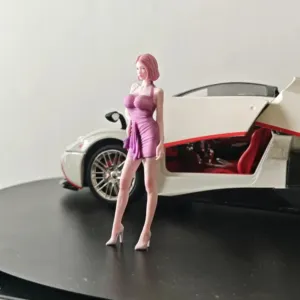
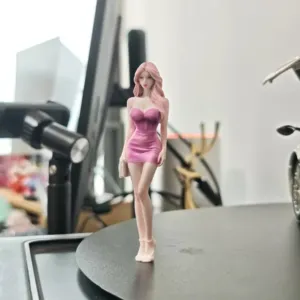
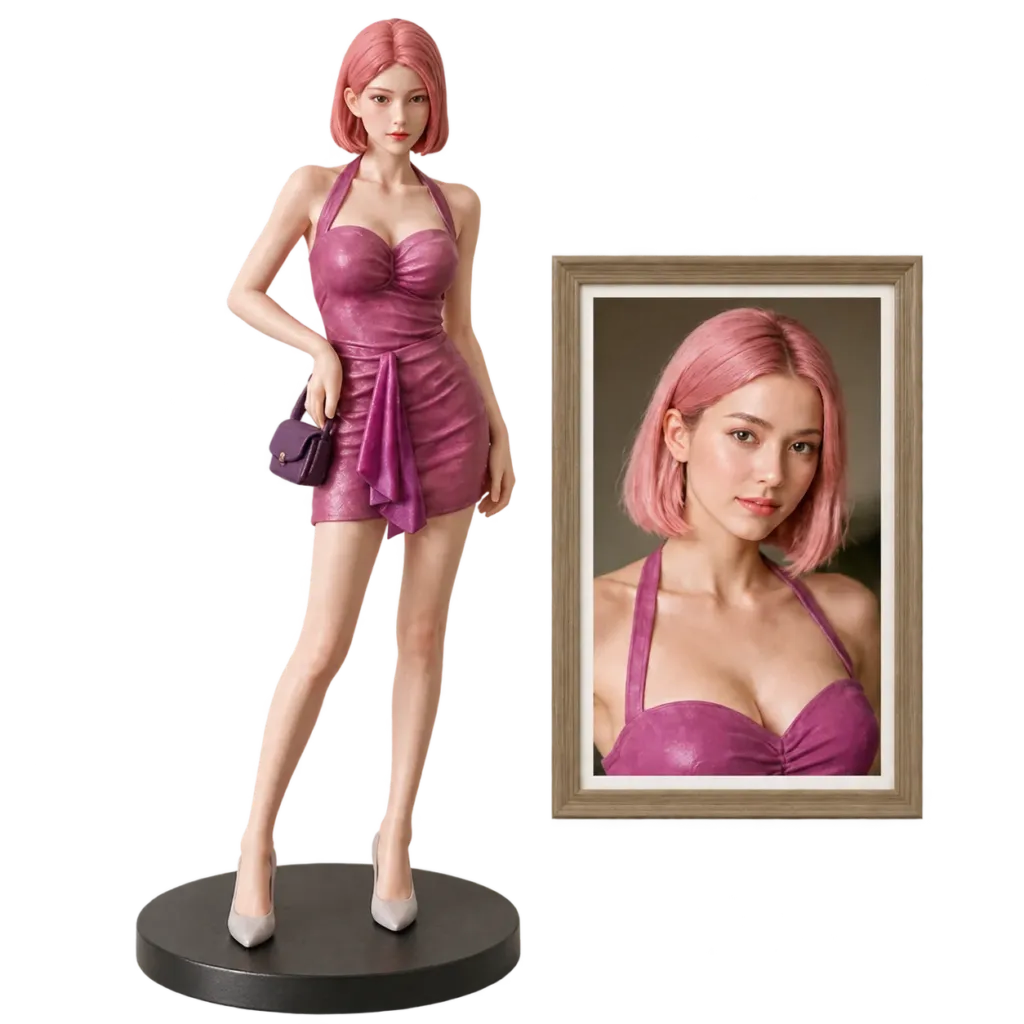
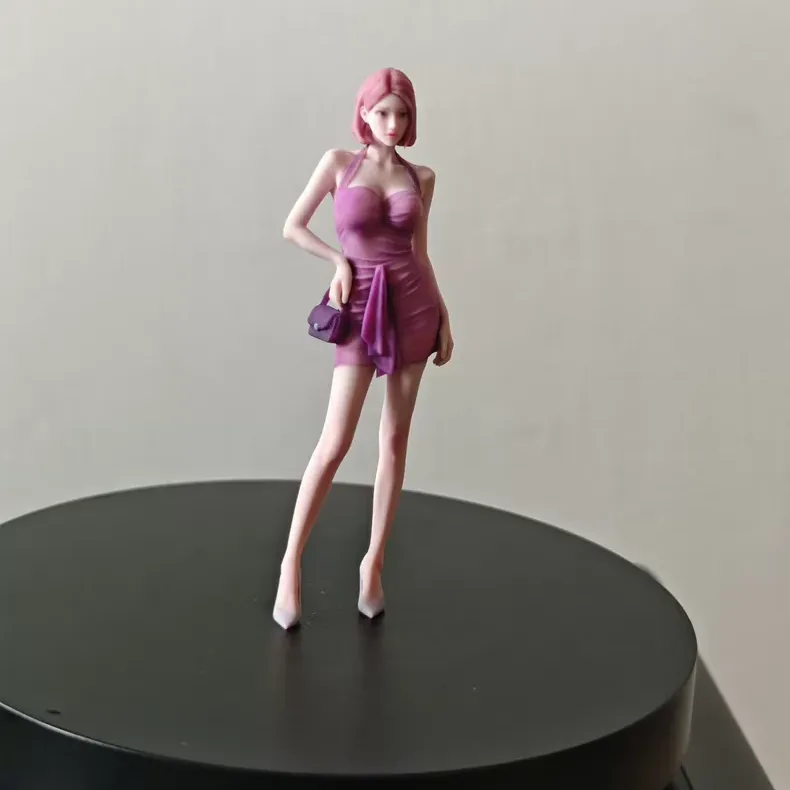
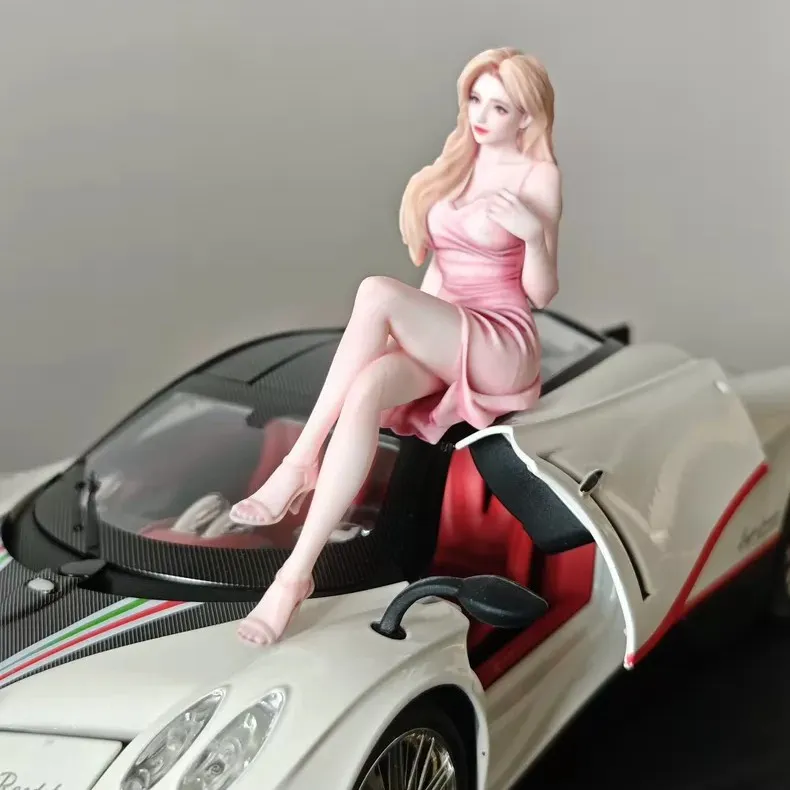
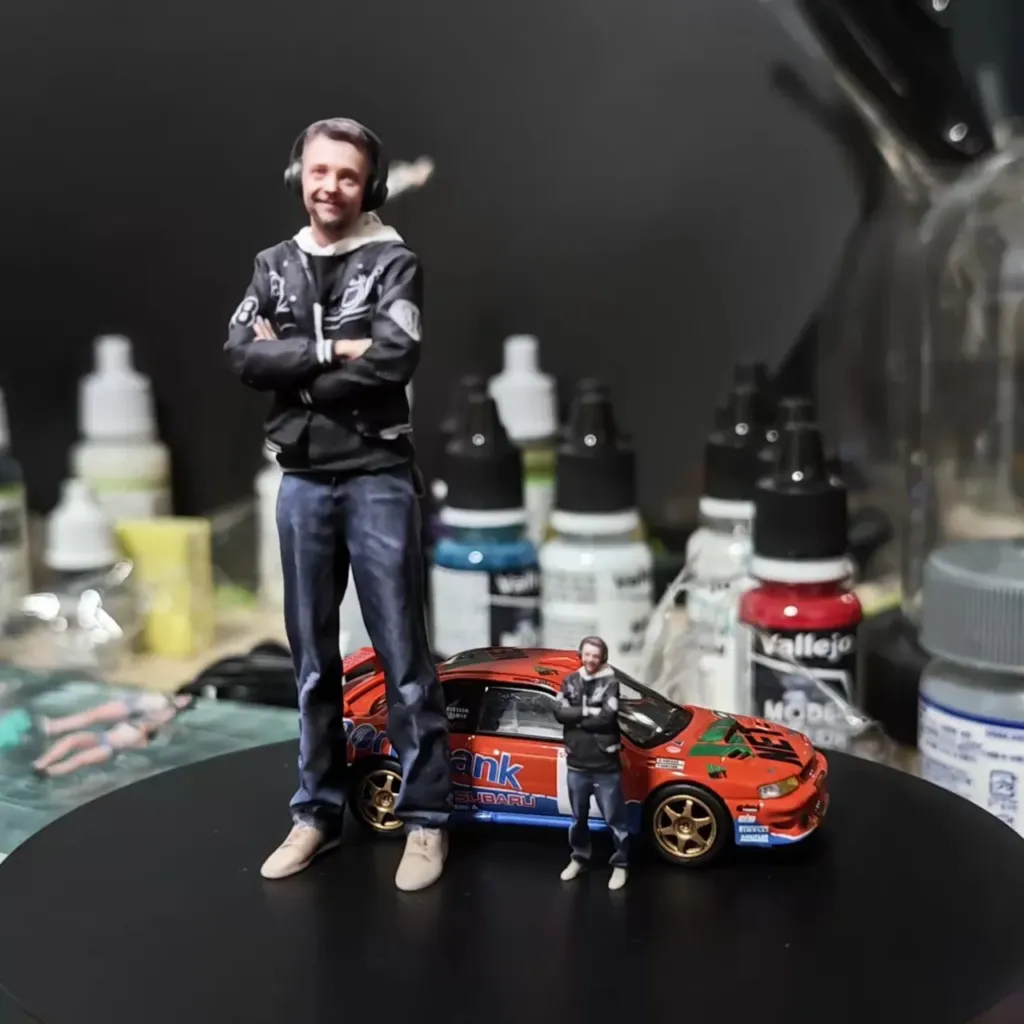
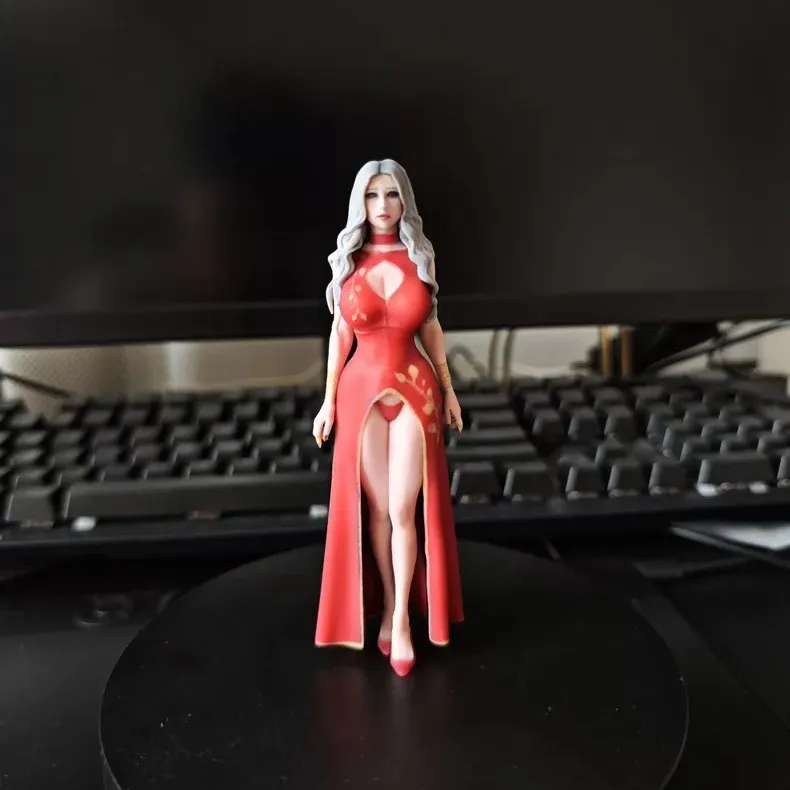
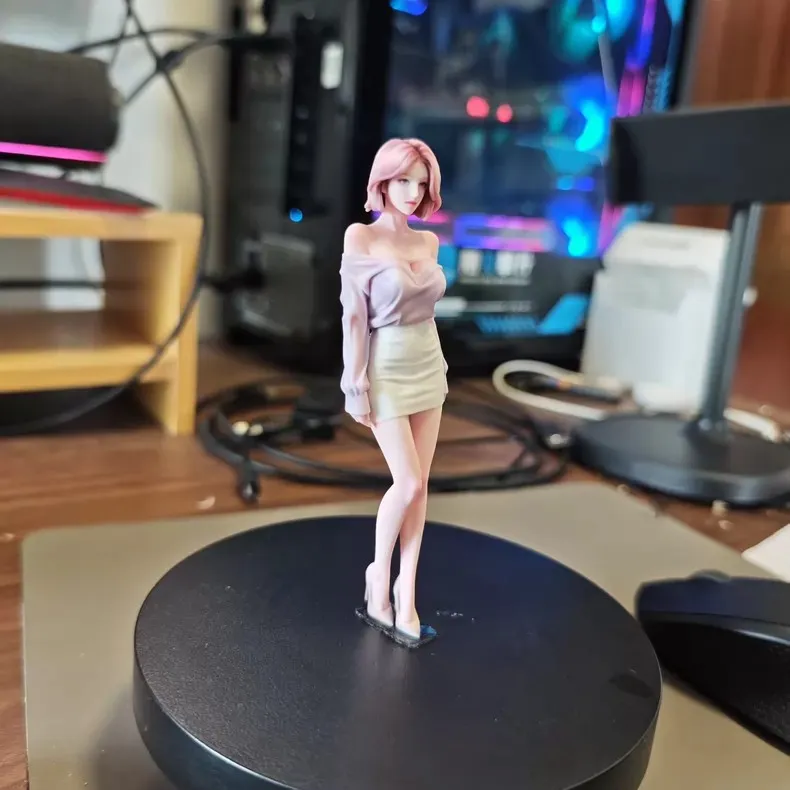
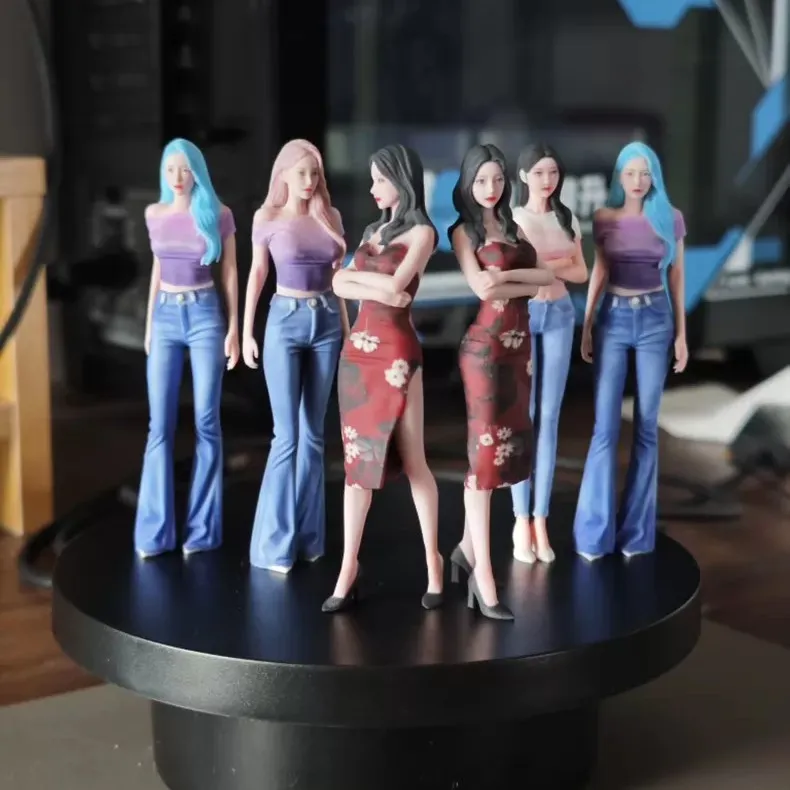
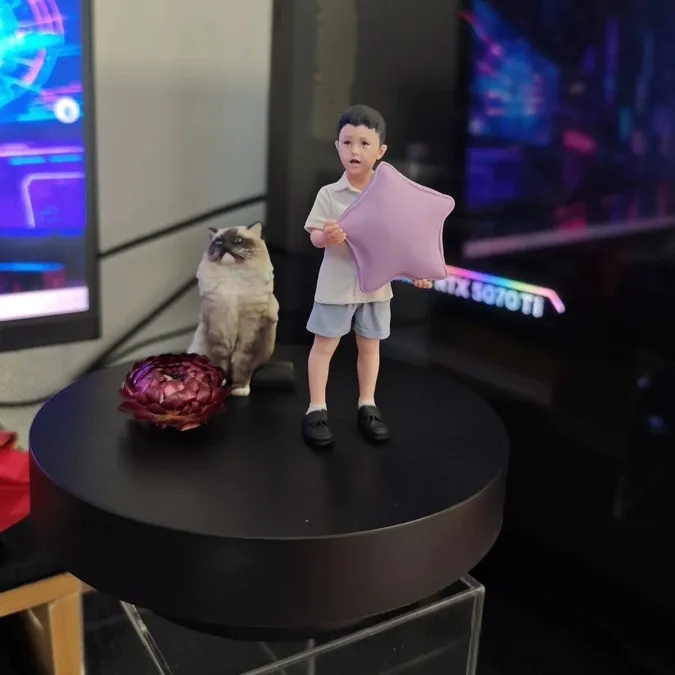
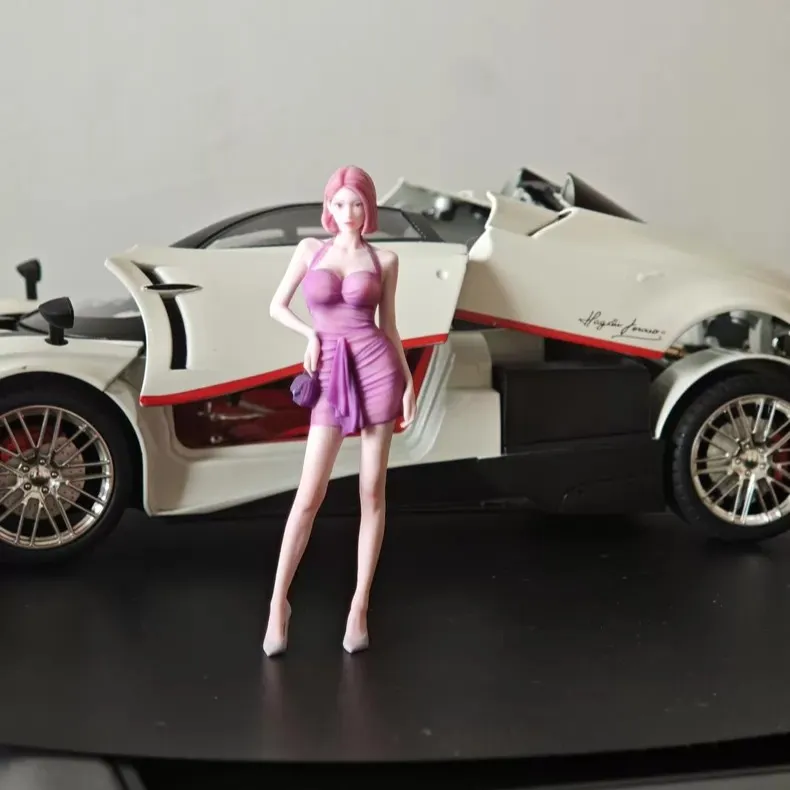
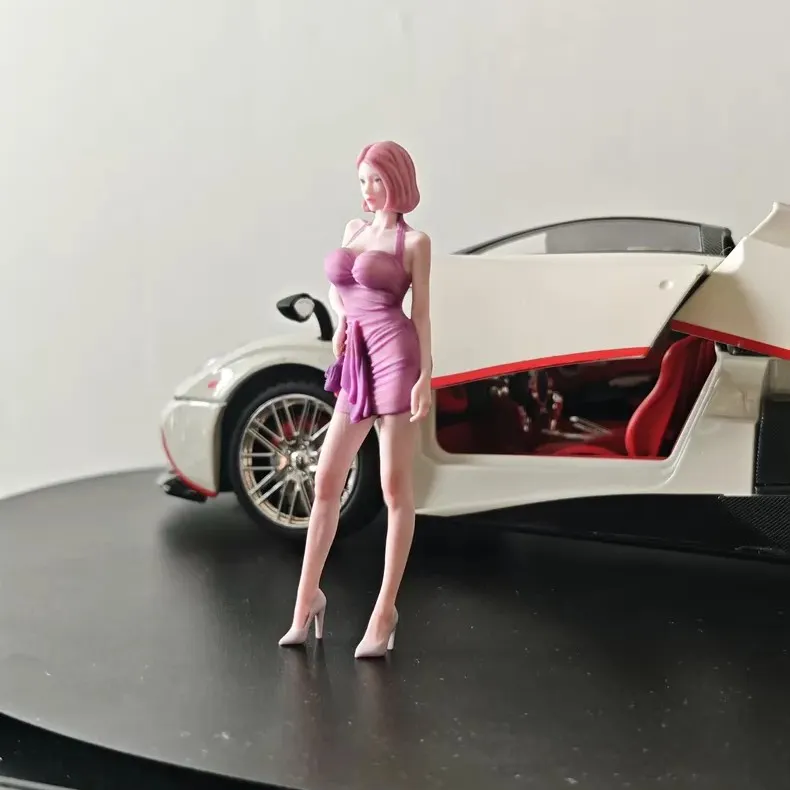
Custom 3D Miniature Figure from Photo – Personalized Mini Me Figurine
Create a full-color 3D figurine made from your photo. Personalize the clothing, hairstyle, and pose for a custom Mini Me keepsake or gift.
What “Accurate” Should Mean
A figurine is not a forensic scan. Its success is better judged by whether the face, hairstyle, signature outfit, posture, and important objects work together to evoke the person. Style also changes the definition of likeness: a cartoon figure may simplify the nose and jaw but preserve the hairstyle, smile, glasses, and stance that friends recognize immediately.
Color can vary between screens, reference lighting, printed materials, and hand finishing. Tiny features also behave differently at miniature scale. Ask which elements can realistically be preserved at the chosen size, especially for thin jewelry, delicate fingers, small text, or narrow props.
Common Mistakes That Make Customization Harder
- Sending only a social-media screenshot: compression and filters can remove facial and fabric detail.
- Mixing conflicting references: photos with different hairstyles or outfits need clear labels.
- Leaving the pose unspecified: a cropped portrait does not tell the artist how the body should stand.
- Requesting too many tiny accessories: clutter can weaken the visual focus and may not reproduce well.
- Waiting until the last minute: custom sculpting, printing, finishing, checking, and shipping all require time.
Good Occasions for Personalized 3D Figurines
A custom figure works best when the person and the story are more important than the object alone. Popular uses include graduations, weddings, anniversaries, milestone birthdays, retirement gifts, family keepsakes, office desk figures, and displays that celebrate a hobby or profession.
For a couple or family scene, decide whether you want one shared base or separate figures. For a gift, include the recipient’s display space in the plan: a compact desk piece may suit an office, while a larger scene may belong on a shelf. The best format is the one the recipient can enjoy rather than store away.
Questions to Ask Before Paying
- Which photo angles are required, and can separate face and outfit references be combined?
- What style and size options are available?
- Are accessories, pets, group figures, bases, or text quoted separately?
- What parts of the design can be reviewed before printing?
- What production and shipping timeline applies to the destination?
- How should corrections, damage, or missing details be reported?
Frequently Asked Questions
Can one photo be enough?
Sometimes, especially for a simple stylized bust. A full-body figurine usually benefits from additional face, side, outfit, and pose references because the artist must create angles the main photo does not show.
Can I combine a face from one picture with an outfit from another?
Yes, when the maker supports composite references. Label which image controls the face, hairstyle, clothing, pose, colors, and accessories so the brief is unambiguous.
Can a photo be turned into a couple or family figurine?
Yes, but groups require more references and design decisions. Confirm the number of people, relative heights, poses, clothing, shared base, and how everyone should interact in the scene.
How early should I order for a gift?
Order as early as possible and tell the maker the actual gift date before receiving a quote. Custom design, printing, finishing, quality checks, and international shipping can all affect timing.
Final Checklist
Before ordering a 3D figurine from a photo, gather clear face and full-body references, choose the intended style and pose, list the details that matter most, confirm size and timing, and ask how the design will be reviewed. A thoughtful brief gives the artist better information and gives you a clearer standard for evaluating the finished keepsake.
When you are ready, review the Custom 3D Printed Figurine From Your Photo option and send the references that best show the person you want to celebrate.
Before you order, check what to send before you order a custom figurine so your photos are ready, then compare formats in the Figmo shop.
Best selling products

Personalized 3D Chibi Figurines From Photos of People or Pets
Price range: $49.00 through $499.00Colnago Y1RS Road Bike Model – Rainbow Colors
Price range: $159.00 through $399.00Specialized Tarmac SL8 Road Bike Model – 3 Sizes
Price range: $159.00 through $399.00Giant Road Bike Model – TCR SL & Propel Advanced
Price range: $159.00 through $579.00
FAQ
Everything to know.
A few quick answers before you customize your Figurine here.
Can’t find your answer? Talk to a real person
For best likeness, upload 3-8 clear photos: front view, side view, outfit details, hairstyle, accessories, and any pose references you want us to follow.
Yes. We send a 3D preview before production. You can request reasonable adjustments to likeness, pose, outfit, base details, or accessories before approval.
Standard orders require 5–10 business days for processing, including reference review, 3D modeling, customer preview and approval, 3D printing, hand finishing, quality checking, and packaging. Tracked shipping then takes 5–7 business days. The total estimated delivery time is 10–17 business days. Day 1 begins on the first business day after payment and complete usable references are received. Delayed approval or extra revisions can extend the estimate. See our Shipping & Delivery Policy.
Yes. We can create people, pets, couples, family groups, anime-inspired styles, gaming avatars, wedding pieces, and memorial gifts from the references you provide.
We will work with what you have, but clearer references always improve likeness. If key details are missing, our team may ask for additional photos before sculpting.
Yes. Add notes during the order for pose, outfit, colors, accessories, base style, nameplate text, or special details you want included.
Figurines are 3D printed and hand finished. Final texture, color, and detail treatment vary by size, style, and the references used for the piece.
We aim for a recognizable, polished likeness, but a handmade 3D figurine is an artistic interpretation. Photos, lighting, hair, fabric, and scale can affect the final result.
Changes are easiest before approval. Once production starts, edits may be limited or require extra time and cost depending on how far the piece has progressed.
Contact us with photos of the packaging and damaged area as soon as possible. We will review the issue and help with a suitable resolution.
Yes. Figmo uses tracked international delivery services. Standard transit takes 5–7 business days after the 5–10 business day processing stage. The exact shipping charge is shown at checkout or confirmed in your written quote before payment. Customs processing may extend the estimate.
Yes. Multiple copies are useful for weddings, family gifts, teams, and memorial keepsakes. Share the quantity
you need so we can confirm timing and pricing.
Latest Posts
- Group Gifts for Coworkers: Plan One Personal Keepsake
 A practical way to coordinate one personalized gift from a team, from agreeing on the total budget to choosing a photo and sending one clear customization brief.
 - First Christmas Together Gifts: A Photo Keepsake GuideMark your first Christmas together with a photo-based keepsake that fits your relationship, your shared memories, and the place where it will be displayed.
- How to Review a Custom Figurine Preview Before PrintingA practical checklist for reviewing a custom figurine’s 3D preview, requesting specific adjustments, and approving the correct design before printing.