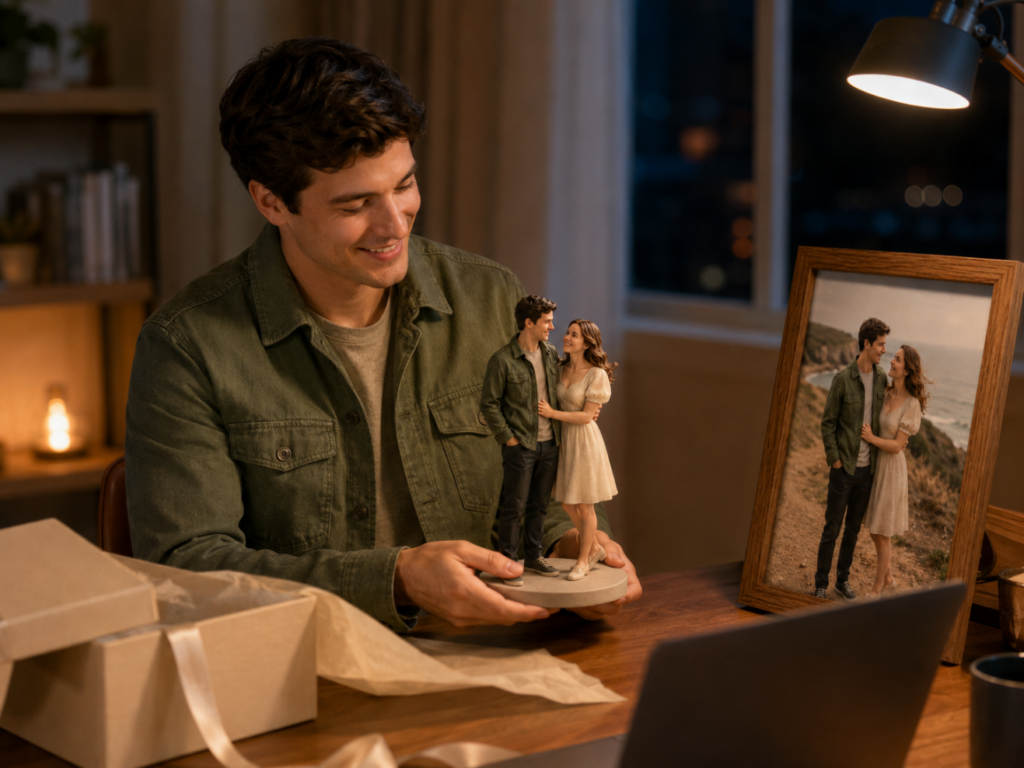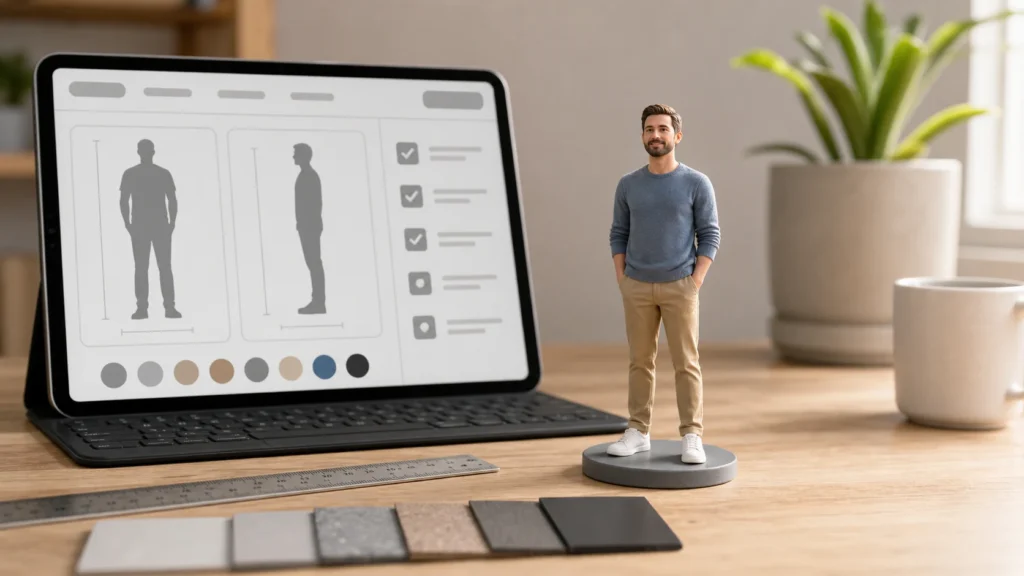
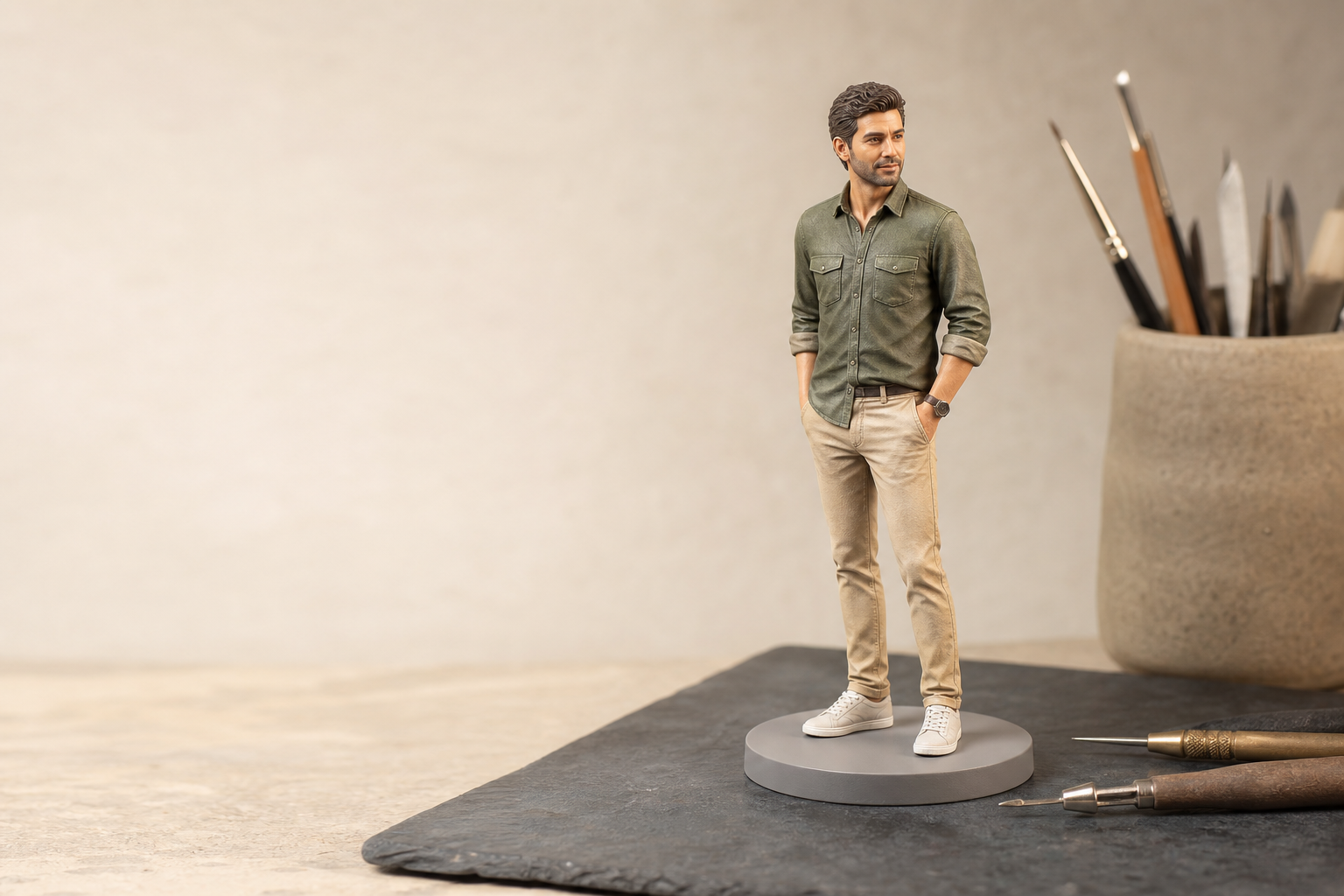
What custom resin figures can show clearly
Custom resin figures are a good fit when you want a small physical piece with a readable silhouette, sculpted clothing, facial direction, and selected surface details. Resin printing gives a maker a workable path from a digital sculpt to a display figure, while hand finishing can refine the result before it is checked and packed. The outcome still depends on scale, references, pose, and the choices made in the brief—so it helps to know what to evaluate before ordering.
This guide focuses on material-related decisions: visible detail, surface cleanup, painting, photo-reference clarity, pose stability, and display handling. It is not a promise of a universal material formula or a guarantee that every tiny feature will look identical to a full-size reference.
Detail starts with the sculpt, not just the material
People often search for resin because they want a figure that feels more like a small collectible than a flat printed keepsake. That expectation is reasonable, but resin does not decide the design by itself. The digital sculpt, chosen size, viewing distance, and amount of simplification all affect what survives in the finished piece.
- Silhouette: Hair shape, jacket length, stance, and one meaningful prop can communicate identity from across a shelf.
- Layered forms: Seams, collars, cuffs, shoe shapes, and separated accessories are easier to assess when the reference shows them clearly.
- Small facial features: A face needs useful lighting and a sensible scale. A sharp photo helps, but a miniature is still an interpretation rather than a full-size portrait.
- Visual priority: Mark the two or three details that must be preserved. This gives the artist a clear hierarchy when small elements need to be simplified.
Ask to see the figure as a complete object rather than judging detail from one close-up. A clean outline, balanced proportions, and recognizable clothing may matter more to the viewing experience than an accessory that is technically tiny but hard to see.
Surface cleanup and the raw-to-finished difference
A printed figure normally needs more than the print step. Support marks, edges, joins, and other production artifacts may need attention before painting or sealing. Look for a workflow that includes finishing and inspection, and ask which visible areas deserve special attention in your brief.
When comparing resin printed figures, separate three questions:
- How clean is the sculpt? Are the body forms, clothing layers, and accessories readable?
- How is the surface prepared? Does the process include cleanup and refinement before color is applied?
- What finish is intended? Should the result feel understated and natural, more colorful and graphic, or closer to a display collectible?
Product photos can make a surface look smoother than it is because of lighting and distance. A useful order brief names the finish you prefer and identifies any area—such as hair texture, a fabric edge, or a prop—that you want the maker to keep visually clear.
Painting and finish choices that change the read
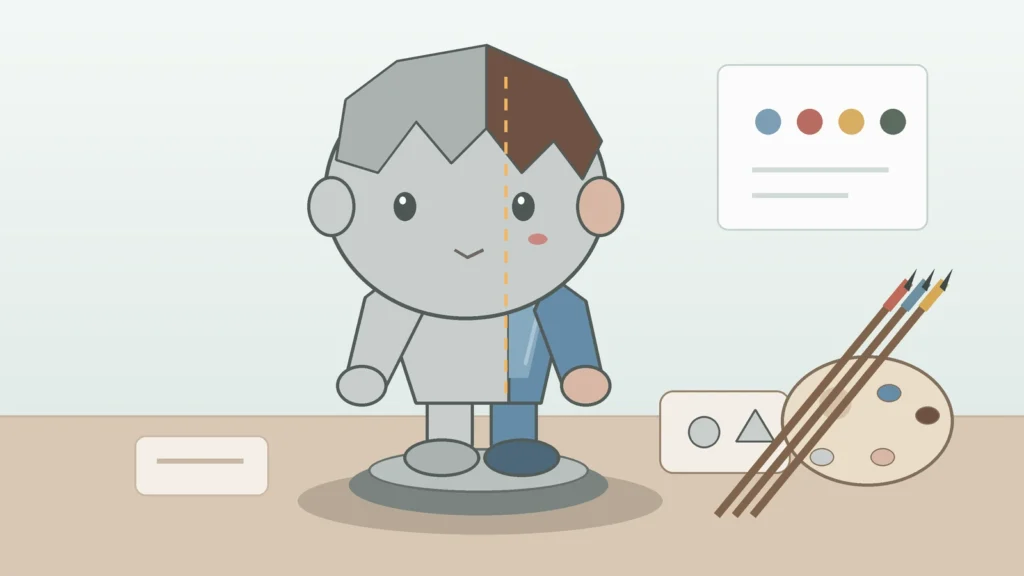
Color is part of the sculpting decision. A dark outfit, low-contrast hairstyle, or small accessory may merge into one shape if every area uses a similar tone. Conversely, too many strong colors can make a small figure look busy. Start with the main clothing color, skin and hair direction, base color, and one or two details that carry personal meaning.
- Use a full-body reference for the overall palette.
- Send close-ups for important accessories, patterns, or color differences that a distant photo cannot show.
- Say which colors are essential and which can be simplified.
- Describe whether you prefer a subtle display finish or a more expressive painted treatment.
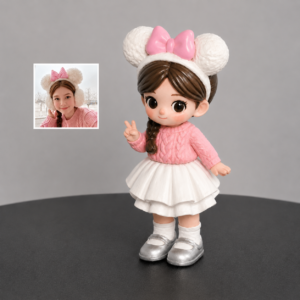
GetFigmo’s live product description for the Custom 3D Printed Figurine From Your Photo describes a full-body resin statue with hand-finished details. That makes it a relevant option for shoppers who want a photo-based figure and care about the transition from sculpted form to finished display piece.
Photo references: make every image answer a question
Clear references are especially important when you are evaluating figure resin work from a photo. The maker has to understand more than a face: they need the clothing shape, body angle, hairstyle, shoes, and any detail that should remain recognizable from multiple sides.
Instead of sending a large folder of similar images, give each reference a job:
- Face reference: a sharp front or three-quarter view with useful light.
- Pose reference: a full-body view that shows the stance, hand position, body angle, and shoes.
- Clothing reference: a view that makes layers, hems, sleeves, and important accessories easy to inspect.
- Side or back reference: helpful for hair, bags, jackets, and details hidden from the front.
If the exact pose is not available, label a separate image as a pose reference and explain which person, outfit, or facial details should come from the subject photos. This prevents the maker from treating the wrong image as the identity reference.
Pose stability and the base
A dynamic pose can tell a stronger story, but stability deserves equal attention. A narrow stance, raised limb, long prop, or leaning body may need a suitable base or additional support. A neutral standing pose is often simpler to place on a desk or shelf; a more expressive pose can work when it has clear reference images and a practical display plan.
Before approving a pose, consider:
- Where the figure will be displayed and how much depth is available.
- Whether the feet or base create a visually balanced footprint.
- Whether a prop strengthens the story or hides the silhouette.
- Which side viewers will see most often.
These are design questions, not universal manufacturing specifications. Ask the maker to confirm how your chosen pose will be supported rather than assuming every resin figure handles the same way.
Display handling and realistic expectations
Treat a custom figure as a display object. Plan a stable, clean location, handle it by stronger areas when moving it, and avoid using delicate details as grips. Keep the display plan in mind when choosing a raised arm, thin accessory, projecting hairstyle, or crowded scene.
Do not infer weather resistance, food safety, or a universal durability rating from the word “resin.” Material formulation, geometry, finishing, packaging, and use conditions can differ. If the figure will face unusual handling or a particular environment, ask the maker a specific question before ordering.
A practical brief for your custom resin figure
A concise brief can include:
- The person, pet, or original subject to represent.
- The preferred style and the two or three details that matter most.
- One clear identity reference plus separately labeled pose, outfit, and detail references.
- The intended stance, base, viewing direction, and display location.
- Color priorities and the finish you want the painted surface to communicate.
- Questions about support, handling, and any material-specific requirement that matters to you.
That information gives the artist a better starting point than a keyword such as “high detail” on its own. It also makes it easier to discuss trade-offs before production begins.
Is a custom resin figure the right choice?
Choose this route when you value a three-dimensional silhouette, sculpted clothing and accessories, and a finished display object built from personal references. If your priority is a very flat image, a downloadable file, or a product designed for rough everyday handling, ask about alternatives before placing an order.
For a photo-based keepsake, review the custom 3D printed figurine product details, prepare references with clear labels, and describe the display context. The better the brief explains what matters, the more useful the conversation about detail, finish, and pose can be.
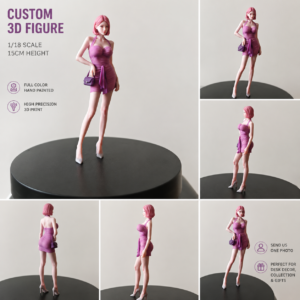
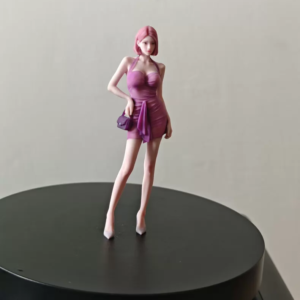
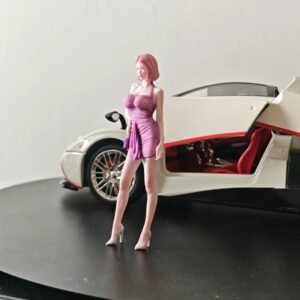
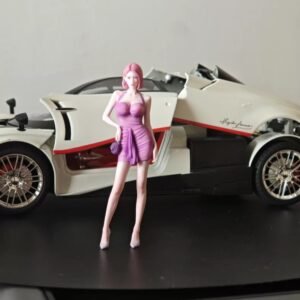

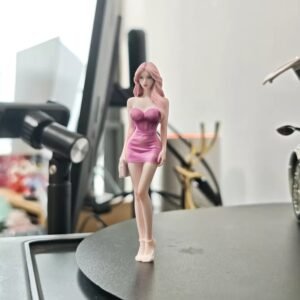
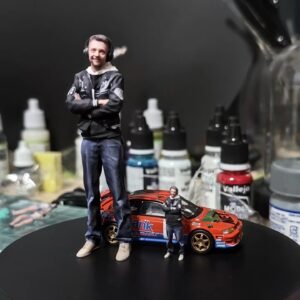
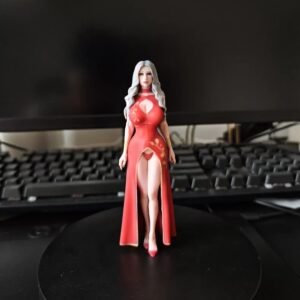
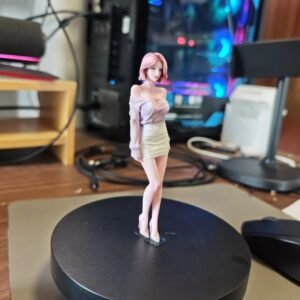
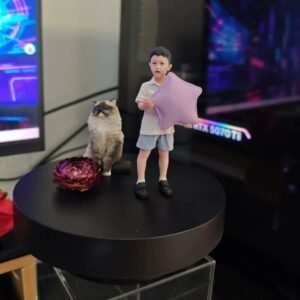
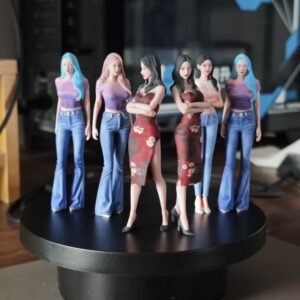
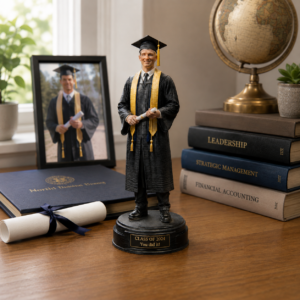
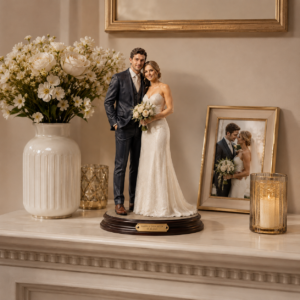

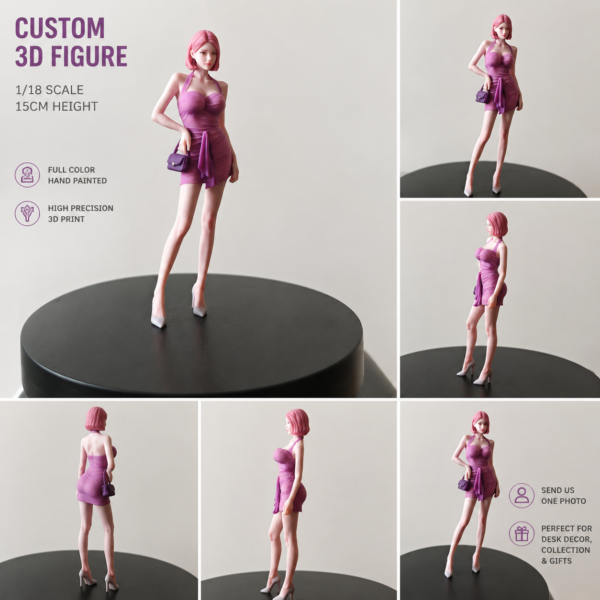
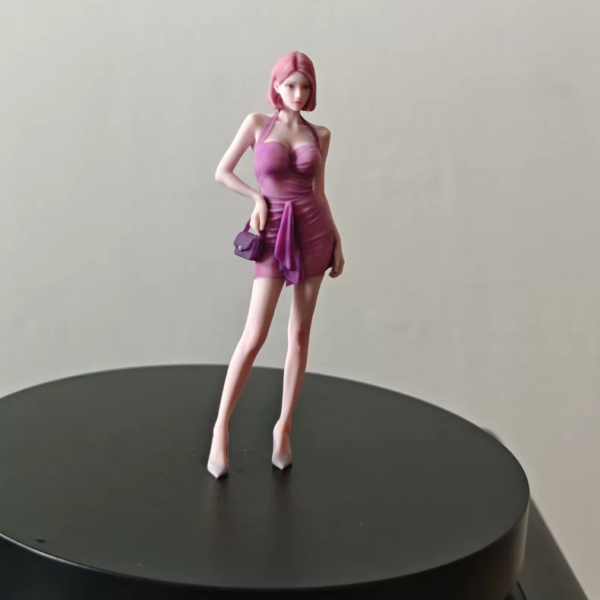
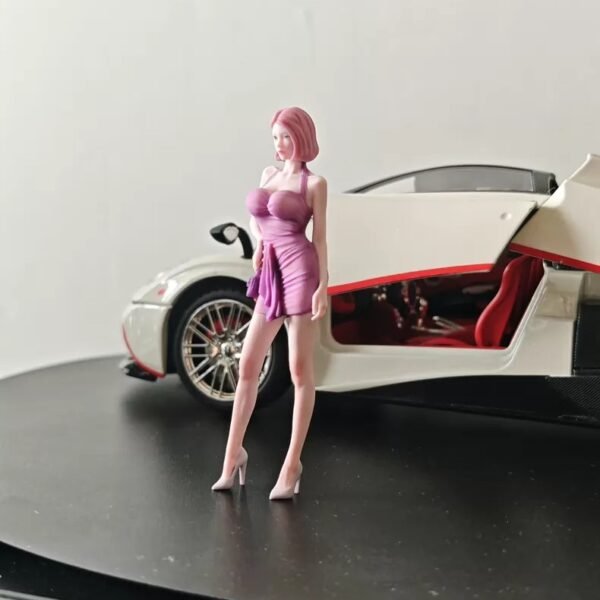
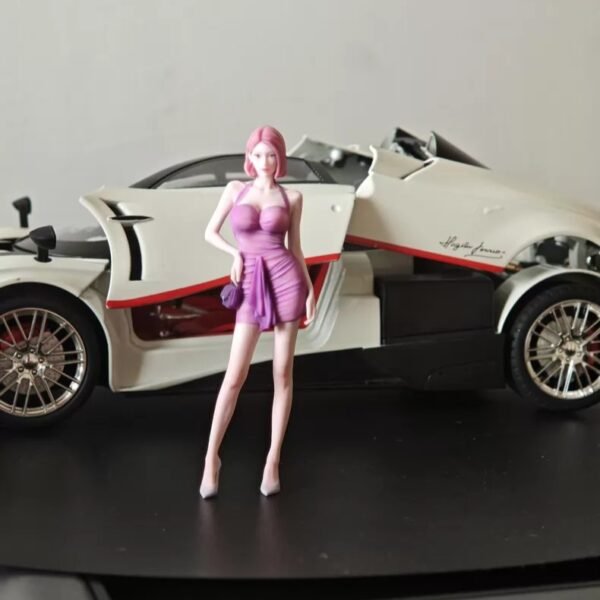
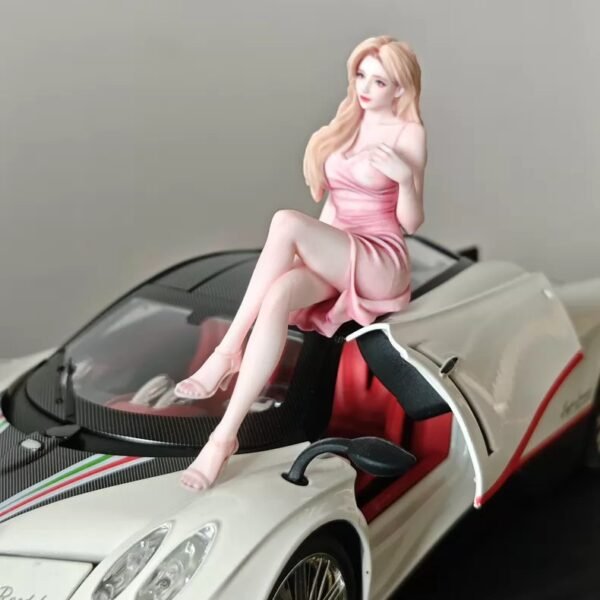
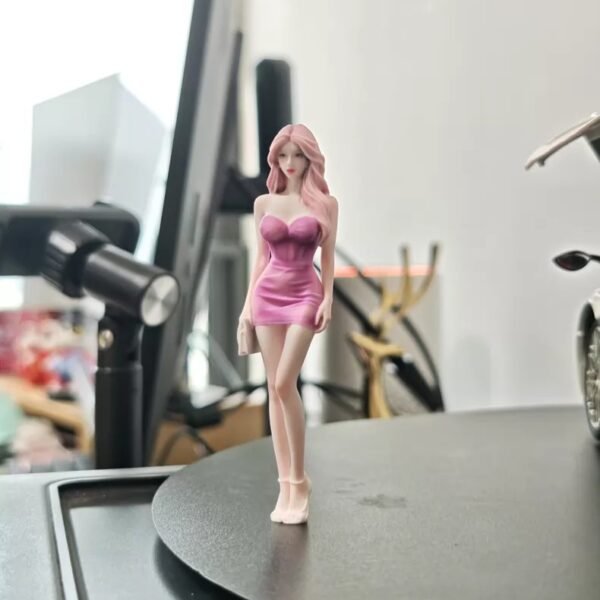
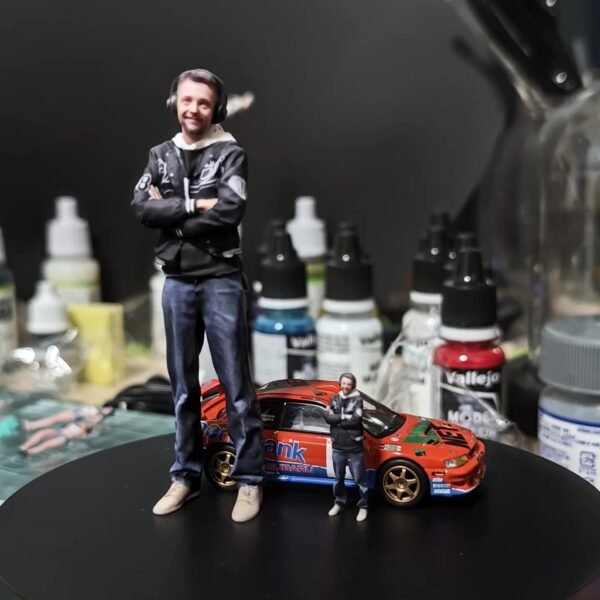
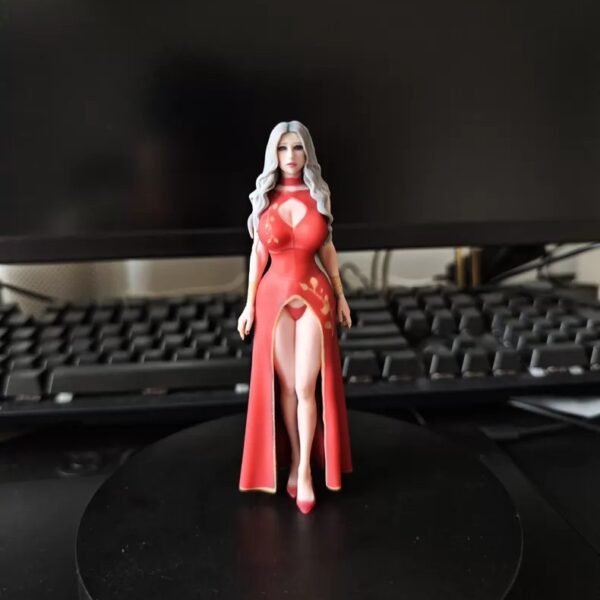
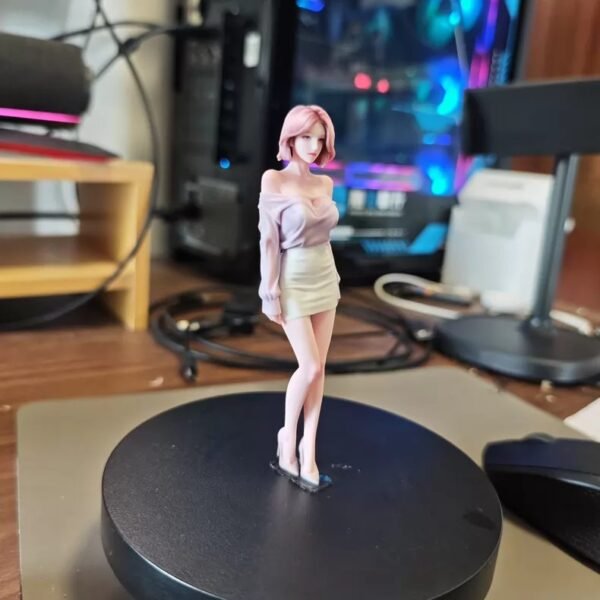
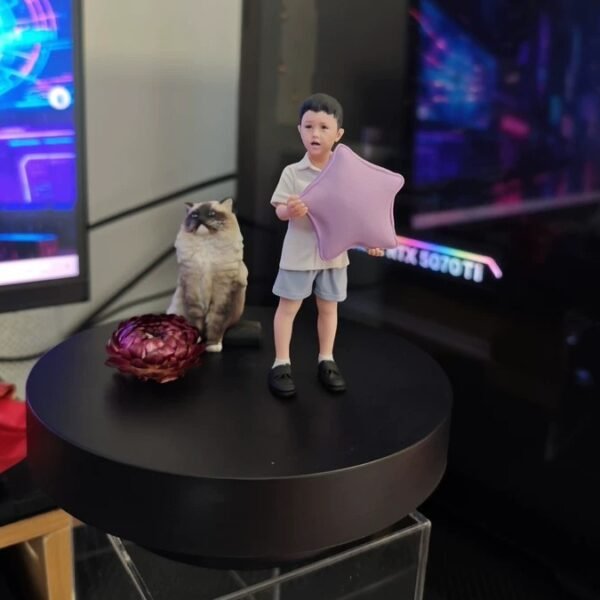
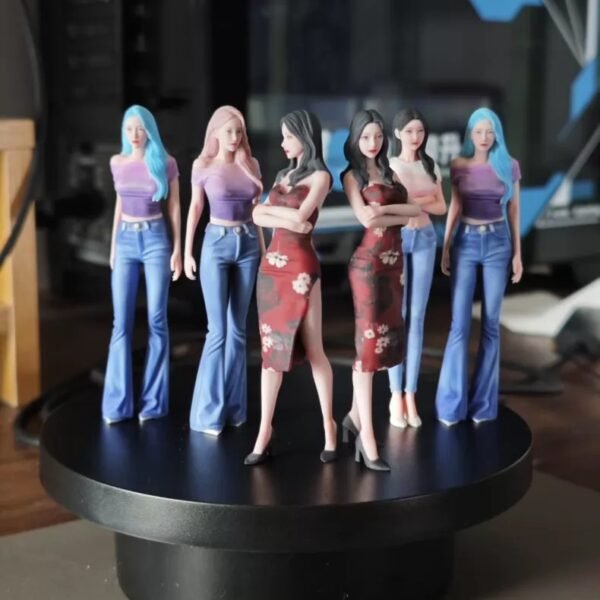
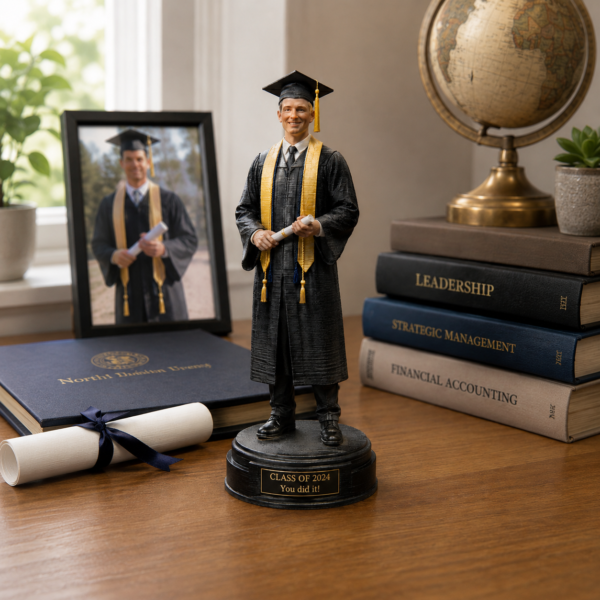
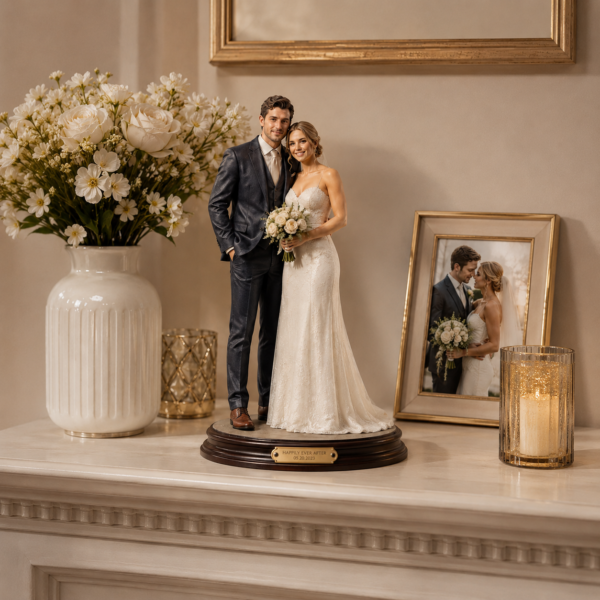
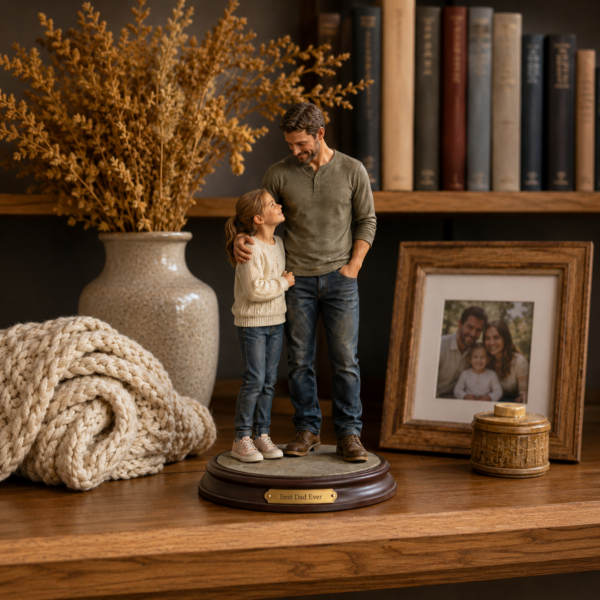
Custom 3D Miniature Figure from Photo – Personalized Mini Me Figurine (Message for Quote)
Custom 3D miniature figure made from your photo. Full-color printed mini me figurine with realistic detail. A personalized gift for any occasion.
Ready to plan yours? Start with the clearest references you have, name the details that matter most, and use the product conversation to confirm the pose, finish, and display approach before production.