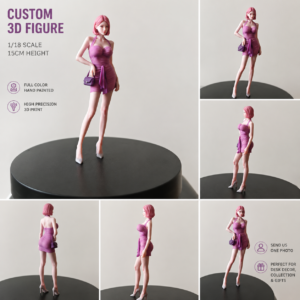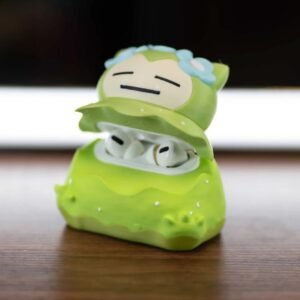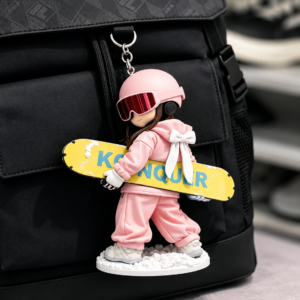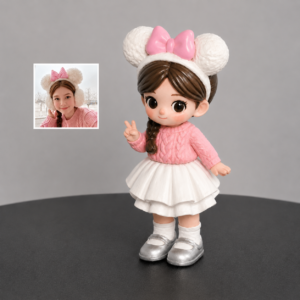
Looking for gaming action figures that feel like your own character rather than a mass-produced collectible? A custom display figure can turn a user-owned gaming avatar, original character, cosplay reference, or character artwork into a sculpted and painted piece for a desk, shelf, or display case. The key is to plan the design around readable shapes and details that can translate well into a three-dimensional figure.
GetFigmo’s matched option is a sculpted, hand-painted display figure. It is not presented as an articulated toy: it does not promise movable joints or interchangeable parts. Think of it as a character statue made for display, with the pose, outfit, colors, hair, expression, and selected props planned before the quote.
Start with references you have permission to use
Before requesting a quote, gather material that clearly shows the design you want made. Suitable references include your own avatar, an original character, a cosplay design you created or have permission to reproduce, or character art whose use you control. Avoid submitting protected game characters, copyrighted skins, official logos, celebrity likenesses, or team and league marks unless you have the necessary rights.
- Your avatar or character in a clear, uncluttered view.
- Character art or screenshots that show the design consistently.
- Cosplay photos that reveal the outfit from more than one angle.
- A short note explaining which details are essential and which can be simplified.
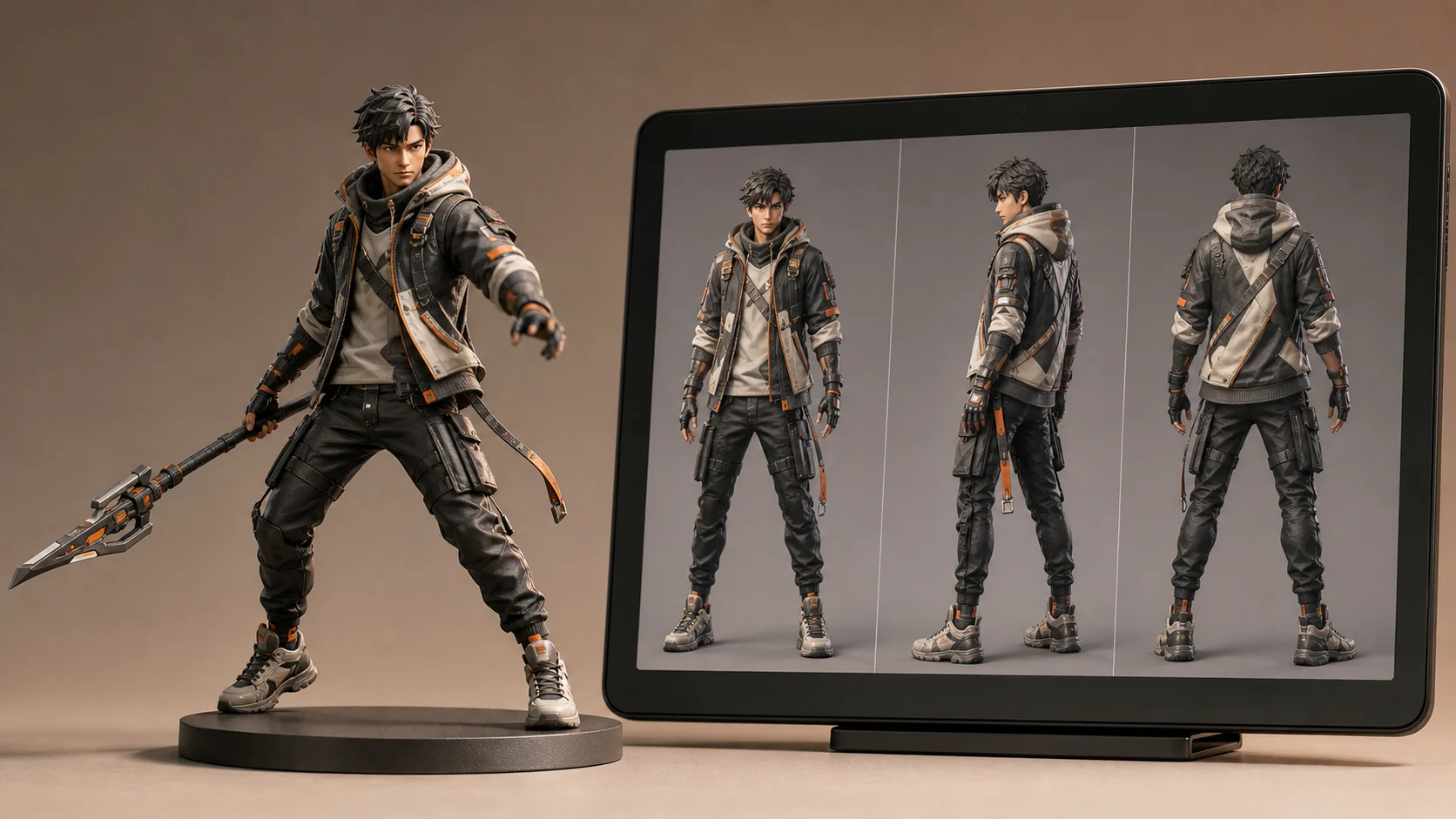
Send front, side, and back views when possible
A front view helps explain the face, expression, chest design, stance, and major color placement. Side views show the depth of hair, sleeves, footwear, equipment, and any layers that disappear from the front. A back view is especially useful for capes, backpacks, jacket panels, straps, long hair, and markings on the rear of the outfit.
You do not need to make every reference perfect. Consistent angles and good lighting are more helpful than a large folder of conflicting images. If you only have one screenshot, add written notes about the unseen sides and tell the team which details should receive priority.
Explain the outfit in layers
Gaming figures often combine several visual layers: a base shirt, jacket or armor-like outer layer, belts, gloves, boots, pouches, and small accessories. Describe those layers in order instead of listing every detail without context. For example, note the main silhouette first, then the contrasting panels, then the small accents that matter most.
- Base layer: shirt, bodysuit, trousers, or skirt shape.
- Outer layer: coat, vest, jacket, cape, or protective-looking panels.
- Accessories: headset, pouch, gloves, glasses, badge-free equipment, or other generic props.
- Color notes: primary color, secondary color, accent color, and areas that should stay neutral.
Choose a pose that reads at display distance
A pose can communicate the character more quickly than a tiny accessory. Choose a stance that remains clear when the figure is viewed from across a desk or shelf: a grounded standing pose, a confident turn, a ready-but-still posture, or a simple gesture. If the pose includes a generic equipment prop, explain where it should point and whether it is a visual accent or a central part of the composition.
Remember that a display figure is designed as one finished composition. The design should not rely on movable joints or swappable parts. Ask how the pose will affect the base, balance, silhouette, and the visibility of the face and outfit from the preferred viewing direction.
Decide the base and display direction
Tell the maker where the figure will live: a narrow desk, open shelf, cabinet, or a larger display area. Then choose the main viewing direction. A front-facing display emphasizes the expression and chest design. A three-quarter view can make a turning pose, layered clothing, or a prop feel more dynamic. A rear-facing detail may matter if the avatar has a distinctive jacket, hairstyle, or backpack.
Include any base preference in your notes, but do not assume that every idea will fit every pose. The base and figure need to work together as a readable display composition, with enough room for the stance and the details you want preserved.
Set priorities for hair, expression, and color
Three-dimensional design rewards prioritization. A strong hair silhouette can make the avatar recognizable from the side or back. A clear expression can establish the character’s mood even when small facial details are simplified. Color notes help separate outfit layers and keep the overall design coherent.
- Mark the hairstyle or head shape as essential if it defines the avatar.
- Describe the expression in plain language, such as focused, relaxed, alert, or playful.
- Identify the colors that must stay consistent and the areas where approximation is acceptable.
- Choose only the equipment and props that support the character’s story or silhouette.
Why a custom gaming figure may fit your display
If you want a physical version of an avatar or original character, a custom gaming character figure gives you more control over the visual brief than choosing a generic figure. GetFigmo’s high-detail option is a direct fit for gaming avatars, original characters, cosplay references, and detailed character art. The product description supports detailed sculpting, dynamic pose options, and a hand-painted display finish; the final design still depends on the references, permissions, and choices you provide.
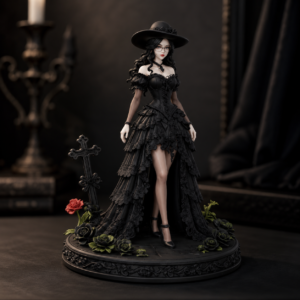
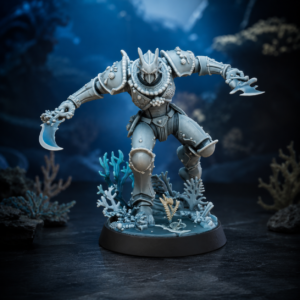
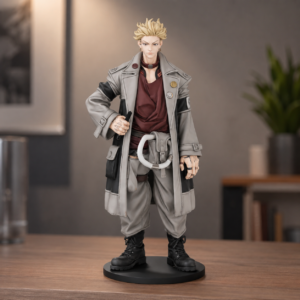
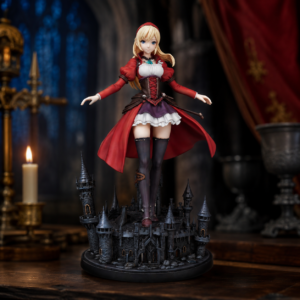
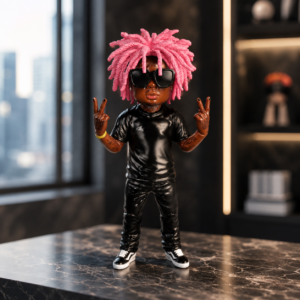
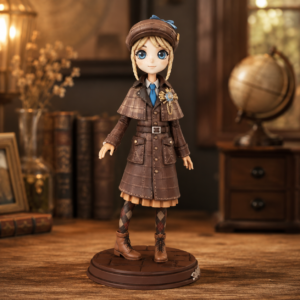
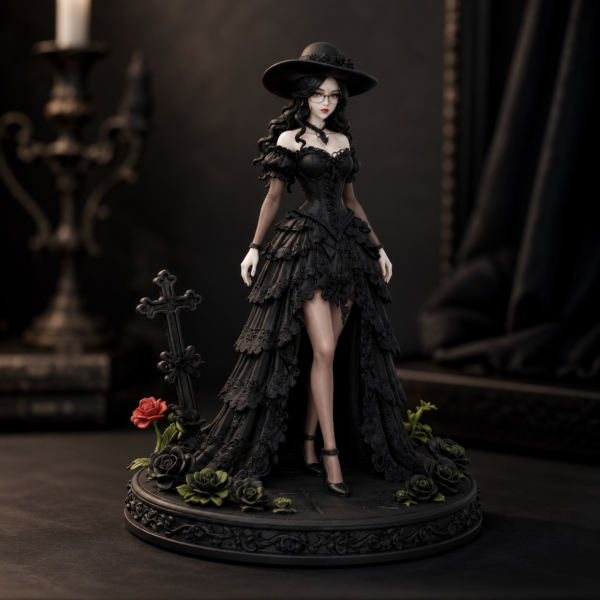
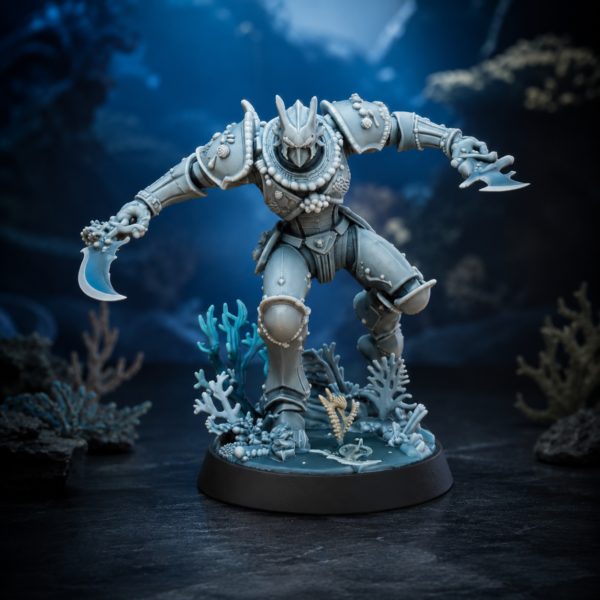
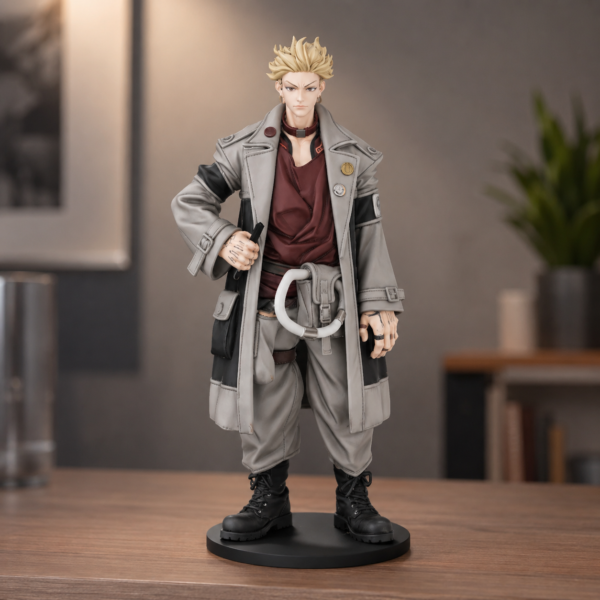
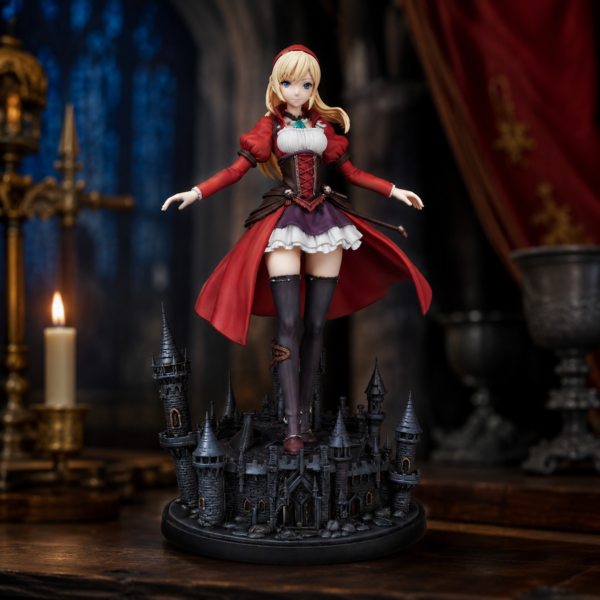
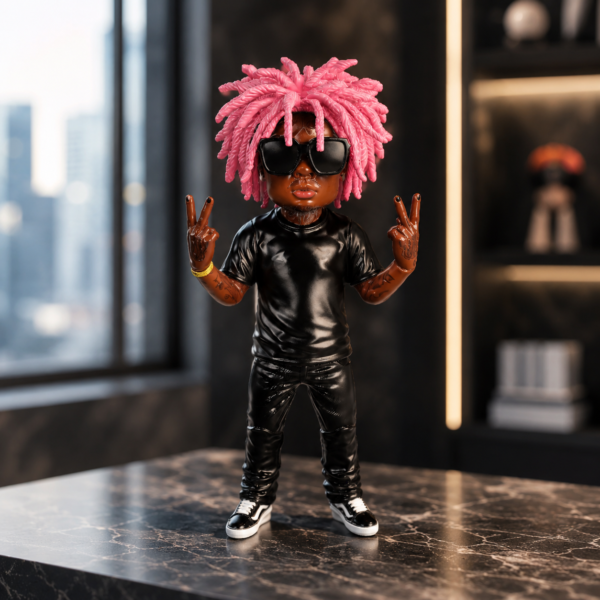
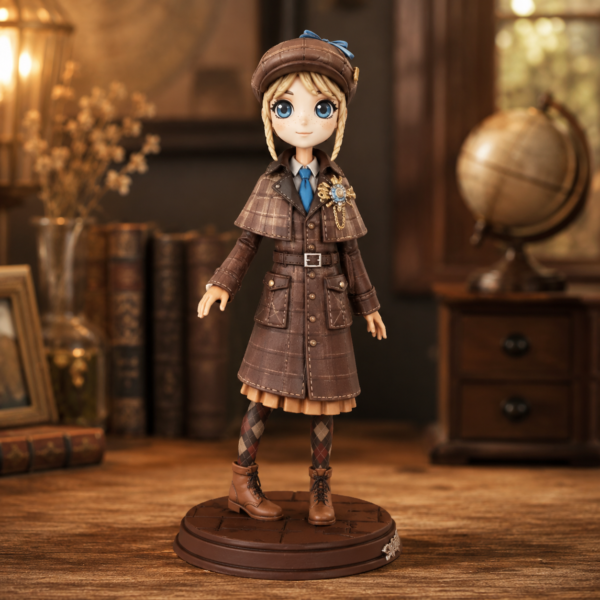
High Detail Custom Anime/Gaming Figure From Photo or Character Art
Commission a high detail custom anime figure from your photo, OC, cosplay, or gaming character, sculpted and hand-painted for display.
Questions to include with your quote request
- Can you work from my front, side, and back references, and which additional view would help most?
- Which outfit layers, hair features, expression, or colors should be treated as the highest priorities?
- Will my proposed pose and generic prop read clearly as a finished display composition?
- What base and display direction best suit the pose and the space where I plan to place it?
- Which parts of my reference are unclear, and what should I provide before the design is quoted?
- Can you confirm the final scope, finish, options, and approval points before production begins?
Frequently asked questions
Can I request a gaming character figure from an avatar?
Yes, if the avatar, original character, cosplay reference, or artwork is yours or you have permission to use it. Share the clearest available references and explain which visual details matter most.
Is this a movable action figure?
No. The matched GetFigmo product is a sculpted and painted display figure. The article uses “action figure” because that is how many shoppers search, but the product does not promise movable joints or interchangeable parts.
What if I only have one screenshot?
Send it with written notes about the unseen sides, outfit layers, colors, hair shape, expression, pose, and display direction. The team can tell you whether more references are needed before quoting.
Can I include a game logo or protected character design?
Only submit protected marks or character designs when you have the rights or permission required for the request. For a safer brief, focus on your own avatar, original character, permitted cosplay design, generic equipment, and your own color and pose direction.
When your references are ready, send the front, side, and back views together with your detail priorities and display plan. A focused brief makes it easier to decide what the final gaming figure should communicate—and what can be simplified without losing the character’s identity.