Action Figure Sizes: How to Choose a Custom Figure for a Desk, Shelf or Display Case
When people search for action figure sizes, they are usually trying to answer a practical question: will a figure look right and fit where they want to display it? For a custom miniature, the useful answer is more than a label such as 1 inch or 3 inch. Compare the finished height, the pose, the base footprint and the space around the figure before choosing a size.
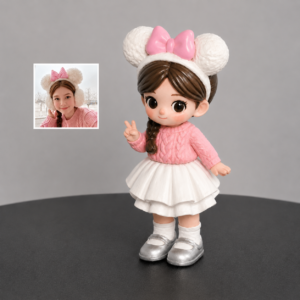
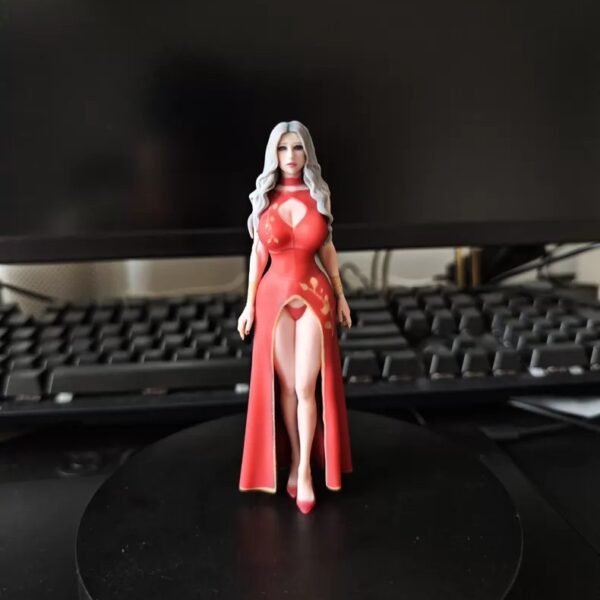
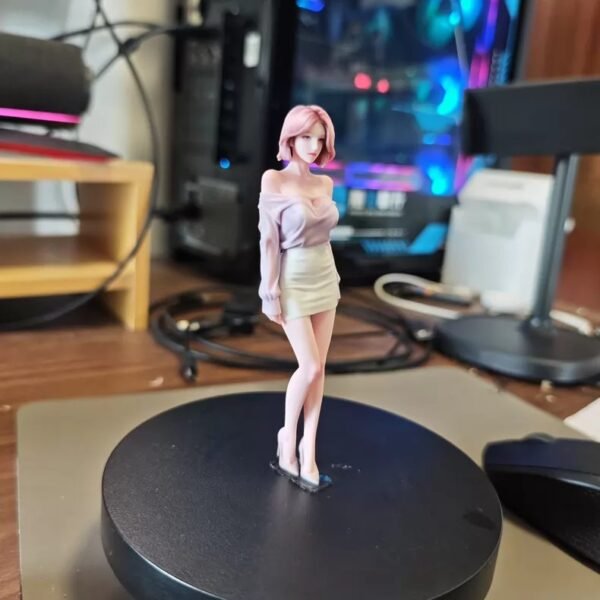
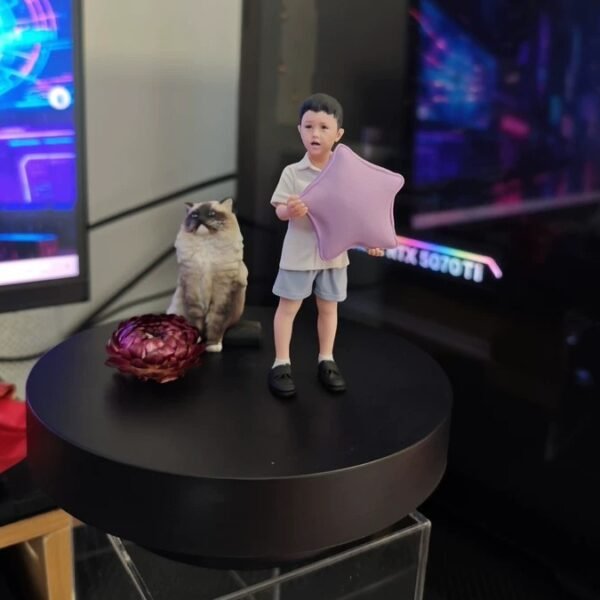
GetFigmo’s matched product is a non-articulated custom miniature/display figurine made from photo references. Its current product page lists approximate finished heights from 11 cm to 30 cm, with custom sizes possibly available. Those are current product options, not universal industry standards.
Start with the space, not a generic scale label
Measure the place where the finished piece will live. A desk may have plenty of width but limited depth beside a monitor. A shelf may have room for a group while a display case may impose a strict height and depth limit. Record three dimensions:
- Clear height: the distance from the shelf or case floor to the lowest obstruction above it.
- Clear depth: the front-to-back space available for the figure and its base.
- Clear width: the side-to-side room, especially if you plan to group several pieces.
Leave a little visual breathing room rather than choosing a figure that touches the boundaries. It makes the pose easier to see and gives you space to remove the piece safely.
What 1 inch, 2 inch and 3 inch figures really tell you
Terms such as 1 inch figures, 2 inch figures and 3 inch figures can be useful shorthand when comparing listings, but they should not be treated as a universal sizing system for custom figurines. Ask whether the number means the person height, the finished figure height, or the height including a base. Also ask whether the listed measurement is approximate.
Two figures with the same overall height can occupy different amounts of space. A wide stance, long coat, raised arm, large hairstyle or round base can increase the footprint. For a custom order, the final dimensions can also vary with the person’s proportions, hairstyle, pose, footwear and accessories.
Height is only one part of the measurement
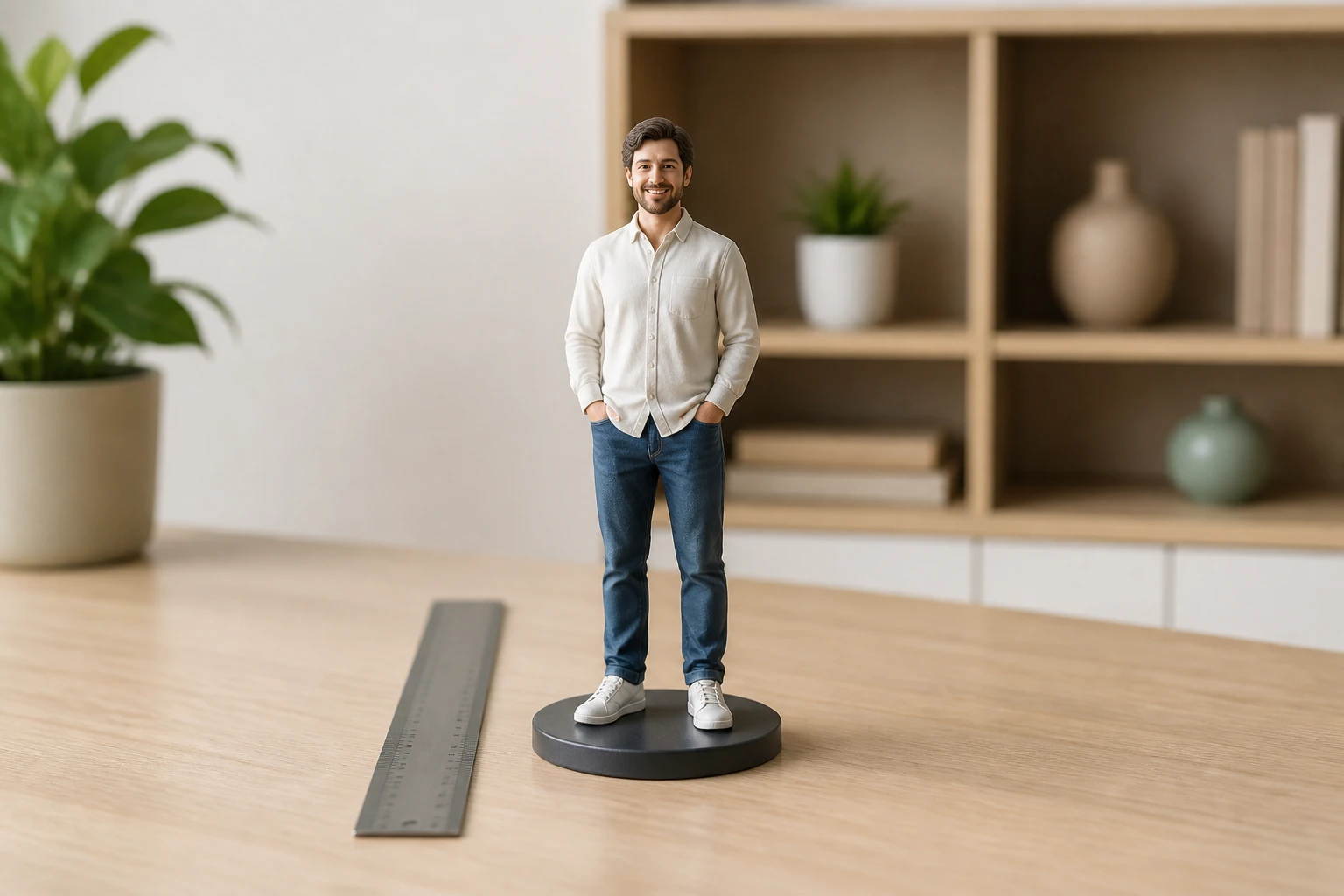
Overall height is the easiest number to compare, but it is not the whole display decision. Think of the figure as a small three-dimensional object with a vertical measurement and a footprint. A standing pose may use the available height efficiently, while an arm extended to the side may need more width. A broad base may need more depth than the body alone suggests.
For a simple conversion, 1 inch equals 2.54 cm. That means 2 inches is about 5.08 cm and 3 inches is about 7.62 cm. Use conversions to understand a listing, then confirm how the seller measures the finished piece. Do not assume a converted number guarantees a particular scale ratio or compatibility with a standardized toy system.
Standing, sitting and grouped poses change the fit
A standing figure is often the simplest choice when the available height is known. A sitting pose may reduce the total height, but it can extend farther forward or sideways depending on the chair, legs and base. A leaning pose can also change the center of the visual footprint even when the body is not especially wide.
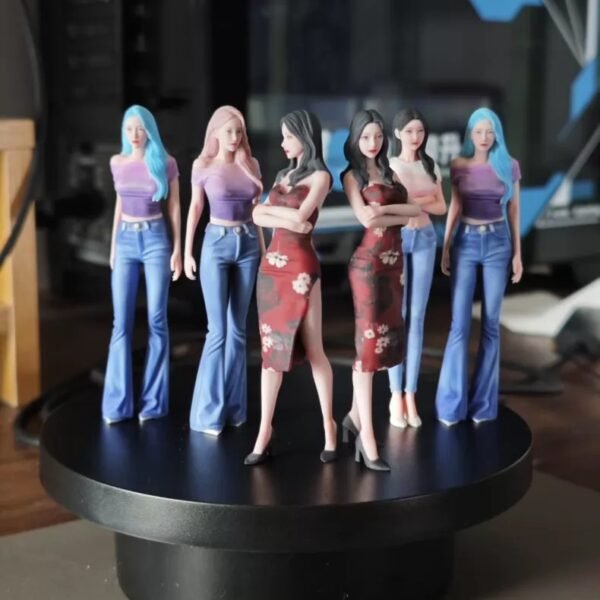
If you want several people or characters together, measure the full group rather than multiplying one figure’s width. Shoulder spacing, hand placement, props and the shared base can determine whether the group feels comfortable on a shelf. Ask for a layout that preserves readable faces and silhouettes instead of packing every person tightly into the smallest possible area.
Choose a viewing distance that keeps details readable
Size affects how easily a viewer can read the face, hair outline, clothing blocks and pose. A tiny piece viewed from across a room will rely more on silhouette and strong color separation. A larger piece on a desk may make facial direction, hairstyle and clothing details easier to appreciate.
Before requesting a quote, decide whether the piece will be viewed mostly close up at a desk or from farther away on a shelf. Consider the lighting too: a dark display case and a bright open desk can make the same surface details read differently. Prioritize the features that matter most—face, hairstyle, outfit shape and pose—rather than assuming every tiny mark will remain clear at every size.
Measure your desk, shelf or display case
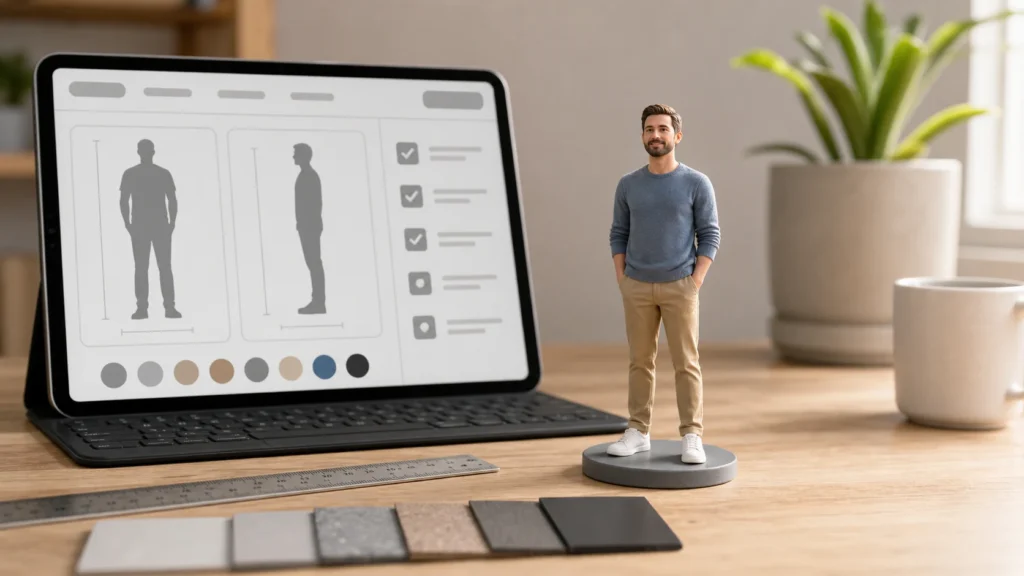
Use a tape measure or a simple paper mock-up to test the space. Mark the maximum height and footprint on paper, then place it where the figure will go. This can reveal issues that a product page cannot show, such as a monitor stand, cabinet door, shelf lip or nearby objects.
- Measure the empty height, width and depth.
- Subtract room for the base and a small amount of clearance.
- Note whether the figure must pass through a cabinet opening or door.
- Mark the viewing direction so the pose and face can be planned toward it.
- For a group, sketch the arrangement and measure the complete outline.
How GetFigmo’s current custom size options fit display planning
The current GetFigmo product page for a custom 3D miniature figure from photo describes a full-color, one-piece miniature made from a clear full-body photo. It lists approximate finished heights of about 11–30 cm, says custom sizes may also be available, and names desks, shelves and display cabinets as suitable locations. The page also notes that final dimensions can vary slightly with the person’s height, hairstyle, pose, footwear and accessories.
That makes the product a practical match for display planning, but it does not turn the listed options into standard action-figure scale labels. Share your measured space and preferred pose when asking for a quote so the maker can discuss the most suitable current option.
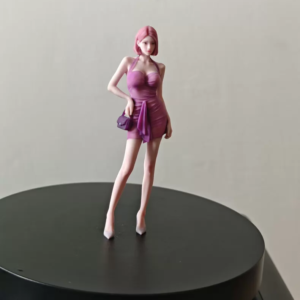
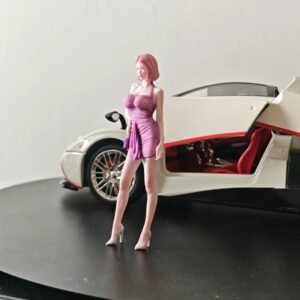
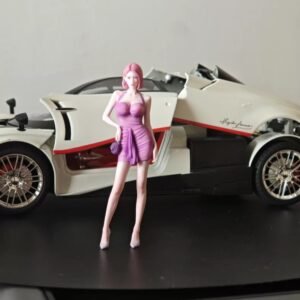
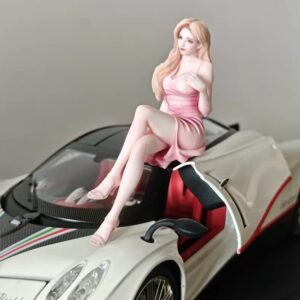
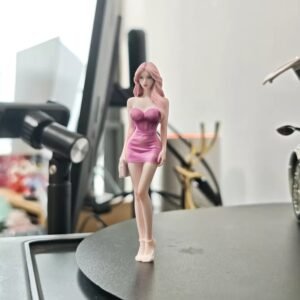
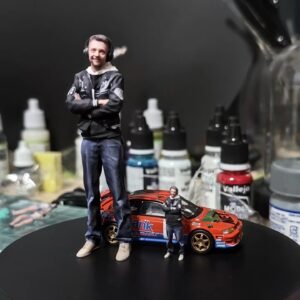
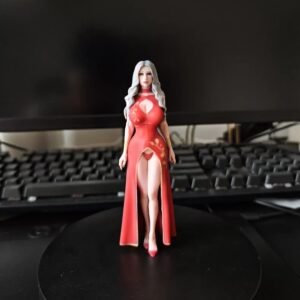
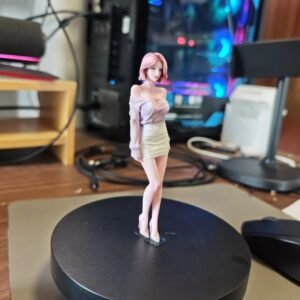
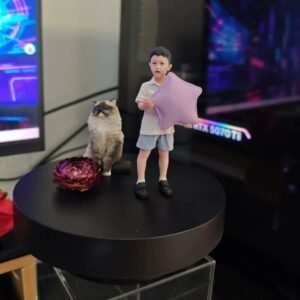
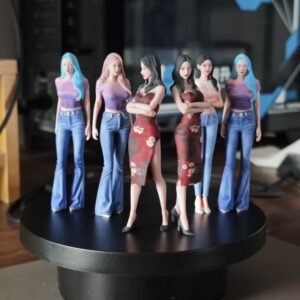
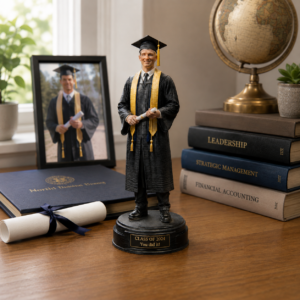
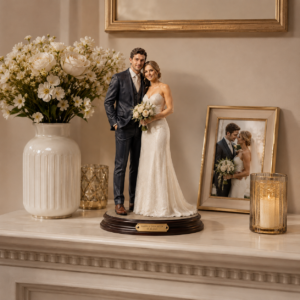
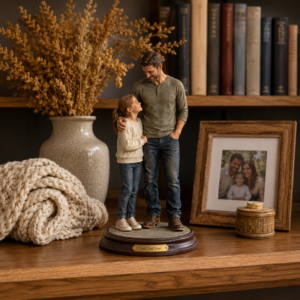
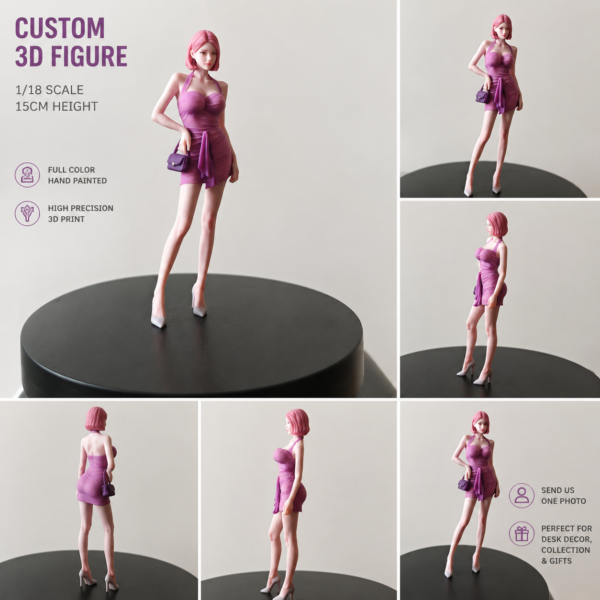
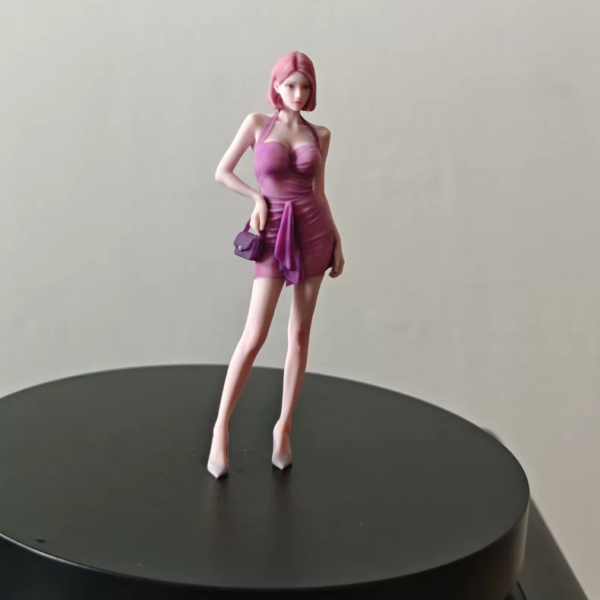
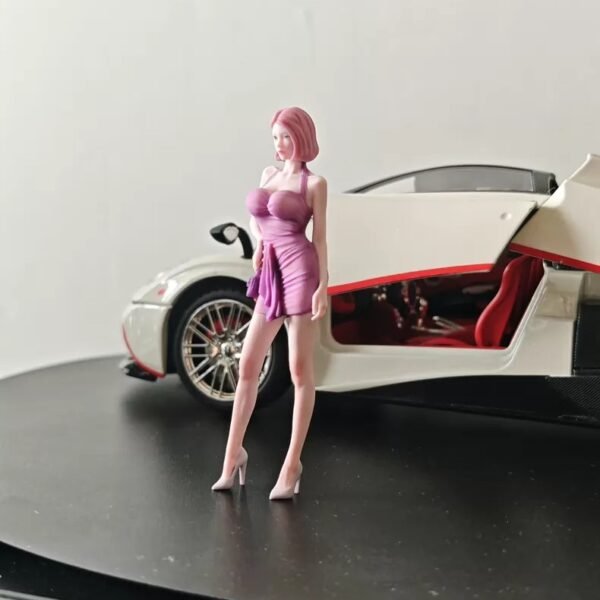
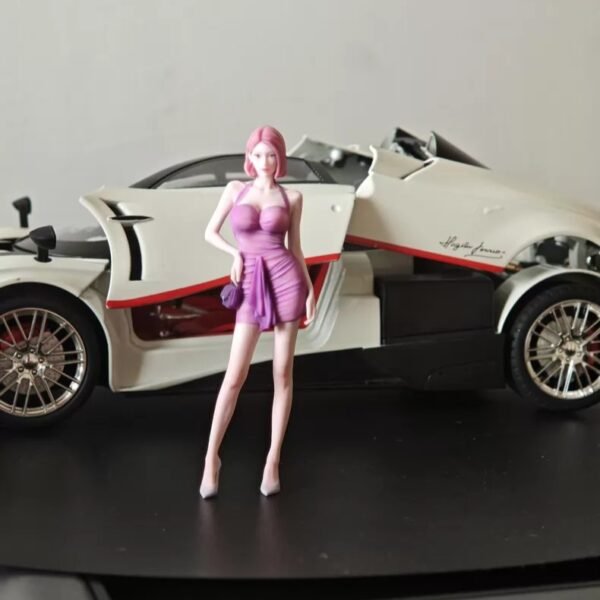
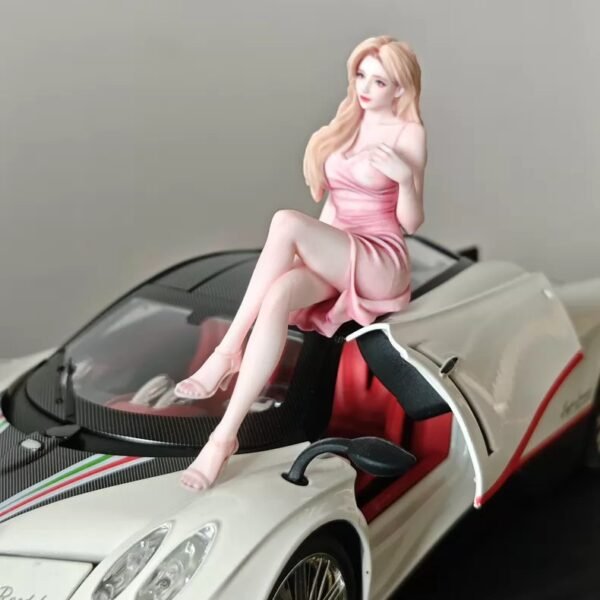
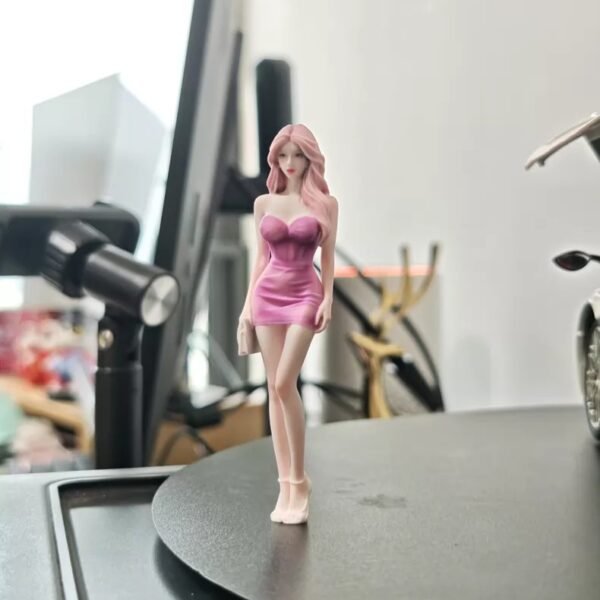
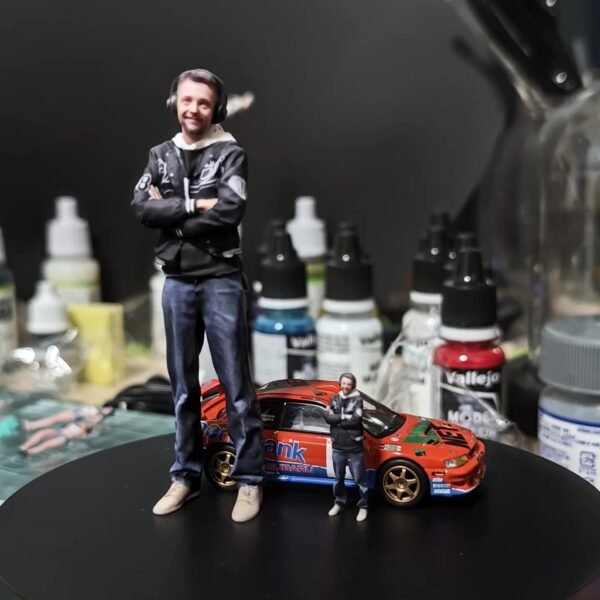
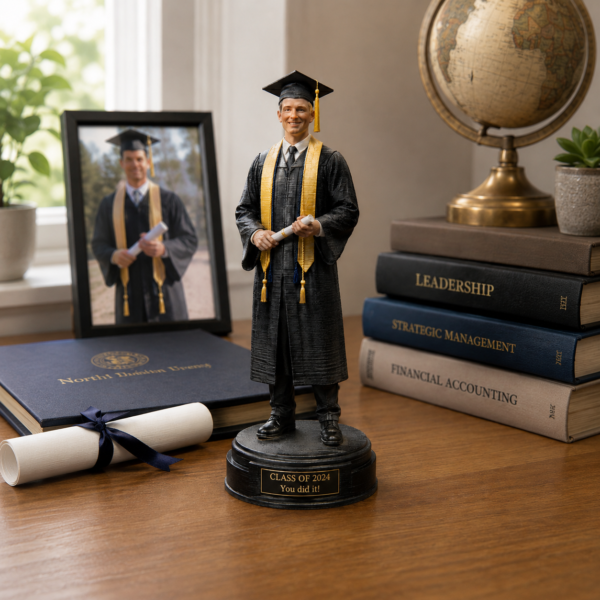
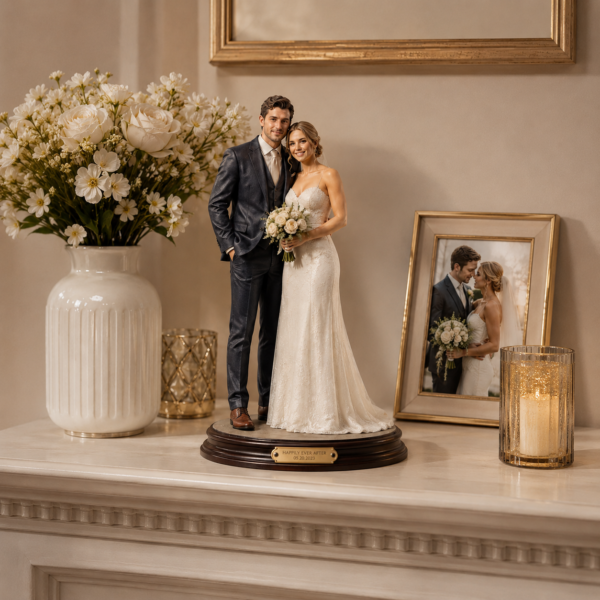
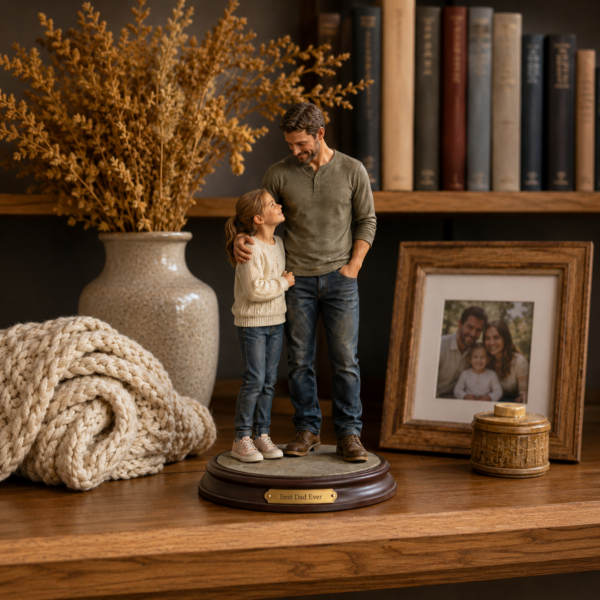
Custom 3D Miniature Figure from Photo – Personalized Mini Me Figurine (Message for Quote)
Custom 3D miniature figure made from your photo. Full-color printed mini me figurine with realistic detail. A personalized gift for any occasion.
Questions to include when asking for a custom quote
A useful quote request gives the maker enough context to discuss the result honestly. Include:
- the maximum finished height and footprint your space allows;
- whether the figure will stand, sit or be part of a group;
- the viewing direction and approximate viewing distance;
- the face, hairstyle, outfit and pose details that should read first;
- clear full-body references, plus side or back photos when useful;
- whether you prefer a current listed size or want to ask about a custom size.
Ask how the finished height is measured, whether the base is included, and how the selected pose may affect width or depth. These questions are more useful than relying on a label alone.
FAQ about action figure sizes
Are 1 inch, 2 inch and 3 inch figures standardized?
No. Those phrases can be shorthand, but sellers may measure different parts of a finished item. Confirm the measurement method, whether a base is included and whether the number is approximate.
What size works best for figures for desk display?
Choose the largest current option that leaves comfortable clearance around the figure and base, while keeping the face and pose readable from your usual seat. The right choice depends on your desk dimensions and viewing distance, not on a universal label.
Can I request a custom size?
The current GetFigmo product page says custom sizes may be available. Include your maximum height, width and depth, plus the intended pose, when requesting a quote so the available options can be discussed.
Should I measure the figure or the base?
Measure both. Overall height determines vertical clearance, while the base and pose determine the footprint. A figure can fit under a shelf and still be too deep for the available space.
Once you know the space, pose and details you want to preserve, ask GetFigmo for a custom miniature figure quote with your measurements and photo references.