Custom 3D Family Figurines: Planning Photos, Poses and Group Details
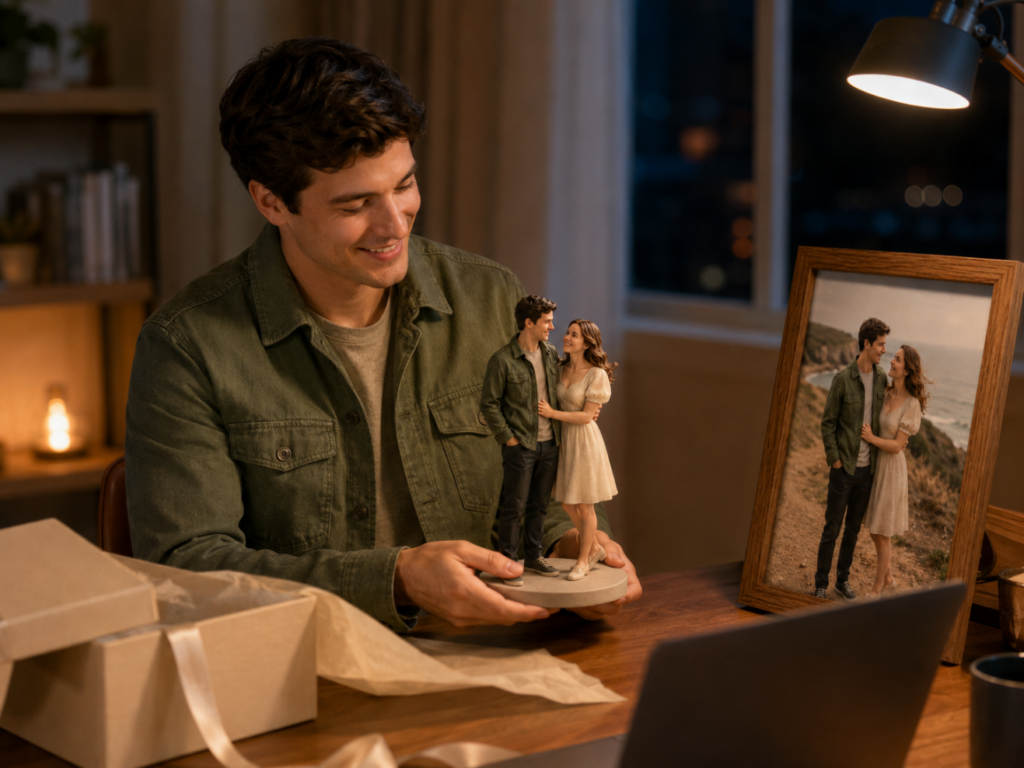
Custom 3d family figurines are easiest to plan when you treat the project like a small portrait session: decide who belongs in the scene, choose references that show each person clearly, and describe the pose and display format before requesting a quote. This guide walks through the practical decisions that help a family group read well as a finished 3D keepsake.
Start with the story you want the figurine to show
Before choosing photos, write one sentence about the moment you want to preserve. It might be everyone standing together, a parent holding a child, siblings gathered around a pet, or a relaxed family pose for a shelf. That sentence helps the designer understand which details matter most when every person cannot be shown at the same scale or angle.
A useful brief names the people and pets, the preferred style, the approximate display location, and any must-keep details such as a hairstyle, outfit color, glasses, hat, mobility aid, favorite toy, or meaningful accessory. Keep the request descriptive rather than relying on a single label such as “make it realistic.”
One group photo or multiple references?
A single group photo is a helpful starting point because it shows the relationship between people, relative positions, and the overall mood. However, one image may hide a face, hair detail, shoe, or side profile. For a larger group, multiple references can give the artist better information.
- Use one group image when everyone is visible, faces are readable, and the pose already resembles the scene you want.
- Add individual or secondary photos when someone is partly turned away, sitting behind another person, wearing an important accessory, or difficult to see in the group shot.
- Label the references with simple notes such as “left adult,” “child in front,” or “dog beside the base” so the intended identity and placement are unambiguous.
Think of a 3d printed family photo as a set of visual references, not necessarily a literal copy of one frame. If the best face photo and the best full-body pose come from different moments, say so when you request the quote.
Keep every face readable
Faces are small in a group design, so clarity matters more than artistic complexity. Choose good light, avoid heavy filters, and send images where hair does not cover the eyes. A front-facing or three-quarter reference usually gives more usable information than a distant snapshot.
For children, include a recent image if their hairstyle or proportions have changed. For pets, show the face, ears, markings, and body shape. If glasses, facial hair, a head covering, or a distinctive pattern is central to recognition, mention it in the notes and include a close reference.
Plan height, depth, and positions
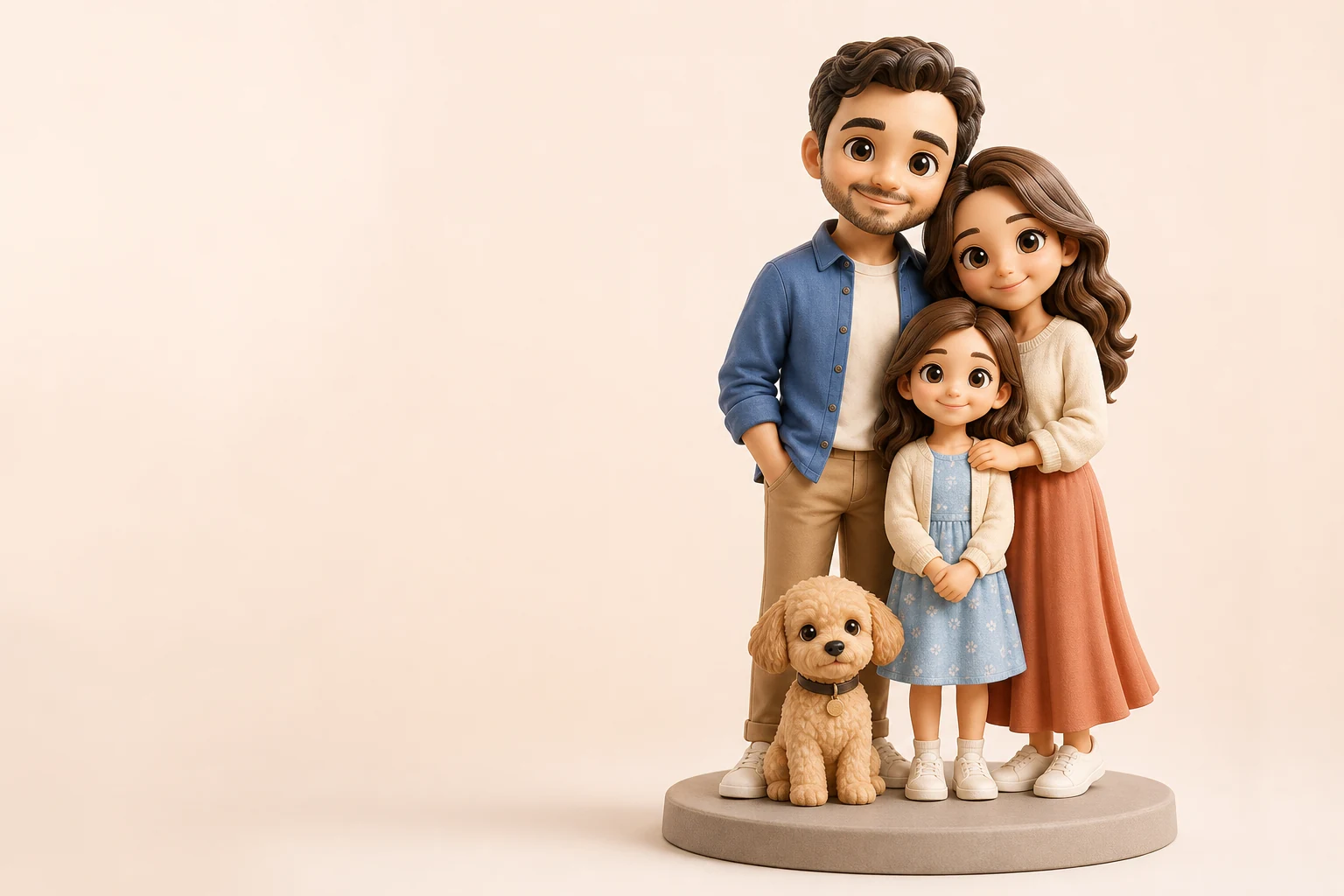
Group figurines need a clear visual order. A simple arrangement often works best: taller adults toward the back, shorter family members slightly forward, and pets placed where they do not hide a face or create a fragile point of contact. You can also stagger people left to right instead of placing everyone on one straight line.
- Ask for enough spacing that hair, arms, and clothing edges remain distinguishable.
- Use a seated, kneeling, or held pose when it tells the story, but identify which contacts must be structurally supported.
- Describe whether the group should face forward, look toward one another, or form a casual angle.
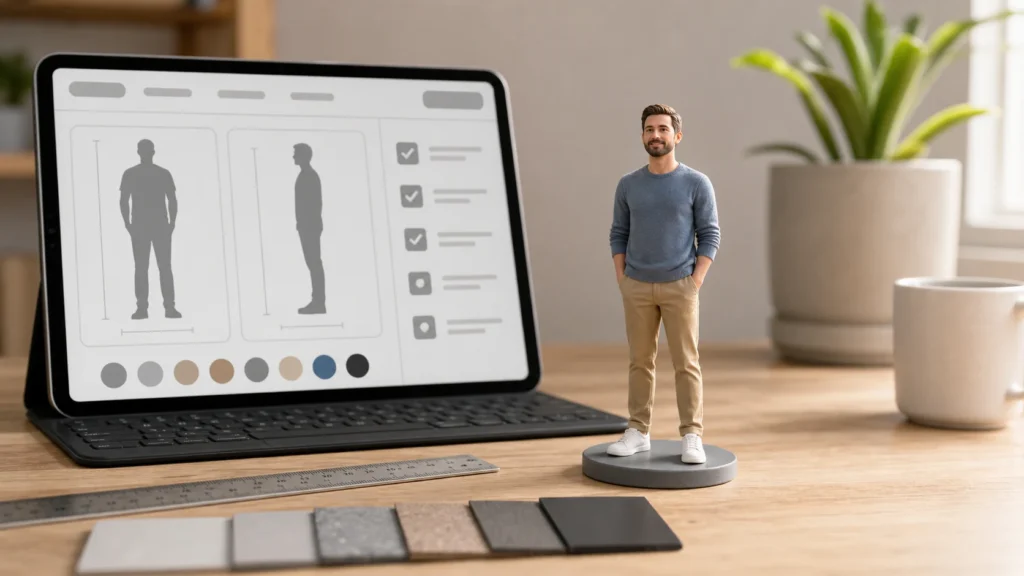
- Share the shelf or desk location if the base must fit a particular footprint.
Do not assume that a larger group automatically fits every size option. The supported group size, dimensions, and pricing must be confirmed for the chosen product and design before you order.
Shared base or separate figures?
A shared base makes the scene feel like one family portrait and can simplify placement on a shelf. Separate figures may offer more flexibility if you want to rearrange the group or have different people displayed in more than one setting. A connected pose can look cohesive, while a little separation may make individual details easier to read.
Ask which approach is recommended for your pose, how the pieces will be supported, and whether the intended display surface has enough room. If a child is being held or a pet is leaning against a person, explain the contact points early rather than leaving stability to the final stage.
Coordinate clothing and colors without making everyone identical
Clothing is one of the strongest visual cues in a small figurine. You can request a coordinated palette without asking every person to wear the same outfit. For example, describe a shared accent color, light and dark layers, or a specific occasion style. Avoid tiny patterns that may disappear at the finished scale, and call out any garment that is important to the family story.
Include front and side views when a long dress, jacket, uniform-like outfit, backpack, or hat affects the silhouette. Generic descriptions are safer and clearer than references to protected logos or branded characters. If a team mark or other protected design is essential, confirm that it can be used before including it in the brief.
Including children and pets
Children and pets can add personality, but their proportions and poses need special attention. State whether a child should stand, sit, hold a hand, or be carried. For a pet, describe the breed or general body shape, coat color, markings, collar, and the pose you want preserved. A clear pet reference can be more useful than a group photo where the animal is partly hidden.
For a family with several pets or young children, ask the maker to confirm the proposed arrangement before production. This is also the right time to discuss whether any small accessory should be simplified so the group remains stable and recognizable.
What to include when you request a quote
Send the intended group list, clear references, preferred style, pose, clothing notes, pet details, base preference, approximate size, finish, and display surface. Add the date by which you need a design decision, but do not assume a production or shipping date until the maker confirms it.
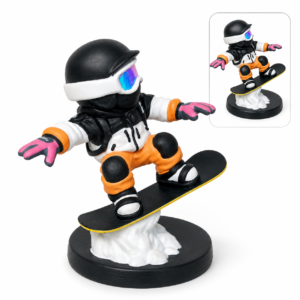
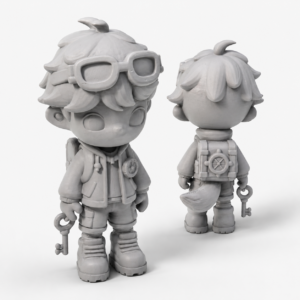
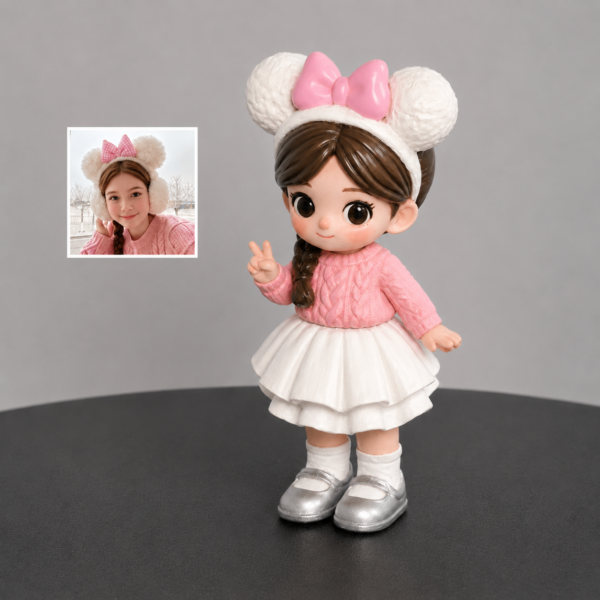
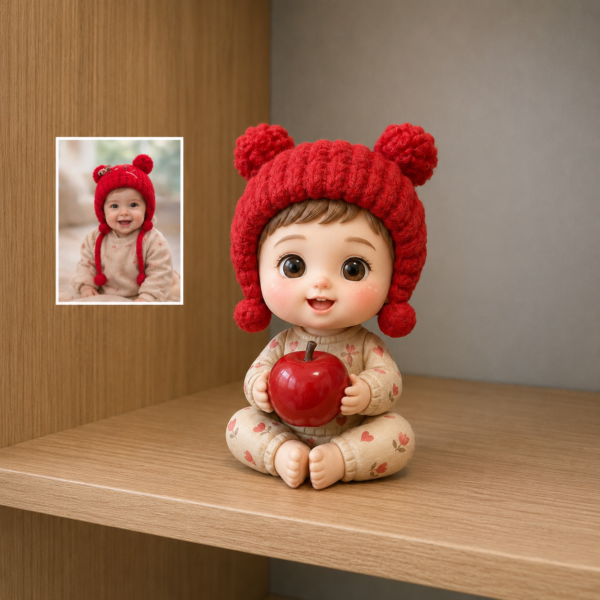
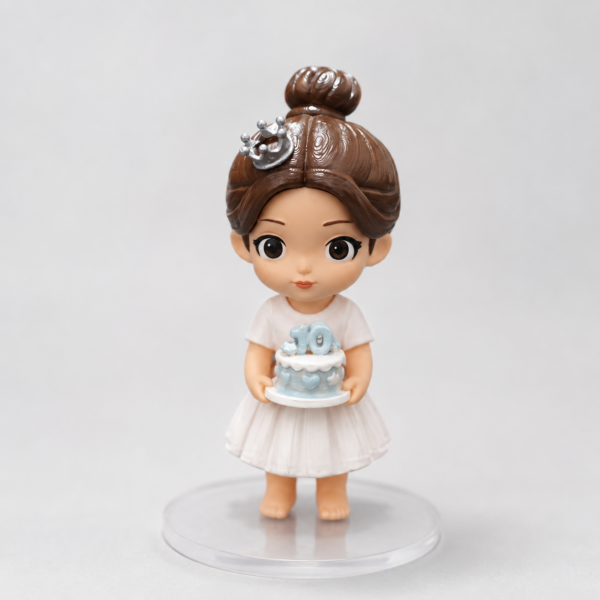
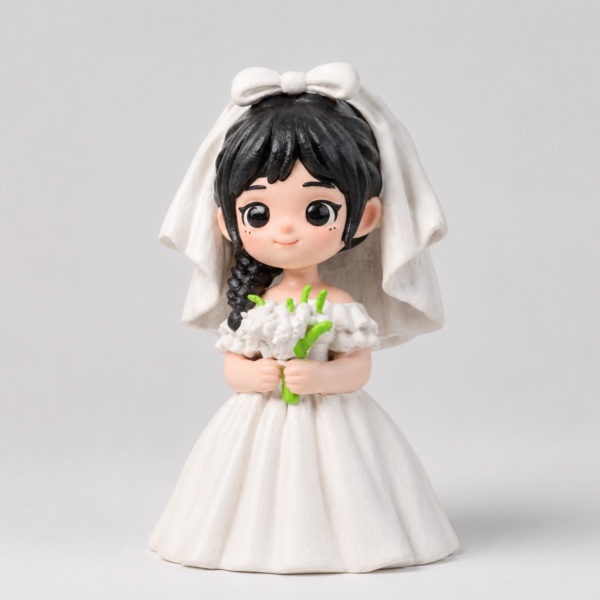
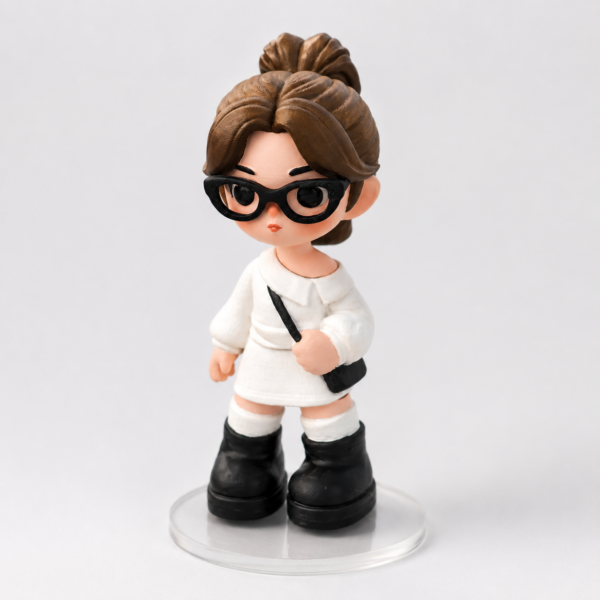
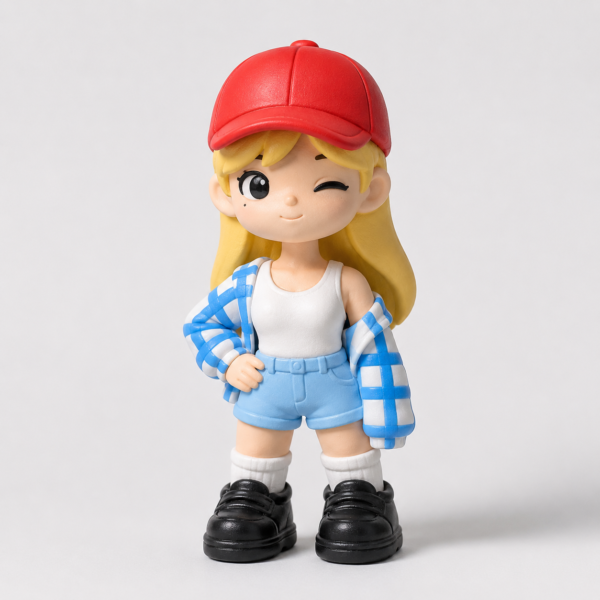
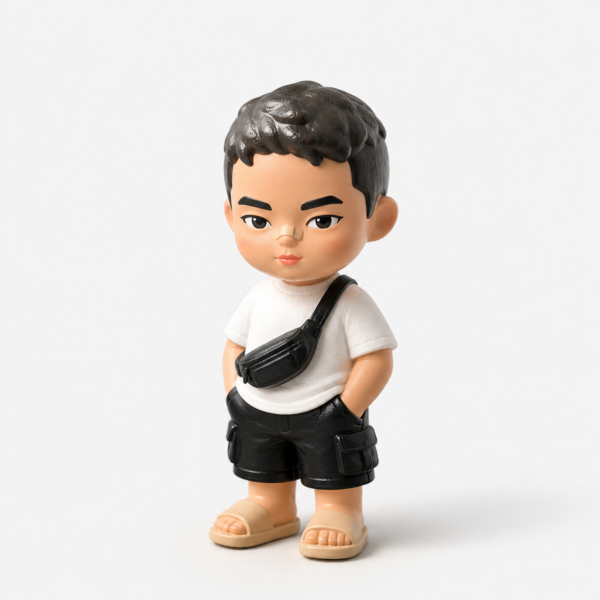
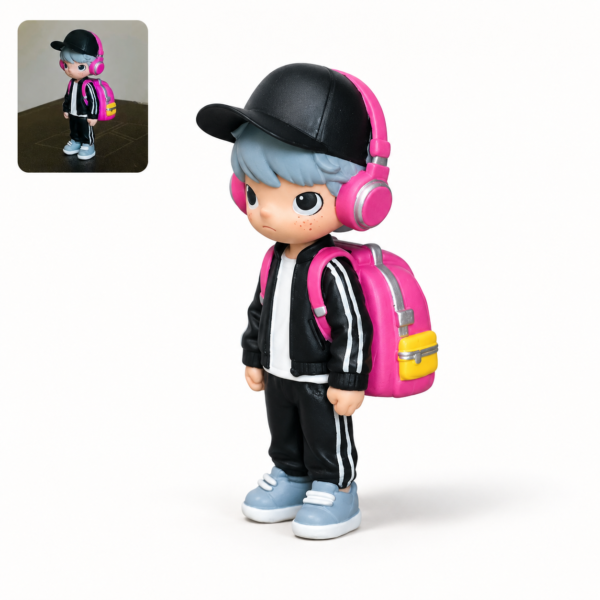
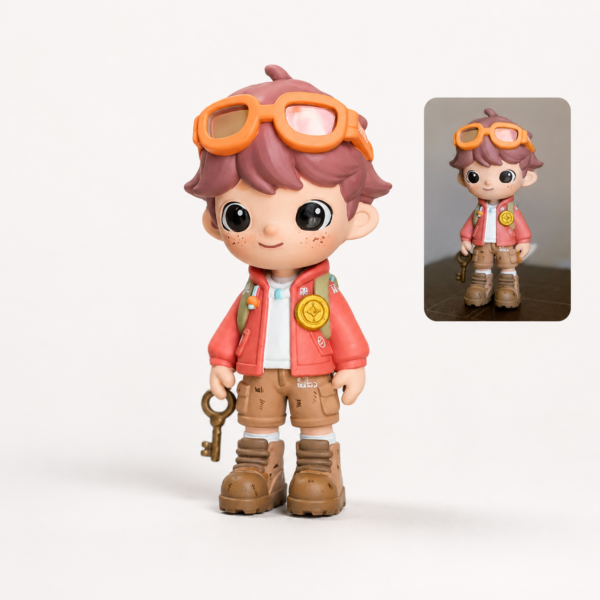
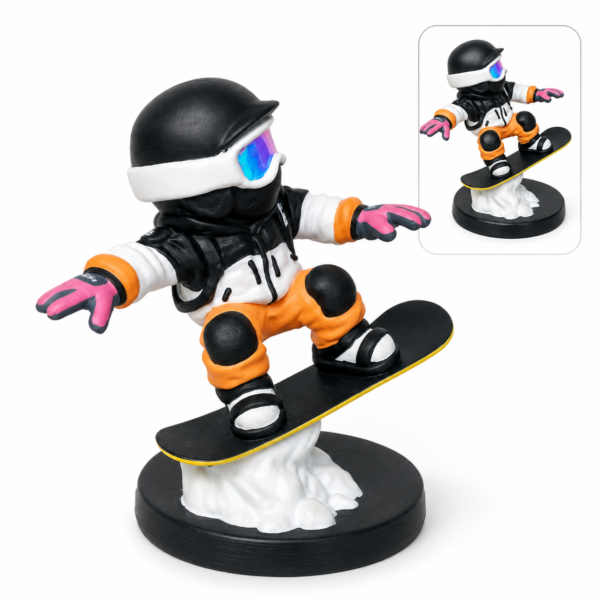
Figmo’s Personalized 3D Chibi Figurines From Photos of People or Pets is a relevant starting point because its live product description supports a person, pet, couple, or family and asks customers to share photos, size, finish, pose, outfit, and other customization notes. Review the product details and use the request-for-quote path to confirm whether your exact group and arrangement are supported.
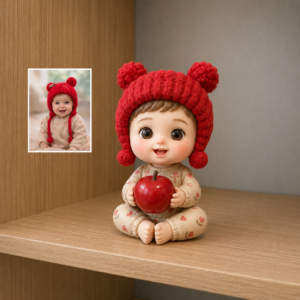
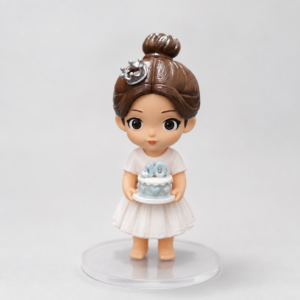
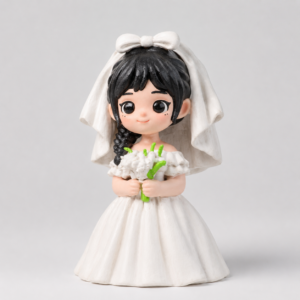
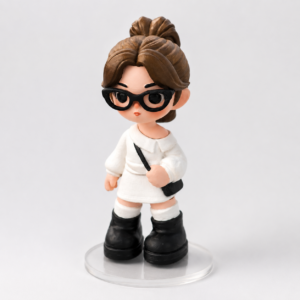
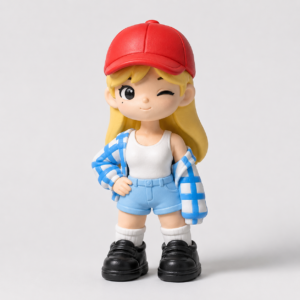
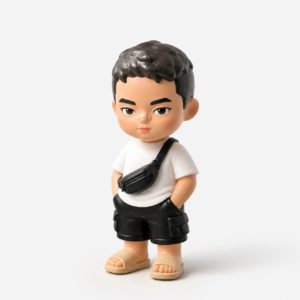
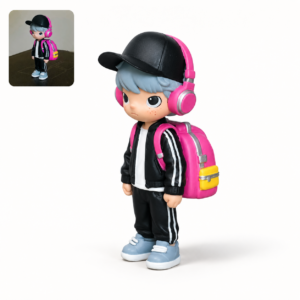
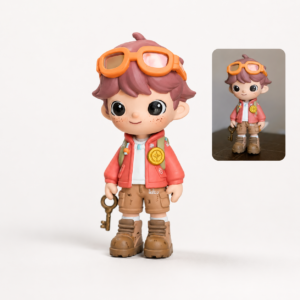
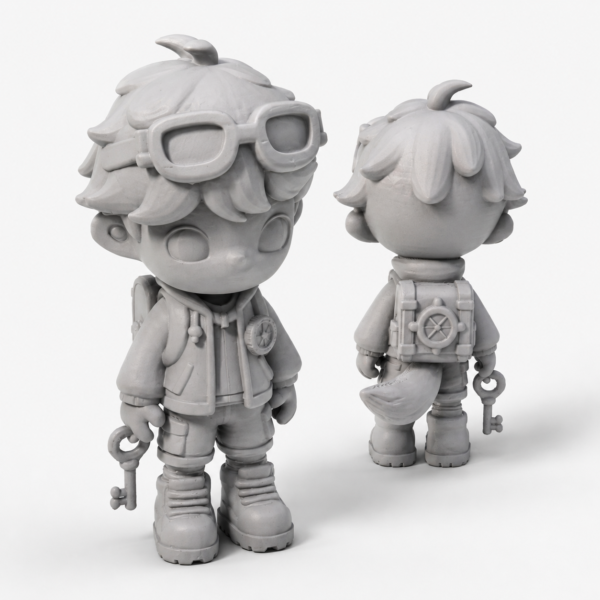
Personalized 3D Chibi Figurines From Photos of People or Pets
Create personalized 3D chibi figurines from photos of people or pets, with cute big-head proportions and optional painting.
Family figurine planning checklist
- List every person and pet and identify each reference.
- Choose one group pose and note any must-keep relationships or gestures.
- Provide close, well-lit face references where the group photo is unclear.
- Decide whether you prefer a shared base or a separated arrangement.
- Describe clothing colors, accessories, pet markings, and the display location.
- Ask the maker to confirm group size, dimensions, pricing, and design feasibility.
Frequently asked questions
How many people can a family figurine include?
There is no universal maximum. The supported group size and pricing depend on the chosen product, finished dimensions, pose, base, and how the people or pets can be arranged. Ask for confirmation with your reference photos before ordering.
Can I use more than one family photo?
Often, multiple references are useful when one group photo does not show every face, outfit, or pet clearly. Tell the maker which image should guide the overall pose and which images provide extra detail.
Should everyone wear matching clothes?
No. A coordinated palette can make the group look intentional while preserving each person’s identity. Describe the colors and silhouettes you want, and avoid tiny details that may not remain legible at the final size.
Final takeaway
The best 3d printing family portrait brief balances emotion with practical information: who belongs in the scene, what each person should be doing, which details make them recognizable, and how the finished group should stand. Prepare clear references, plan the arrangement, and ask the maker to confirm the group size and quote before production.
Ready to explore the next step? Review the personalized chibi figurine product and send a focused family brief for confirmation.