Yes—usually. A flat photo gift reproduces an image on a two-dimensional surface. A 3D printed portrait relief adds raised facial features, hair, clothing, and selected background details so light can create real highlights and shadows. It is not the same as a full 3D figurine: a relief portrait keeps the subject within a framed, front-facing composition designed for display.
That difference changes how you choose the reference photo, how the portrait is lit, and where the finished piece works best. If you want a personal image to feel more like wall art or a keepsake plaque than a standard print, a relief format can be a practical middle ground between a flat picture and a freestanding statue.
What makes a 3D printed portrait a relief?
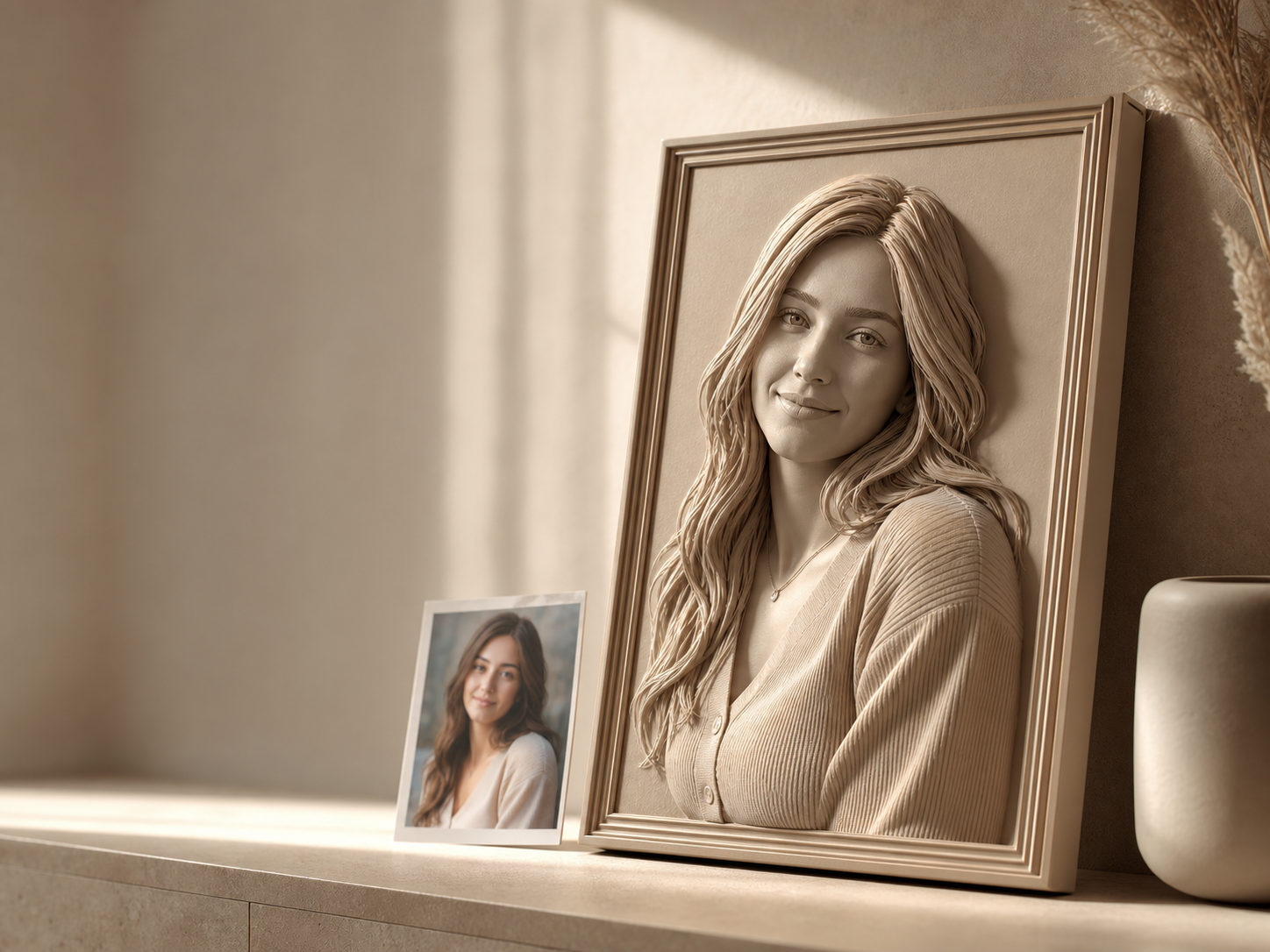
A relief portrait is a sculpted surface with varying depth rather than a complete object modeled on every side. The face projects forward from a background, while features such as the nose, brows, lips, hair, collar, or clothing folds can sit at different levels. The frame gives the composition a defined boundary and makes it easy to display on a wall, shelf, memorial corner, or another meaningful spot.
Because the viewer normally sees the portrait from the front or at a slight angle, the design prioritizes recognition and readable depth over a full rotation. That can be an advantage when the source image is a portrait, wedding photograph, graduation picture, family image, or memorial photo with one important viewpoint.
Flat photo vs. relief portrait vs. full 3D figurine
These three formats preserve a photo in different ways:
- Flat photo print: preserves color, texture, and the exact two-dimensional composition. It needs no sculpted depth, so the original image remains the main visual information.
- 3D relief portrait: translates the subject into a raised surface inside a frame. Its depth becomes visible through shadows, highlights, and changes in viewing angle, while the portrait stays compact and front-facing.
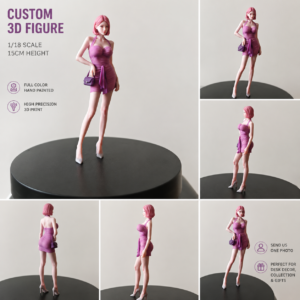
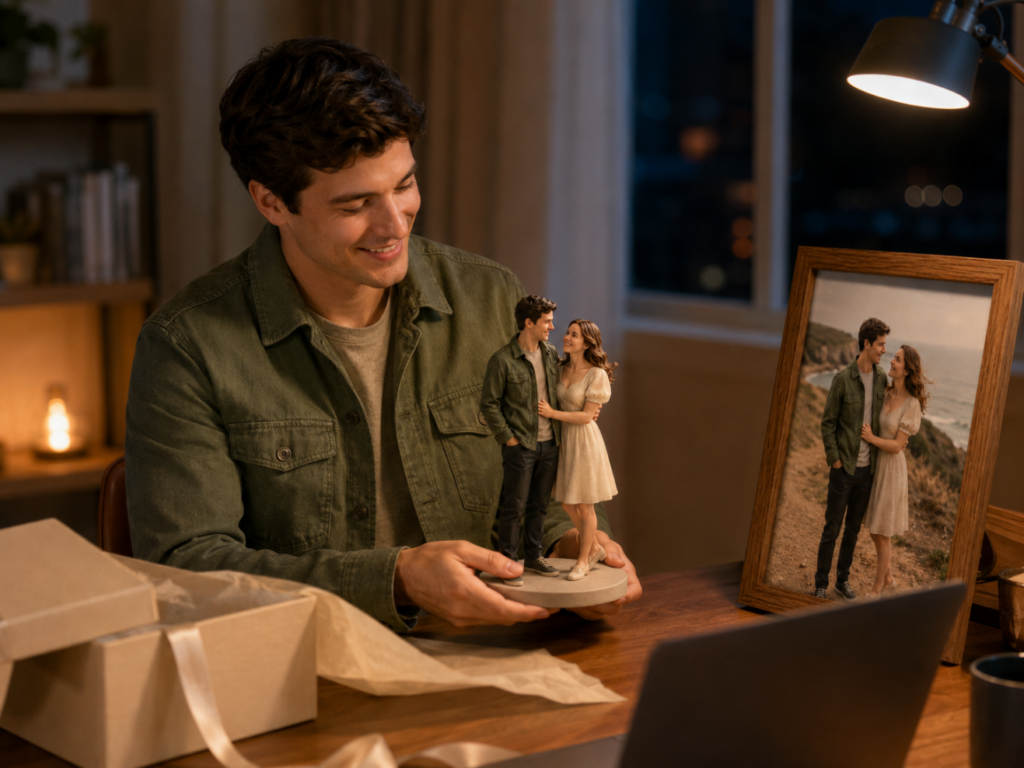
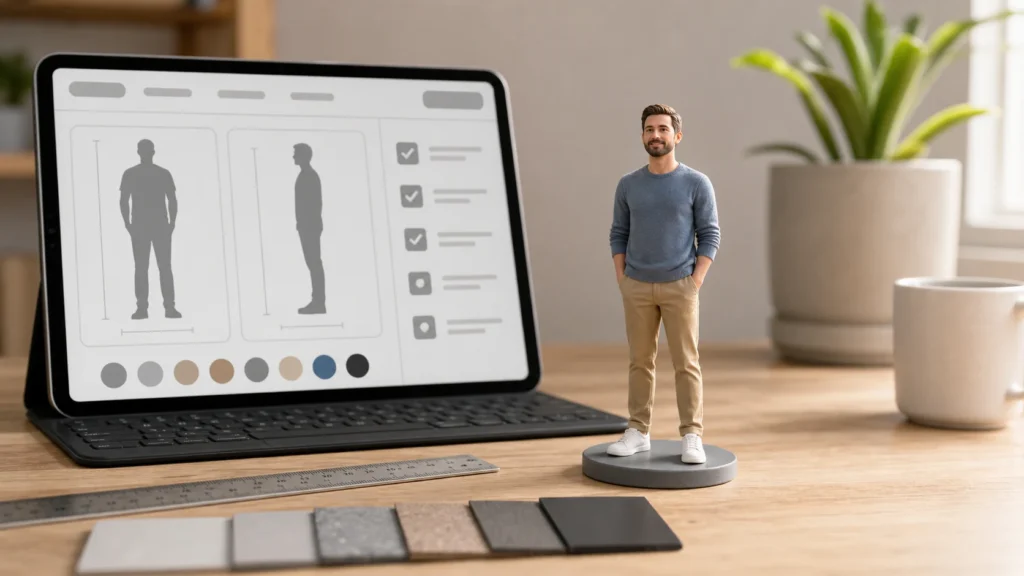
- Full 3D figurine: turns a person into a freestanding figure with a body, pose, silhouette, and details intended to be viewed around the object. It is better suited to a complete character or full-body display concept than to a close portrait composition.
A relief is worth considering when the face and upper-body character matter most, but you still want a physical object with more presence than paper. A full figurine may be the better direction when the pose, outfit, accessories, or whole-body silhouette are the heart of the idea.
How depth changes facial visibility
Depth is useful only when it supports the way the portrait will be viewed. A raised brow, nose, cheek, or chin can catch light differently from the surrounding surface, helping the face read as a sculpted interpretation rather than a flat reproduction. Hair can also benefit from simplified layered forms that create a clear outline and gentle shadow.
That does not mean every tiny facial feature should be exaggerated. At a display scale, the strongest result usually comes from a clear hierarchy:
- Keep the overall head shape and expression recognizable.
- Preserve the hairstyle or silhouette that makes the subject feel familiar.
- Use clothing edges and neckline shapes to establish the portrait’s lower boundary.
- Simplify background clutter that competes with the face.
- Identify the two or three details that matter most before the design is prepared.
A useful custom 3D portrait is an interpretation of the reference, not a promise that every pixel becomes a separate raised element. The clearer your priorities are, the easier it is to balance facial visibility, depth, and a clean composition.
Choose a reference photo for a custom 3D portrait
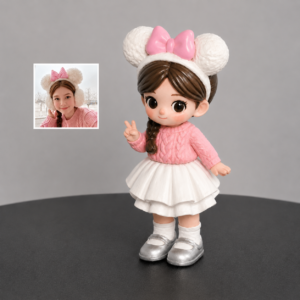
The best starting image is usually bright, sharp, and easy to read at the face. A front-facing or three-quarter view gives the artist a useful sense of the facial structure and expression. Avoid photos where hair, sunglasses, hands, heavy shadows, or another person hides the features you want to preserve.
Before sending a photo, check:
- Face visibility: eyes, nose, mouth, and the outline of the face should not be blurred or covered.
- Lighting: even light makes facial planes easier to interpret than a strongly backlit or very dark image.
- Expression: choose the moment you want the finished portrait to communicate.
- Clothing: include enough of the collar, neckline, or upper-body shape to define the composition.
- Background: a simple background helps separate the subject from unnecessary visual noise.
If one image has the best expression but another shows the hair or clothing more clearly, label each reference by its job. Explain which photo is the identity reference and which one supplies a detail. That is more useful than uploading several similar images without guidance.
Background simplification is part of the design
A flat photograph can include furniture, scenery, text, decorative objects, and other people without making the subject difficult to recognize. In relief, those elements compete for depth and may make the frame feel crowded. Simplifying the background gives the face and key contours more visual priority.
Ask which background elements carry meaning and which are just context. A small floral shape, architectural edge, or clothing detail may be worth retaining if it helps tell the story. A busy room, random objects, or distant scenery can often be reduced to a quieter surface so the portrait remains legible.
This is also where framing matters. The crop should leave enough room around the head and shoulders without creating large empty areas that make the portrait feel disconnected from its frame. Think about the viewing distance and the direction from which most people will see it.
Use lighting to reveal relief depth
Lighting is one of the clearest differences between a flat photo and a relief display. A light source from the side can create shadows along raised features and make the contours easier to notice. Soft, angled daylight often gives a more readable effect than bright light aimed straight at the surface.
When choosing a display location, consider:
- Whether light reaches the portrait from one side or from above.
- Whether a glass reflection, strong glare, or deep shadow will obscure the face.
- Whether the frame will be viewed straight on, from a desk, or from across a room.
- Whether the surrounding wall or shelf color gives the portrait enough contrast.
A relief can still look subtle in diffuse light. That is not a defect; it is a reminder that the object communicates through surface form as well as color. If visible depth is important to you, describe the intended display environment when discussing the design.
Where a relief portrait works best
A framed relief portrait suits places where the image can remain visible without requiring the footprint of a complete figure. It can be considered for a shelf, wall display, desk, family memory area, or another location where a personal portrait has meaning. The format also works for gifts because the frame gives the finished piece a clear presentation rather than leaving the portrait as an unfinished sculpted component.
Choose the display setting before finalizing the crop. A narrow shelf may favor a portrait with a quiet background and a stable frame. A wall location may give the composition more breathing room. For a memorial display, a calm expression and uncluttered background can help the subject remain the focus.
Why the relief format can be the right middle ground
A flat print is faithful to the original image but has no physical depth. A full figurine has strong dimensional presence but requires decisions about body pose, support, and how the subject looks from more than one direction. A relief portrait occupies the space between them: it gives the face and selected details a sculpted surface while keeping the original portrait viewpoint central.
That makes the format especially suitable when you want:
- A portrait-led composition rather than a full-body scene.
- Visible depth without a freestanding statue.
- A defined frame for shelf or wall display.
- A personal reference photo to remain recognizable.
- Lighting and shadows to become part of the visual experience.
A product option for a personalized relief display
GetFigmo’s Custom 3D Relief Portrait Photo Frame From Your Photo is a direct fit for this format. Its live product description says the piece is sculpted from a photo or design reference, with the face, hair, clothing, and background details developed into a raised portrait for framed display. The description also says the finished piece is sanded, detailed, painted, and sealed, then packed for gifting.
Before requesting a quote, send a clear front-facing or three-quarter photo and explain the details you want emphasized. You can also note the intended style, size, colors, background, finish, or display setting. If the image is unclear, GetFigmo may ask for another reference before production so the design can follow your idea more closely.
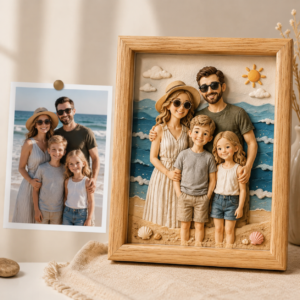
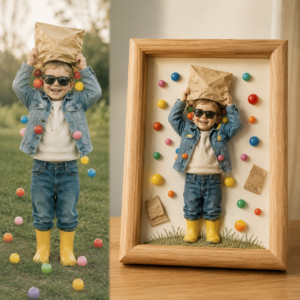
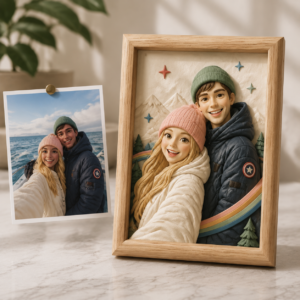
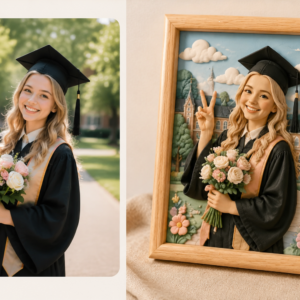
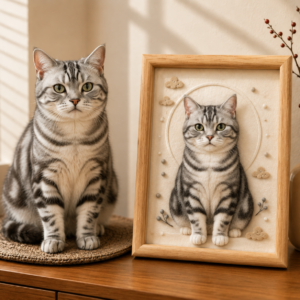
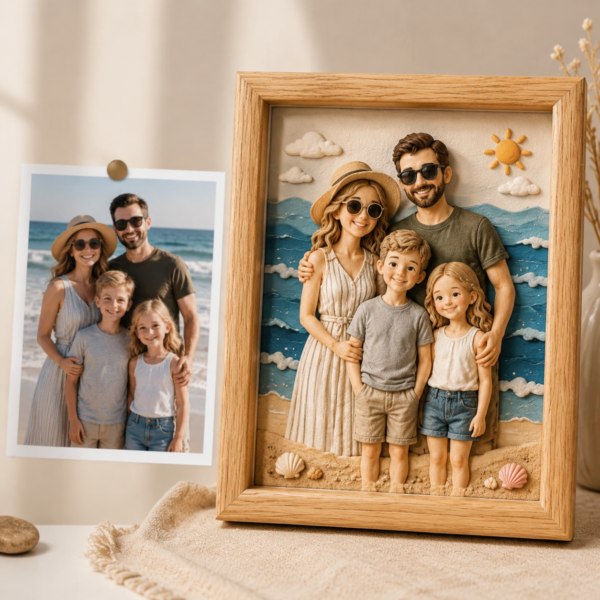
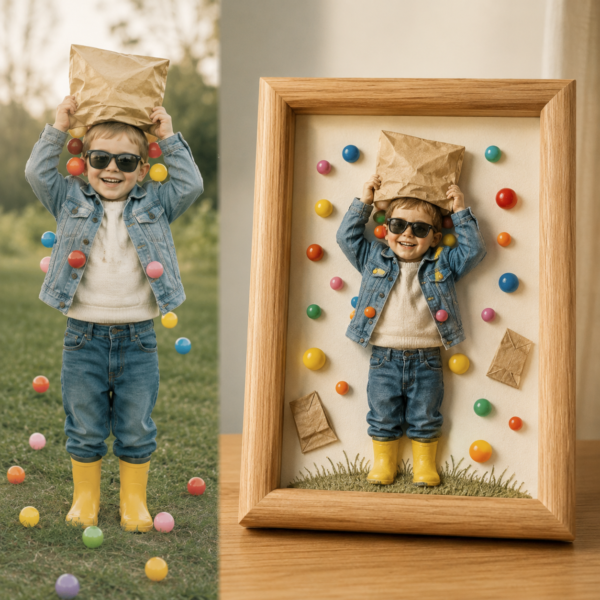
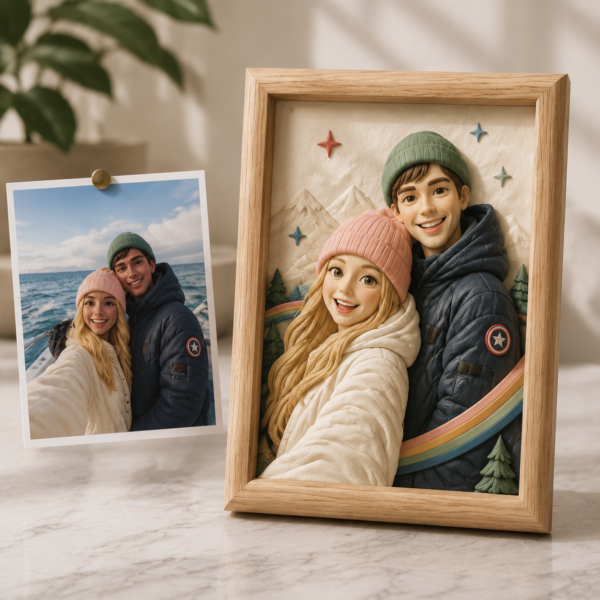
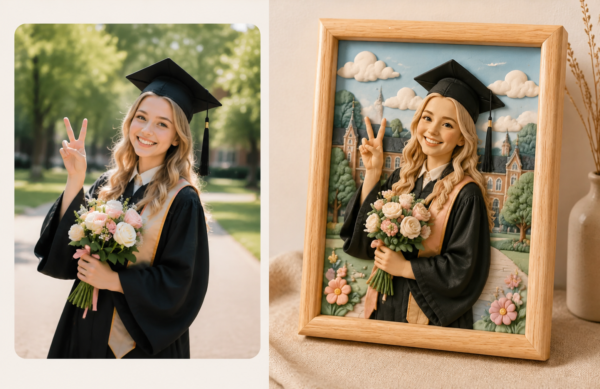
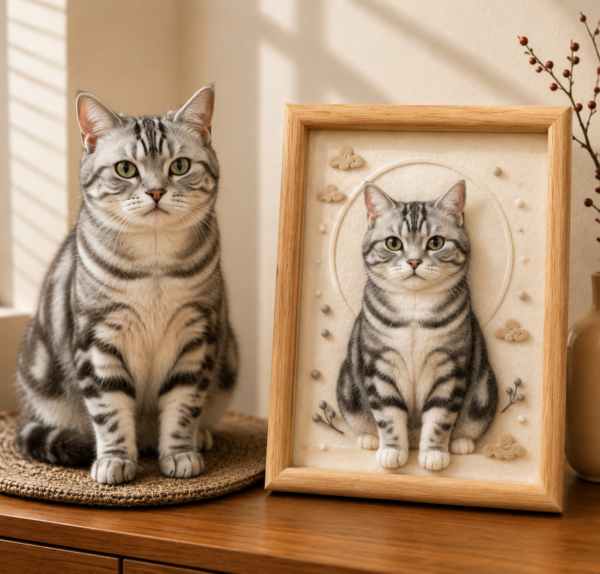
Custom 3D Relief Portrait Photo Frame From Your Photo
Turn a favorite photo into a custom 3D relief portrait frame, hand-finished in durable resin and made as a gift-ready keepsake.
Final checklist before ordering
- Choose one sharp face reference and label any supporting images.
- Describe the expression, hairstyle, clothing, and background details that must remain recognizable.
- Decide whether the portrait will be viewed on a wall, shelf, desk, or memorial display.
- Think about side lighting and the contrast around the frame.
- Confirm which details can be simplified so the composition stays clear.
A 3d printed portrait is different from a flat photo gift because the finished surface participates in the image. Depth, shadow, framing, and viewing angle all become part of the keepsake. If you want a portrait that feels more tactile than paper but more focused than a full figure, a personalized relief display may be the right direction.
Ready to explore the format? Review the custom 3D relief portrait photo frame and prepare a clear reference photo with the display details that matter most.