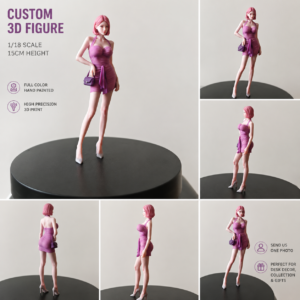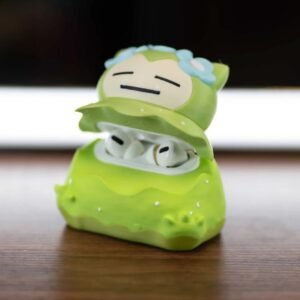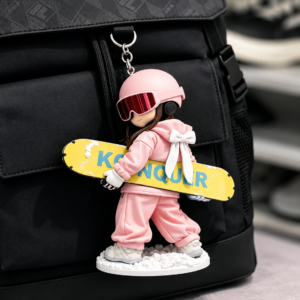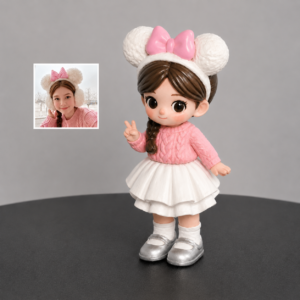
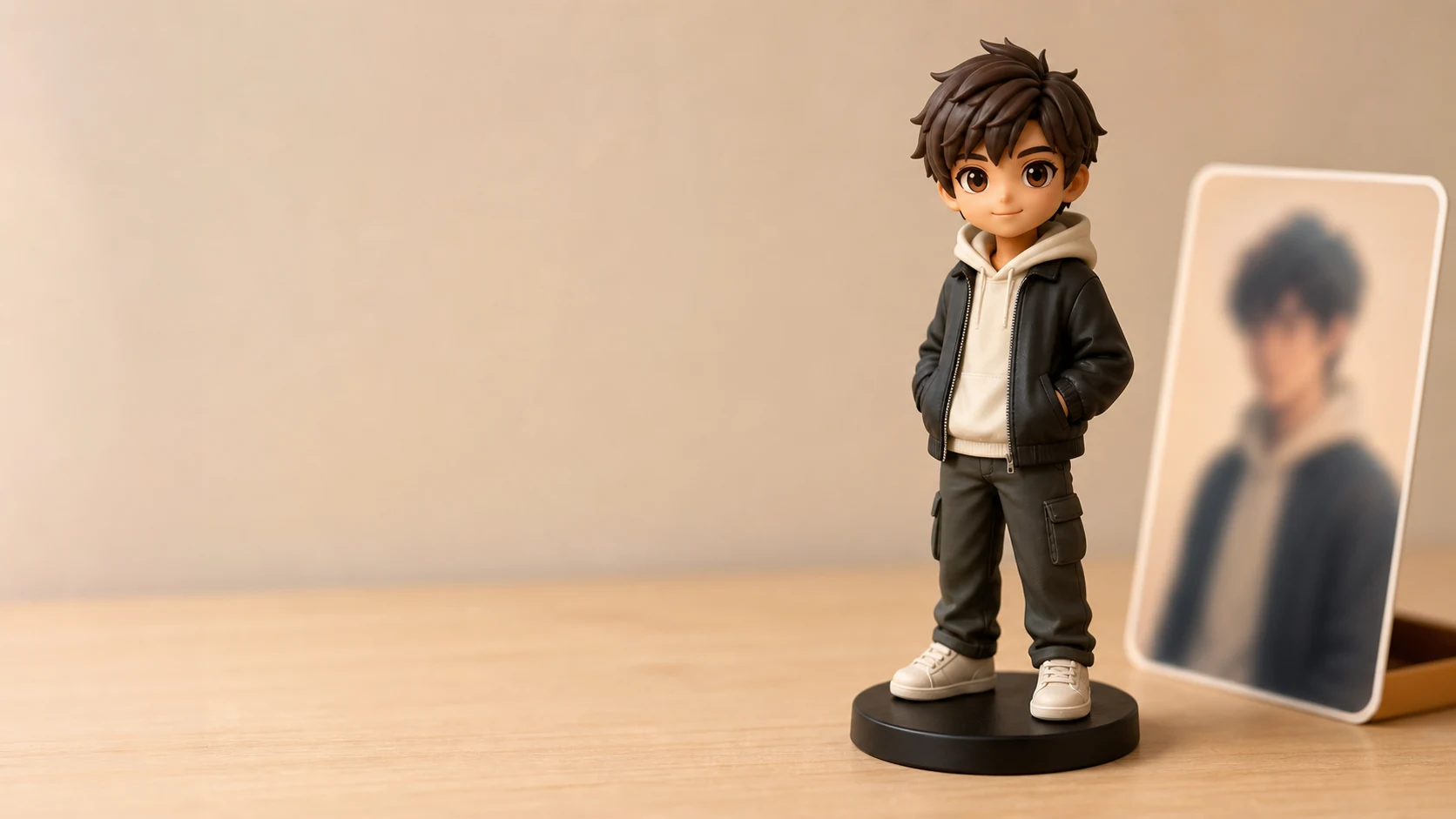
Custom anime figures turn a personal photo or an original character idea into a small display piece with expressive proportions and a clear visual identity. The best results come from making a few design decisions before production: choose the silhouette, pose, color palette, outfit details, and reference images that matter most.
This guide focuses on an anime-inspired style created from your own photo or an original character you own. It is different from a broad custom-figurine guide because the design brief needs to explain how stylization, simplification, and character ownership work together.
Start with the source: your photo or your original character
A personal photo gives the maker a starting point for face shape, hairstyle, clothing, posture, and recognizable details. An original character can begin with a sketch, avatar, model sheet, written description, or several reference images. You do not need a finished professional illustration, but you should identify which parts are essential to the character.
- For a photo: choose a sharp image with a clear face, visible hairstyle, and enough of the outfit to show its shape.
- For an original character: provide front and side views when possible, plus notes about colors, accessories, expression, and proportions.
- For either source: explain what must remain recognizable and what may be simplified for a small 3D figure.
Use material you created or have permission to use. Keeping the brief tied to your own likeness or your own character gives the project a clear creative direction and avoids asking a maker to reproduce someone else’s protected design.
Design the silhouette before adding small details
At miniature scale, the outline often communicates more than tiny surface decoration. Decide whether the figure should read as relaxed, energetic, elegant, playful, or ready for action. A strong silhouette might come from a long coat shape, a distinctive hairstyle, a raised arm, a wide stance, or a simple prop that supports the character’s story.
Ask yourself three questions: What should be visible from across a shelf? What pose feels natural for the source? Which detail would be disappointing to lose? Give those answers to the maker first. A restrained silhouette usually produces a clearer result than a crowded design with many competing accessories.
Choose a pose that suits the figure’s purpose
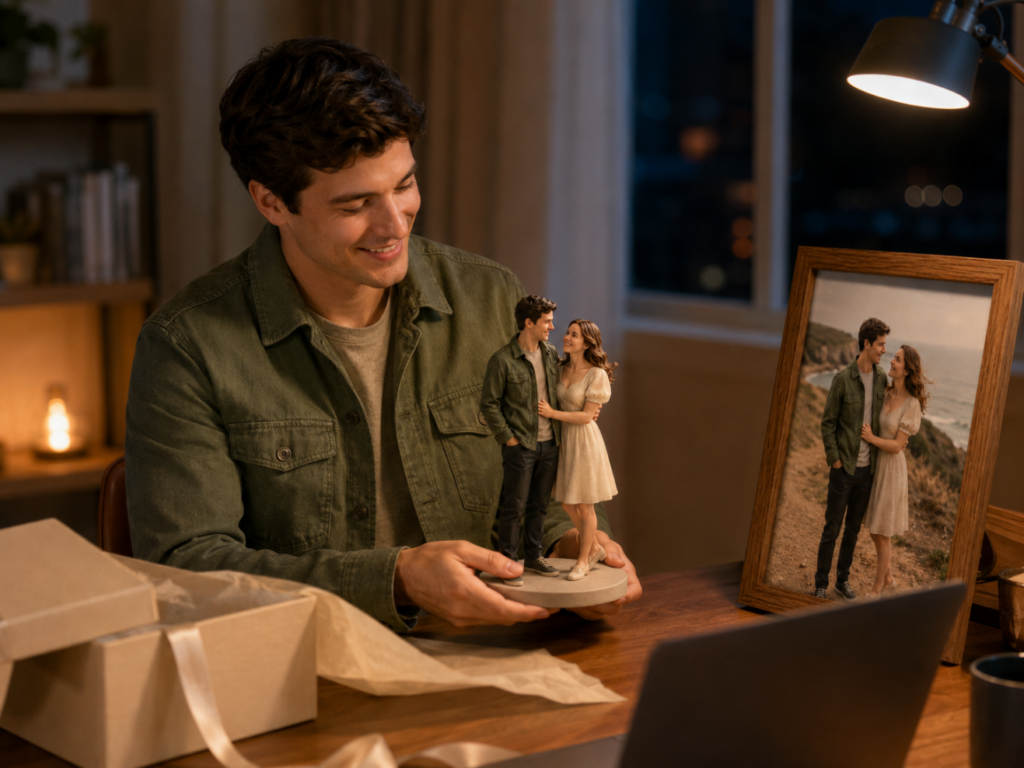
A standing pose is often the easiest to display and can work well for a desk or shelf. A walking, reaching, or lightly action-oriented pose adds movement, but it also needs a stable base and enough support for the limbs. If the figure is a gift, a gesture connected to the recipient’s personality can be more meaningful than an elaborate action scene.
Describe the pose in plain language and include a reference image if you have one. Mention hand position, head direction, expression, and whether a prop should be held, placed beside the figure, or omitted. The goal is not to dictate every sculpting step; it is to make the intended body language easy to understand.
Build a focused anime-inspired color palette
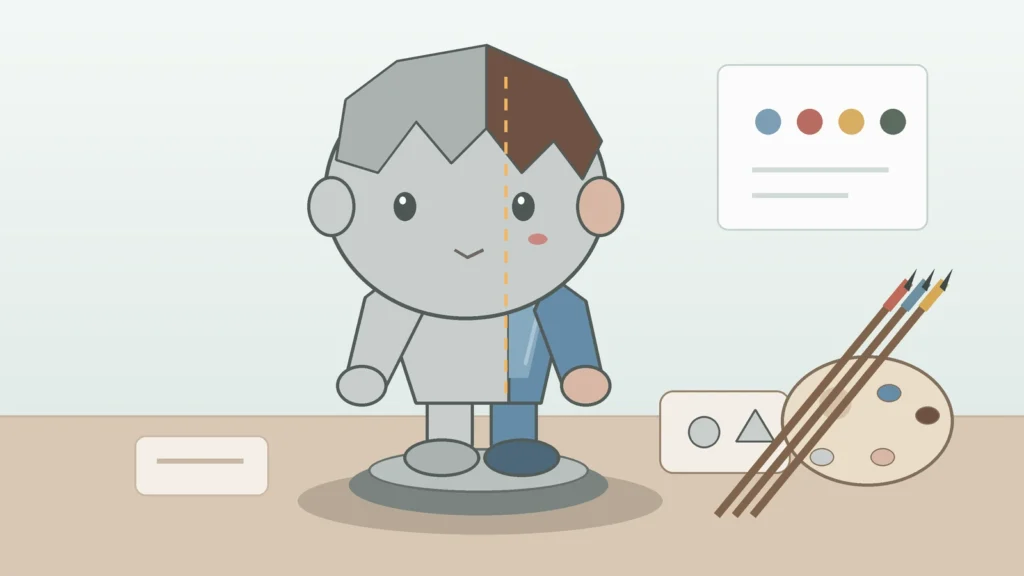
Stylized figures benefit from a small group of coordinated colors. Start with the main clothing color, one or two supporting colors, hair and skin tones, and the base or prop color. If you are working from a photo, identify the colors that make the outfit recognizable rather than trying to preserve every small pattern.
For an original character, send color references that are easy to compare: a simple palette image, plain color swatches, or clearly labeled notes. Avoid placing tiny text on the figure itself. If a detail is too small to reproduce cleanly, a broader color block or simplified shape may communicate the idea better.
Decide which outfit details deserve to stay
Outfit simplification is part of the design, not a failure to copy every seam. Prioritize the elements that define the character: a jacket shape, a distinctive collar, a hairstyle, a meaningful accessory, or a recognizable color combination. Remove clutter that will disappear at the chosen size or make the figure look visually heavy.
Share close-up references for important accessories and say whether they are essential, optional, or only inspiration. This helps the maker balance detail with strength, clean surfaces, and a readable final pose.
What to send to an anime figure maker
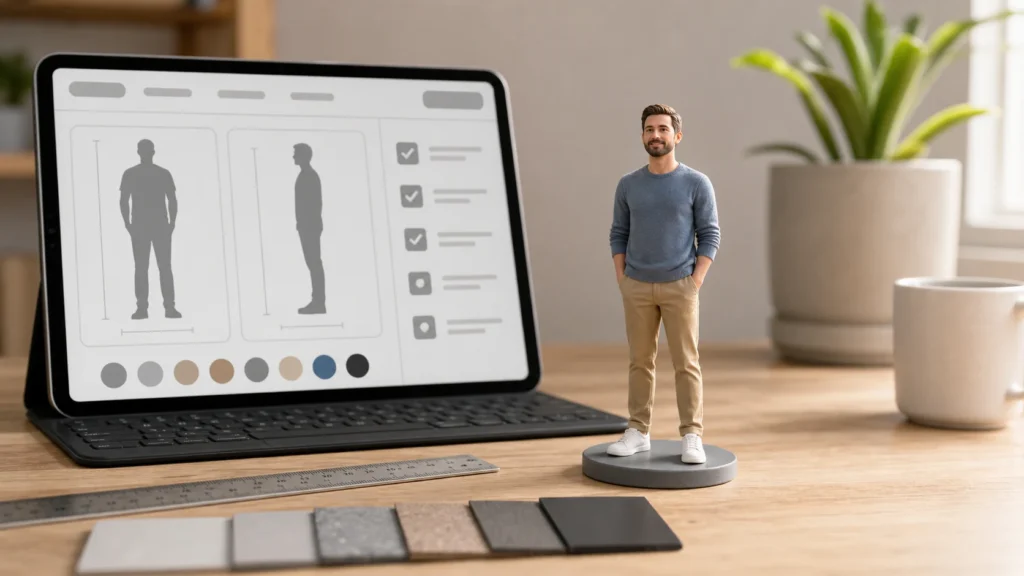
A useful order brief can be short. Include the intended size, raw or painted finish, preferred pose, expression, main colors, important outfit details, base preference, and any deadline. Add the clearest photo or original-character references you have, then list the two or three features that matter most.
GetFigmo’s custom anime mini figure from your photo or character idea is designed for this kind of brief. The product description supports photo, avatar, sketch, written character idea, pose notes, size choices, and raw or painted finish options. Share the references first so the team can confirm the practical fit and quote accurately.
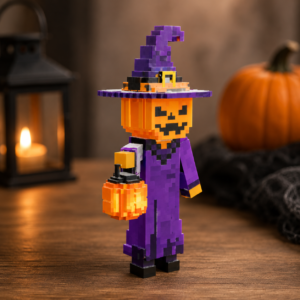
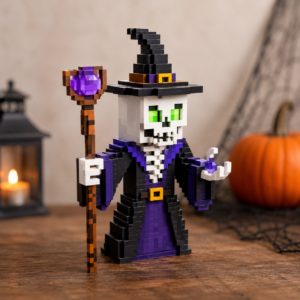
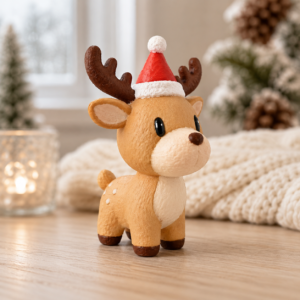
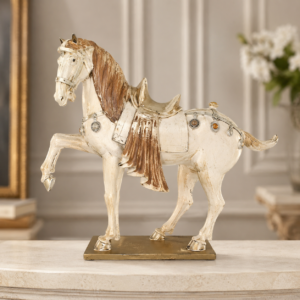
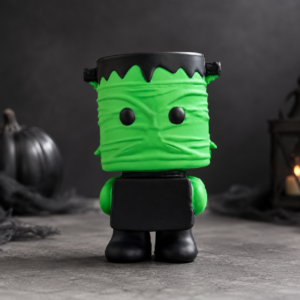
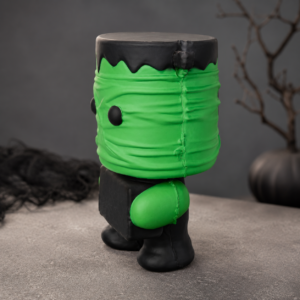
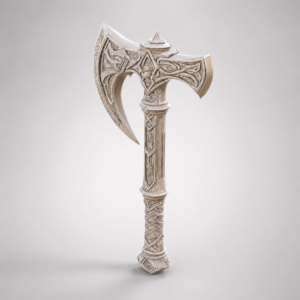
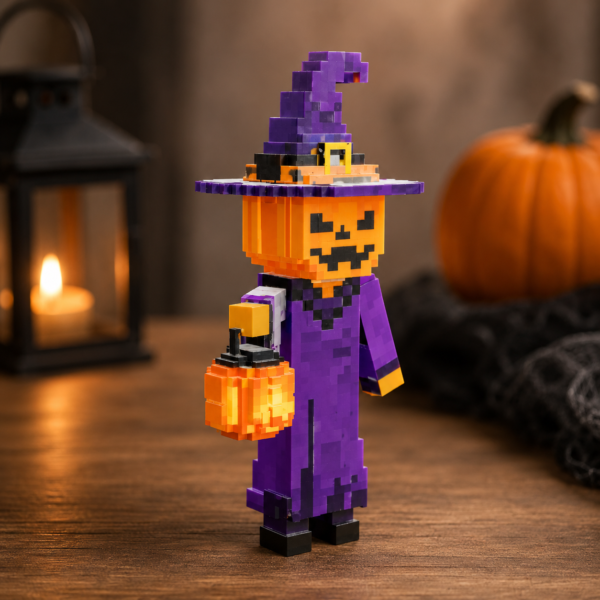
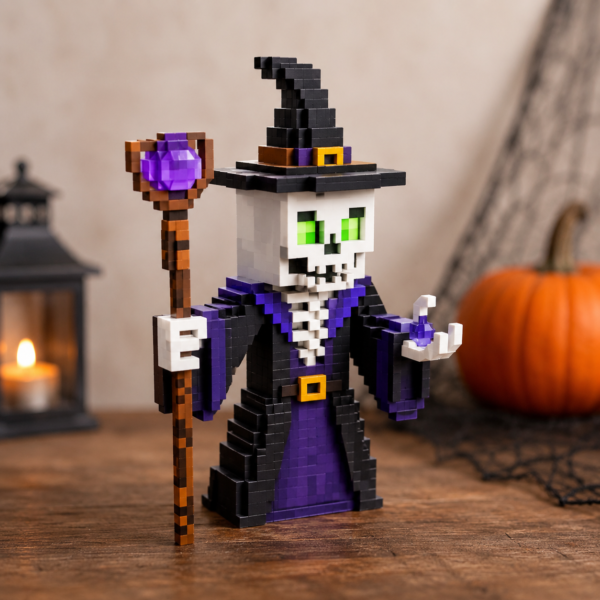
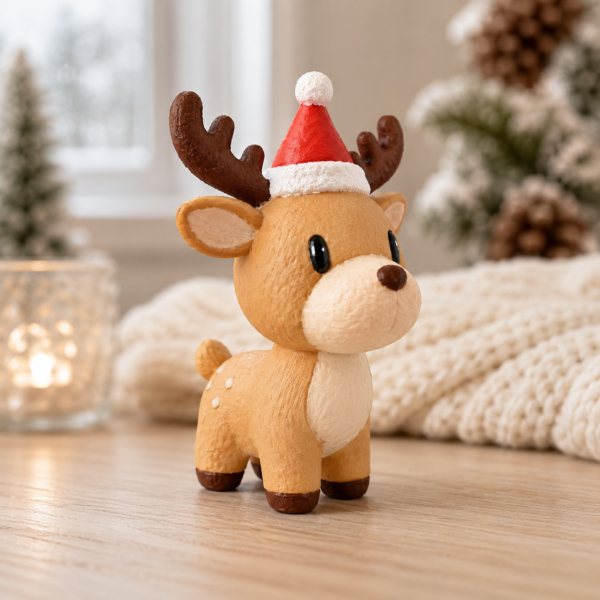
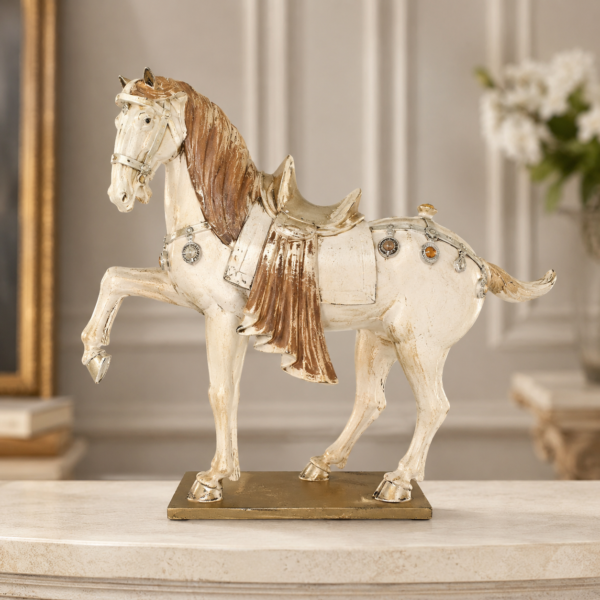
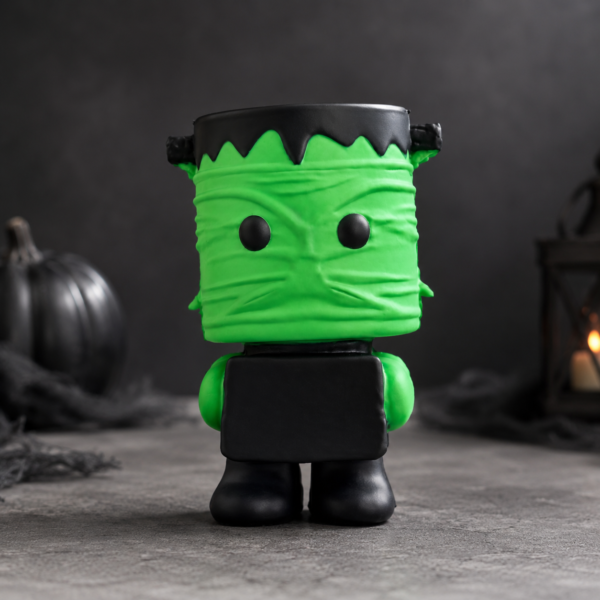
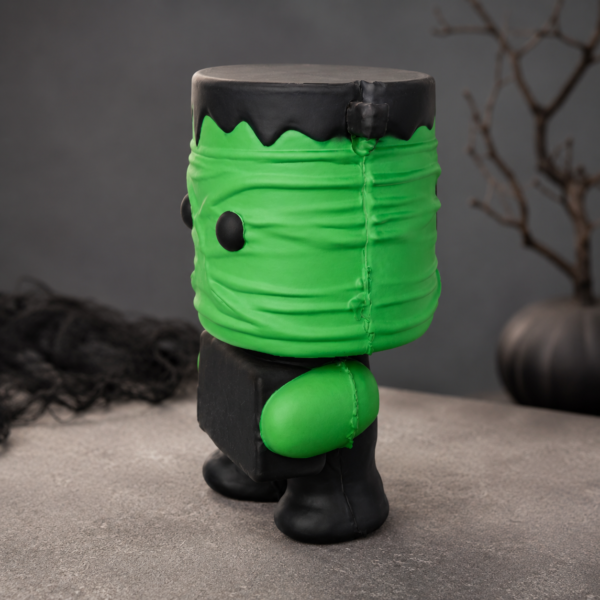
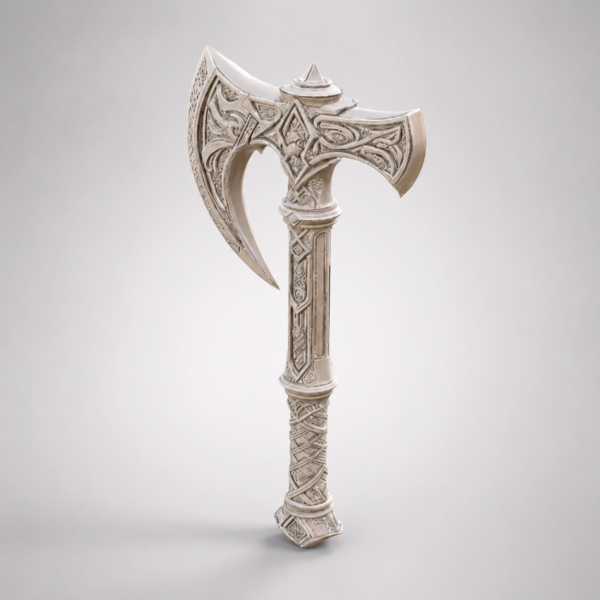
Custom Anime Mini Figure From Your Photo or Character Idea
Turn your photo or character concept into a custom anime mini figure, 3D printed in resin and optionally hand-painted.
Keep the creative brief within a clear ownership boundary
The safest and most useful brief is one based on your own likeness or an original character you own. Describe the desired mood and visual language in your own words, and provide references you are allowed to use. Figmo can create an anime-inspired interpretation without copying a protected character design, branded insignia, logo, or third-party character artwork. This boundary keeps the commission focused on your idea while leaving room for an expressive, personal result.
Final checklist before you request a quote
- Source: own photo, avatar, sketch, or original character reference.
- Priority details: the three features that must read clearly.
- Pose: body language, expression, hand position, and prop notes.
- Palette: main colors and any colors that should be simplified.
- Finish: raw for a DIY project or painted for ready display.
- Display: approximate size, base preference, and where the figure will stand.
- Rights: references and character design are yours to use.
When the brief is specific about what matters—and flexible about what can be simplified—custom made anime figures have a better chance of feeling intentional rather than overworked. Start with a clear source, choose a readable silhouette, and let the style support the personality of your photo or original character.
Ready to plan yours? Send your photo or original-character idea to GetFigmo and include the pose, colors, size, and finish you want to discuss.